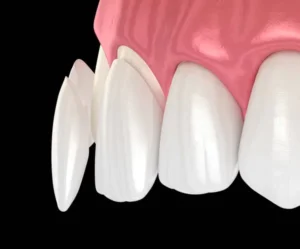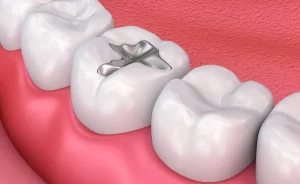
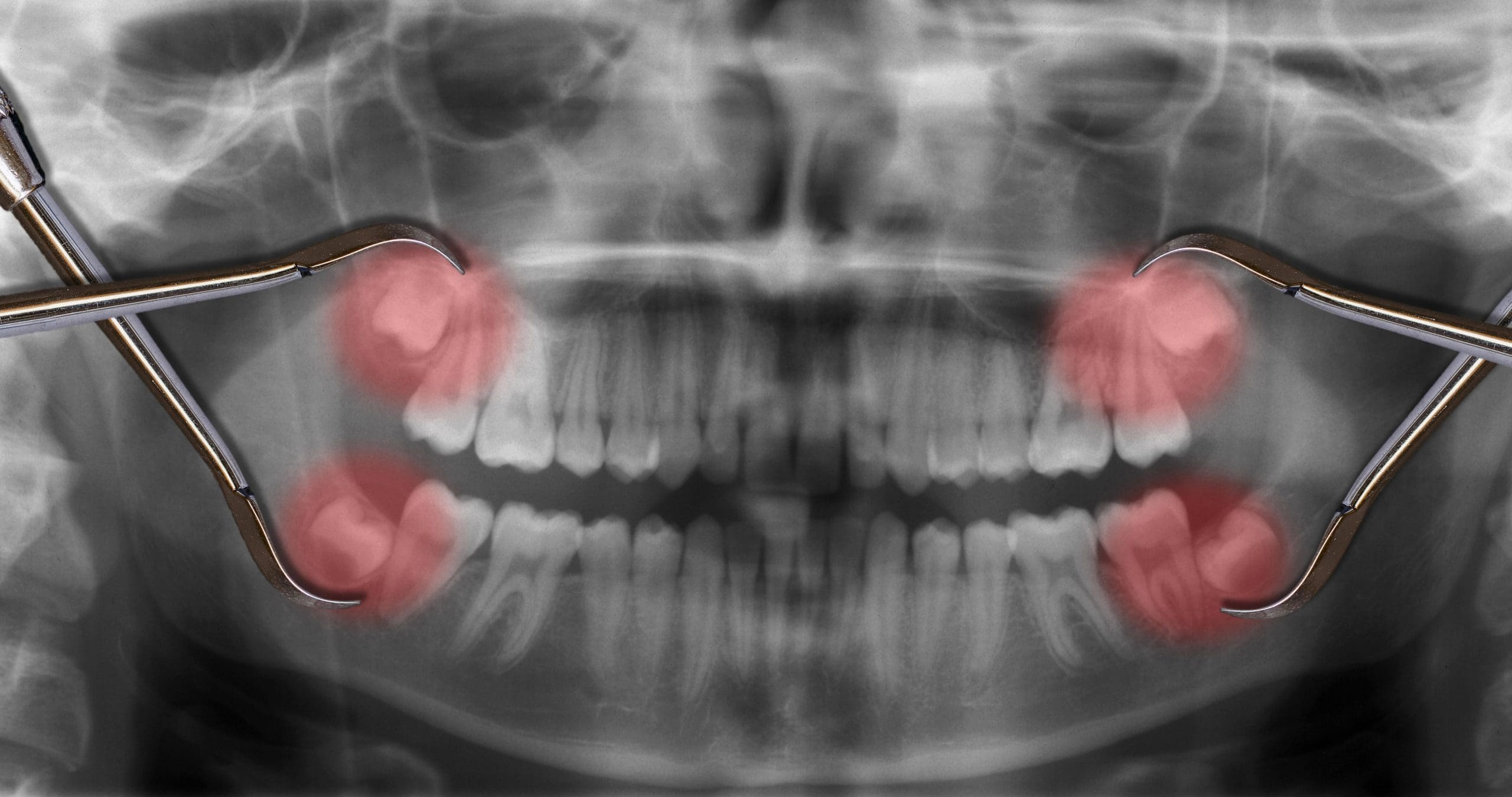
What is endodontic treatment for trauma, and how does it help in restoring teeth after injury? Endodontic treatment for trauma involves procedures that address damage to the dental pulp and surrounding tissues, aiming to preserve the natural tooth structure. By focusing on the root canal system, this treatment can effectively restore function and aesthetics to injured teeth.
Endodontic treatment for trauma: Indications for Endodontic Treatment
Endodontic treatment for trauma is often necessary when a tooth has been severely damaged due to an accident or injury. This type of treatment is indicated when the dental pulp, which contains nerves and blood vessels, becomes exposed or infected. Such exposure can lead to significant pain and potential tooth loss if not addressed promptly. The primary goal of endodontic treatment in these cases is to preserve the natural tooth structure and prevent further complications.
In some instances, endodontic treatment for trauma may be required even if the tooth appears intact externally. Internal damage, such as pulp necrosis or root fractures, can occur without visible signs. In these situations, advanced diagnostic tools and techniques, such as those discussed in our article on Endodontic Treatment with Microscope: Precision Care for Complex Cases, can be crucial in identifying the extent of the injury and determining the appropriate course of action.
Indications for Tooth Extraction
In the realm of endodontic treatment for trauma, understanding when a tooth extraction is necessary is crucial. Teeth that have suffered severe damage or infection may not be salvageable through conventional endodontic procedures. In such cases, extraction becomes the most viable option to prevent further complications. Factors such as extensive root fractures, significant bone loss, or irreparable damage to the tooth structure often necessitate this course of action.
While endodontic treatment for trauma aims to preserve natural teeth whenever possible, there are situations where extraction is unavoidable. For instance, if a tooth is beyond repair due to advanced decay or if it poses a risk to surrounding teeth and tissues, removal may be the best solution. For those seeking more information on related procedures, the Yorba Linda Endodontic Procedures page offers additional insights into managing dental trauma effectively.
Pros of Endodontic Treatment
Endodontic treatment for trauma offers several advantages when it comes to restoring teeth after an injury. This specialized dental procedure can effectively preserve the natural tooth, preventing the need for extraction and maintaining the integrity of the patient’s smile. By addressing the internal damage caused by trauma, endodontic treatment helps alleviate pain and discomfort, promoting faster recovery and long-term oral health. Additionally, this treatment can enhance the functionality of the affected tooth, allowing individuals to resume normal activities without the worry of further complications.
Cons of Endodontic Treatment
Endodontic treatment for trauma, while effective in saving injured teeth, does come with certain drawbacks. One of the primary concerns is the potential for tooth discoloration, which can occur after the procedure. Additionally, there is a risk of infection if the treatment is not performed correctly or if follow-up care is neglected. Some patients may also experience discomfort or sensitivity in the treated tooth, which can persist for some time. It’s important to weigh these factors when considering endodontic treatment for trauma. For more information on dental care, visit Dentique, your trusted Yorba Linda Dentist.
Pros of Tooth Extraction
Tooth extraction can be a beneficial option in certain cases of dental trauma, offering several advantages. It can provide immediate relief from pain and discomfort caused by severely damaged or infected teeth. Removing a problematic tooth can also prevent the spread of infection to surrounding teeth and tissues, promoting overall oral health. Additionally, extraction can eliminate the risk of further complications that might arise from a compromised tooth, such as abscesses or misalignment. In some situations, extraction may pave the way for more effective dental solutions, ensuring a healthier and more functional oral environment.
Cons of Tooth Extraction
Tooth extraction, while sometimes necessary, can have several drawbacks, especially when compared to endodontic treatment for trauma. Removing a tooth can lead to a gap that may cause surrounding teeth to shift, potentially affecting bite alignment and leading to further dental issues. Additionally, tooth extraction can result in bone loss in the jaw over time, which might alter facial structure and aesthetics. Unlike endodontic treatment for trauma, which aims to preserve the natural tooth, extraction eliminates the tooth entirely, often necessitating additional procedures like implants or bridges to restore function and appearance.
Cost Comparison: Endodontics vs Extraction
When considering endodontic treatment for trauma, understanding the cost implications is crucial. Endodontic treatment, often referred to as a root canal, typically involves preserving the natural tooth, which can be more cost-effective in the long run compared to extraction. While the initial cost of extraction might seem lower, it often leads to additional expenses such as dental implants or bridges to replace the missing tooth. In contrast, endodontic treatment for trauma focuses on saving the tooth, potentially reducing the need for further restorative procedures.
Recovery Time and Aftercare
Endodontic treatment for trauma is a crucial step in restoring teeth after an injury, and understanding the recovery time and aftercare is essential for optimal healing. Generally, recovery time can vary depending on the severity of the trauma and the specific endodontic procedure performed. Aftercare typically involves regular monitoring by a dental professional to ensure proper healing and to address any potential complications. It’s important to follow any guidelines provided by your dentist to support the recovery process and maintain oral health following endodontic treatment for trauma.
Long-term Oral Health Implications
Endodontic treatment for trauma plays a crucial role in maintaining long-term oral health by addressing the underlying issues caused by dental injuries. When a tooth is damaged due to trauma, it can lead to complications such as infection or tooth loss if not properly treated. By undergoing endodontic treatment, individuals can preserve the natural tooth structure, which is essential for maintaining proper oral function and aesthetics. This treatment helps prevent further deterioration of the affected tooth and supports overall dental health, reducing the risk of more extensive dental problems in the future.
Conclusion
Endodontic treatment for trauma can effectively restore injured teeth; for more information, call us at (714) 786-8693 or read our reviews on Google Maps.