

Overview
What Is Restorative Dentistry?
Restorative dentistry repairs damaged or decayed teeth and replaces missing teeth to improve oral health, function, and appearance. Restorative treatment may involve a simple filling or a more advanced procedure, depending on your teeth’s condition.
At Dentique, these services address concerns such as tooth decay, cracked teeth, worn enamel, damaged dental work, and tooth loss. Timely treatment can help restore comfortable chewing, protect remaining tooth structure, and maintain a healthy bite.
Personalized Care
Restorative Dental Treatments at Dentique
Explore treatment options to repair damaged teeth, protect your smile, and replace missing teeth with a plan tailored to your needs.
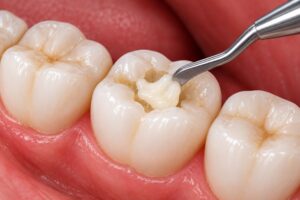
Dental Fillings for Tooth Decay
Dental fillings repair cavities by removing decayed tissue and restoring the affected area. Tooth-colored composite fillings blend with natural enamel, making them a discreet option for many patients. Your dentist will recommend a suitable material based on the cavity’s size, location, and your individual needs.
Treating tooth decay early may help preserve more natural tooth structure and reduce the likelihood of needing more extensive restorative care.
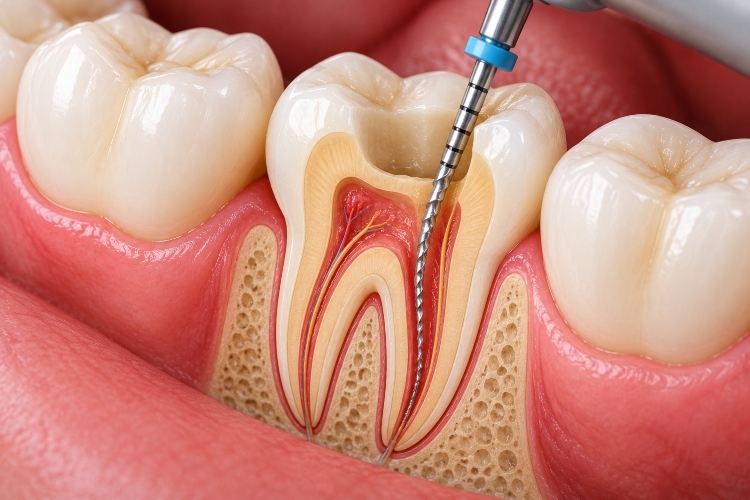
Root Canal Treatment
Root canal treatment can save a natural tooth when the pulp inside it becomes inflamed or infected. The procedure removes the affected tissue, cleans the inside of the tooth, and seals it. A dental crown may be recommended afterward to protect a weakened tooth and restore its function.
Your dentist will evaluate the tooth and explain whether root canal treatment or another option is appropriate.
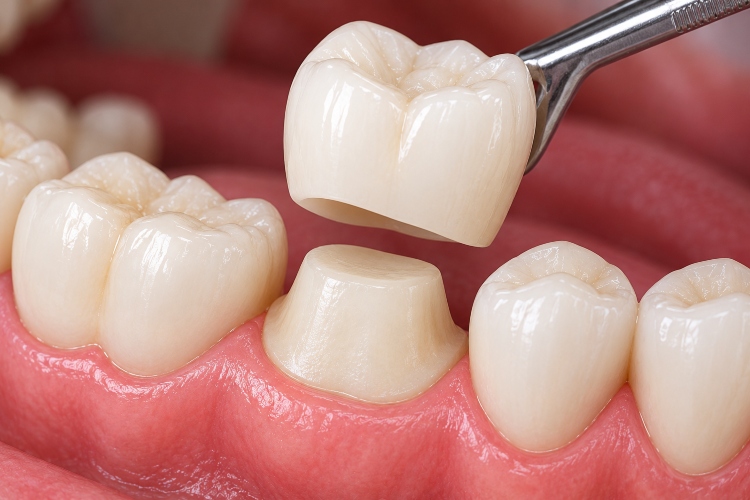
Dental Crowns and Bridges
Dental crowns cover damaged or weakened teeth, restoring their shape, strength, and appearance. Preparing a tooth for a crown typically involves reshaping it as needed, taking an impression or digital scan, and fitting a custom restoration.
Dental bridges replace one or more missing teeth using an artificial tooth supported by adjacent teeth or other appropriate supports. Both treatments can improve chewing function and smile appearance.
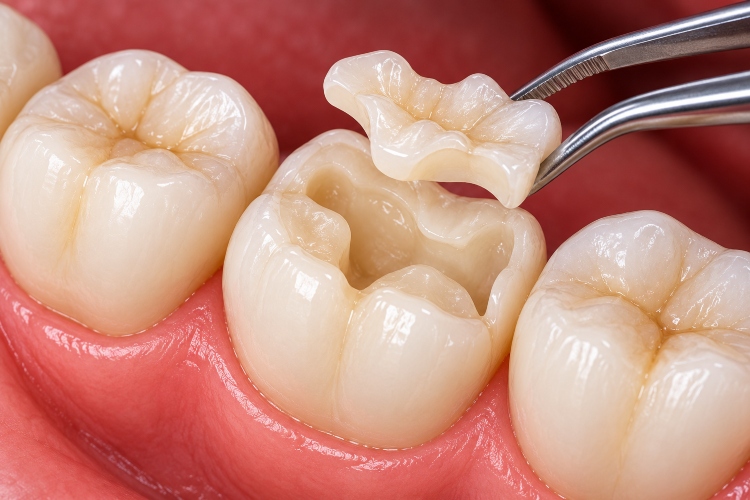
Inlays and Onlays
Inlays and onlays repair teeth with more damage than a typical filling can address but that may not require a full crown. An inlay fits within a tooth’s grooves, while an onlay covers one or more cusps. These custom restorations can preserve more natural tooth structure while restoring strength and function.
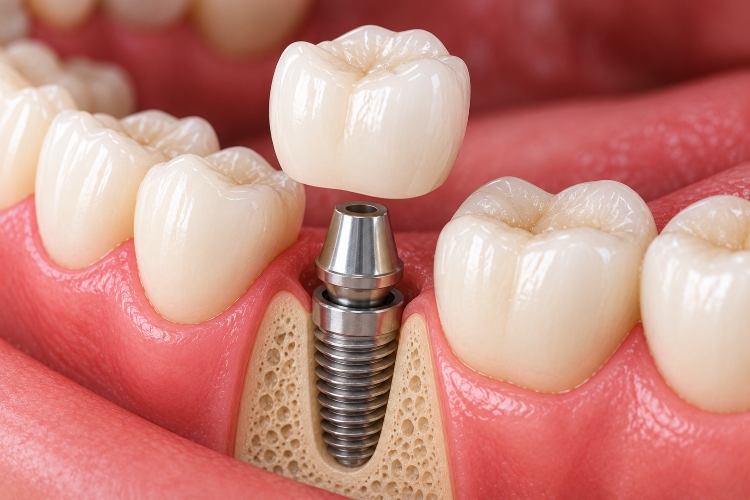
Dental Implants for Missing Teeth
Dental implants for missing teeth use an implant placed in the jawbone to support a replacement tooth. After healing, the implant can support a custom crown or another suitable restoration.
Dental implant treatment can restore chewing function and offer a stable alternative to some traditional tooth replacement options. Candidacy depends on gum health, jawbone condition, medical history, and individual goals.
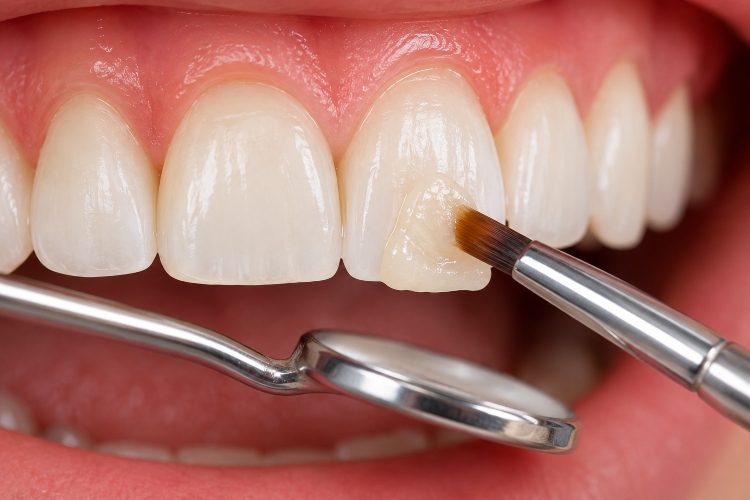
Composite Bonding
Composite bonding uses tooth-colored resin to repair certain chips, small fractures, and minor cosmetic imperfections. The material is shaped to match the surrounding tooth and hardened with a special light. Bonding can often be completed in one visit, while more extensive damage may require a crown or another restoration.
Is Restorative Care Right for You?
Who Needs Restorative Dentistry?
You may benefit from restorative dental treatments if you have cavities, cracked teeth, worn enamel, missing teeth, or older restorations that need attention. Schedule an examination if damaged teeth cause sensitivity, discomfort when chewing, or changes in your bite.
Your dentist will assess the extent of the damage, your gum health, and how much healthy tooth structure remains. This evaluation helps determine the right restorative treatment for your needs.
Your Visit
What to Expect During Restorative Treatment
The process depends on the procedure, the condition of your teeth, and your treatment goals. Dentique will explain the recommended steps and what to expect before treatment begins.
STEP 01
Examination
Your dentist examines your teeth and gums and may recommend diagnostic imaging to understand the problem.
STEP 02
Treatment Planning
Your dentist reviews suitable options, the expected timeline, and costs so you can make an informed decision.
STEP 03
Restoration and Care
Treatment may include removing decay, preparing the tooth, and placing the restoration. Follow aftercare instructions and maintain routine checkups.
Why Dentique
Restorative Dentistry in Yorba Linda
Dentique Dental Studio focuses on personalized treatment planning, careful attention to detail, and patient comfort. Dr. Cheryl Kim evaluates each patient’s needs and discusses suitable options to restore function while protecting long-term oral health.
Personalized Care
Treatment recommendations reflect your oral health, concerns, and goals.
Modern Dentistry
Appropriate technology and careful planning support diagnosis and restorative treatment.
Convenient Location
Located on Bastanchury Road in Yorba Linda, Dentique welcomes patients from Brea, Placentia, and Anaheim Hills.
Take the Next Step
Schedule Your Restorative Dentistry Appointment
Damaged or missing teeth can affect your comfort, confidence, and ability to chew. Dentique Dental Studio offers personalized restorative dentistry in Yorba Linda to help you understand your options and work toward a healthier smile.
Patient Resources
Frequently Asked Questions
Learn more about restorative dental treatments, tooth replacement options, and caring for your dental restorations.
What are the most common restorative dental treatments?
Common treatments include fillings, dental crowns, bridges, inlays, onlays, root canal treatment, and dental implants. The right option depends on whether the concern involves tooth decay, structural damage, infection, or missing teeth. Your dentist can evaluate your oral health and explain the benefits and limitations of appropriate treatments.
Are dental implants better than bridges?
Neither option is best for every patient. Implants are supported by the jawbone, while traditional bridges rely on adjacent teeth for support. Your oral health, bone condition, treatment goals, and maintenance preferences help determine which tooth replacement options are suitable.
How long do dental restorations last?
Restoration longevity varies by material, location, oral hygiene, bite forces, and maintenance. Regular dental visits and good home care help protect fillings, crowns, bridges, and implants. Your dentist can explain the maintenance and care your specific restoration requires.