
A dental emergency can happen without warning. A sudden toothache, a broken tooth, or swelling around your gums can leave you wondering what to do next. Knowing how to respond can help protect your teeth, reduce discomfort, and prevent a dental problem from worsening.
If you experience a dental emergency, first assess your symptoms and contact a dentist as soon as possible. Some problems require immediate dental treatment, while others may need emergency medical care.
At Dentique Dental Studio in Yorba Linda, CA, we believe patients deserve clear information. This guide explains how to spot common dental emergencies, what to do before your visit, and when to get urgent care.
Step 1: Determine Whether You Have a Dental Emergency
Common dental emergencies include:
- Severe or persistent tooth pain
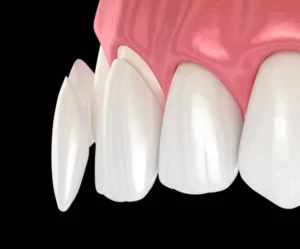
- A chipped, cracked, or broken tooth
- A knocked-out permanent tooth
- A loose or displaced permanent tooth following an injury
- Facial or gum swelling that may indicate an infection
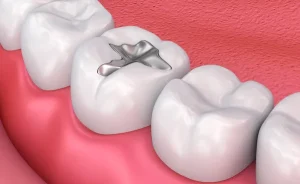
- A lost dental crown or filling accompanied by pain or sensitivity
- Bleeding in the mouth that does not stop with gentle pressure
- Dental injuries involving the lips, tongue, or other soft tissues
Not every dental problem requires an immediate appointment. However, don’t ignore severe pain, swelling, or a dental injury just because symptoms temporarily improve.
Seek emergency medical care immediately if you have difficulty breathing or swallowing, rapidly spreading facial or neck swelling, uncontrolled bleeding, or a serious injury to your face or jaw.
Call 911 for life-threatening symptoms.
Step 2: Contact a Dentist as Soon as Possible
Once you recognize a possible dental emergency, call your dental office and explain what happened. Describe your symptoms, when they started, and whether you have swelling, bleeding, or significant pain.
When you call, be prepared to share:
- Which tooth or area of your mouth is affected
- Whether the pain is mild, moderate, or severe
- Whether you have swelling, fever, or bleeding
- Whether a tooth is broken, loose, or completely knocked out
- Whether the problem followed an accident or injury
If your regular dental office is closed, look for an appropriate emergency dental service.
Step 3: Take the Right Steps for Your Specific Emergency
The appropriate response depends on the type of dental problem you are experiencing. These temporary measures may help protect the affected area while you arrange professional care.
What Should You Do for a Severe Toothache?
A severe toothache may be caused by tooth decay, a cracked tooth, inflammation inside the tooth, or an infection.
Until you can see a dentist:
- Gently rinse your mouth with warm water.
- Carefully floss around the affected tooth to remove trapped food if you can do so without causing further pain or injury.
- Apply a cold compress to the outside of your cheek if swelling is present.
- Consider an over-the-counter pain reliever as directed on the label, if it is safe for you to take.
Do not place aspirin directly on your tooth or gums, as this can damage the tissue. Pain relief may help temporarily, but it will not resolve the underlying cause.
What Should You Do if You Chip or Break a Tooth?
A chipped or broken tooth may expose sensitive inner layers, create sharp edges, or develop a deeper fracture that is not visible from the surface.
If you break a tooth:
- Gently rinse your mouth with warm water.
- Save any tooth fragments you can find and bring them to your appointment.
- Apply a cold compress to your cheek to help limit swelling.
- Avoid chewing on the affected side and stay away from hard foods.
Contact your dentist promptly, especially if the tooth is painful, has a large fracture, or has sharp edges that injure your mouth.
What Should You Do if a Permanent Tooth Gets Knocked Out?
A knocked-out permanent tooth is a time-sensitive dental emergency. Seeking professional care immediately can improve your chances of saving it.
Follow these steps:
- Find the tooth and pick it up by the crown (the visible chewing surface).
- Avoid touching or scrubbing the root.
- If the tooth is dirty, gently rinse it with milk or saline. Do not scrape it or remove attached tissue.
- If you can easily reposition the tooth in its socket, do so gently without forcing it. Otherwise, keep it moist in milk or an appropriate tooth-preservation solution.
- Contact a dentist immediately and seek care without delay.
What Should You Do if You Have Swelling or a Possible Dental Infection?
Swelling around a tooth or in your gums may indicate an infection, including a dental abscess. Other symptoms can include throbbing pain, a bad taste in your mouth, tenderness when biting, or fever.
Do not attempt to pop or drain a swollen area yourself, and do not take leftover antibiotics. Make a dental appointment immediately.
Facial swelling accompanied by fever needs urgent evaluation. Difficulty breathing or swallowing, or significant or rapidly spreading swelling, requires emergency medical care. A dental infection can become serious even if the pain temporarily decreases.
What Should You Do if a Crown or Filling Falls Out?
A lost crown or filling can expose the underlying tooth, making it sensitive to temperature, pressure, or food.
If this happens, keep the area clean, avoid chewing on that side, and contact your dentist for advice. If the crown comes off intact, save it and bring it to your appointment.
Do not use household glue or try to repair it yourself. Your dentist will evaluate the tooth and decide whether to replace the restoration or provide additional treatment.

Step 4: Avoid Common Dental Emergency Mistakes
When you are experiencing pain or dealing with an injury, it can be tempting to try a quick fix. However, some home remedies can make the situation worse.
Avoid these common mistakes:
- Ignoring persistent pain: Tooth pain can signal decay, a fracture, or an infection that needs treatment.
- Applying aspirin directly to the gums: This can irritate or damage soft tissue.
- Using household glue on a crown or tooth: These products are not designed for use in the mouth.
- Chewing on an injured tooth: Pressure can worsen a fracture or increase discomfort.
- Delaying care because the pain disappears: Some dental problems can continue progressing even when symptoms temporarily improve.
- Trying to drain an abscess yourself: This can injure tissue and delay appropriate treatment.
Step 5: Know What to Expect at Your Emergency Dental Appointment
Your dentist may examine your teeth and gums, assess the affected area, and take dental X-rays when needed. The recommended treatment depends on the problem’s severity and your tooth’s condition.
Depending on your symptoms, treatment may include:
- Repairing a chipped or broken tooth
- Replacing a lost filling or dental crown
- Treating an infected tooth with root canal therapy when appropriate
- Addressing a dental abscess or other infection
- Stabilizing an injured tooth
- Recommending extraction if a tooth cannot be saved
Not every dental emergency requires the same treatment; the exact plan depends on your needs.
When Should You Visit an Emergency Dentist in Yorba Linda?
Contact a dentist promptly if you have severe tooth pain, a broken or knocked-out permanent tooth, a damaged restoration with significant pain, or swelling that may indicate infection.
At Dentique Dental Studio, our focus is on personalized care, patient comfort, and helping patients understand their treatment options. If you have a dental problem, call our office to discuss your symptoms and decide on next steps.
Frequently Asked Questions About Dental Emergencies
1. What counts as a dental emergency?
Problems that require prompt attention, such as severe tooth pain, a knocked-out permanent tooth, a significant fracture, uncontrolled oral bleeding, or swelling. Difficulty breathing or swallowing and serious facial injuries require emergency medical care.
2. Should I go to the emergency room or a dentist for a toothache?
A dentist is generally the appropriate first contact for a toothache because dental treatment addresses the underlying cause.
Go to an emergency department for difficulty breathing or swallowing, significant facial or neck swelling, uncontrolled bleeding, or a serious injury. Do not delay medical care for potentially life-threatening symptoms.
3. How can I relieve tooth pain before seeing a dentist?
Gently rinse your mouth with warm water, carefully remove trapped food with floss if possible, and use a cold compress for swelling. An over-the-counter pain reliever may help if it is safe for you and used as directed. Avoid placing aspirin directly on your gums, and arrange dental care to address the cause.
4. Is a swollen face from a tooth infection an emergency?
Facial swelling can indicate a spreading dental infection, so seek urgent evaluation. If swelling is significant or spreading rapidly, or if you have trouble breathing or swallowing, seek emergency medical care. Fever with facial swelling also warrants urgent evaluation, particularly if you cannot reach a dentist promptly.
5. Can an emergency dentist save a broken tooth?
In many cases, a dentist can repair a broken tooth, but the outcome depends on the location and extent of the damage. Treatment may involve bonding, a filling, a crown, or root canal therapy. A prompt examination helps your dentist assess the fracture and decide whether they can restore the tooth.
Get Help for a Dental Emergency at Dentique Dental Studio
Call (714) 986-1699 or visit Dentique Dental Studio. Learn more about our dental services and request an appointment.
This article is for general educational purposes and does not replace professional dental or medical advice. If you are experiencing a potentially life-threatening emergency, call 911.