
What Is Periodontal Treatment?
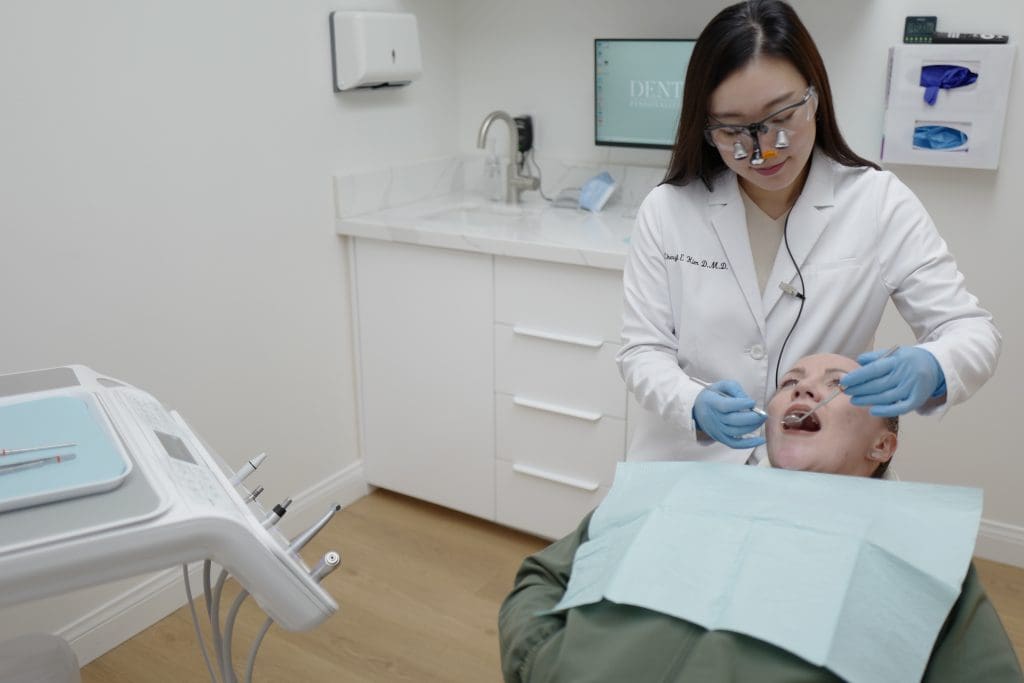
Periodontal treatment focuses on preventing, diagnosing, and managing conditions affecting the gums and supporting structures of your teeth.
The most common condition is gum disease, which develops when bacteria and plaque accumulate around the gumline. Without proper treatment, inflammation can progress and damage the tissues and bone that hold your teeth in place.
There are two primary stages of gum disease:
Gingivitis
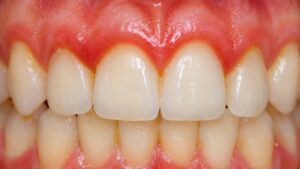
Gingivitis is the earliest stage of gum disease. It typically causes redness, swelling, and bleeding when you brush or floss. At this stage, the condition is generally reversible with professional dental care and improved oral hygiene.
Periodontitis
Periodontitis is a more advanced form of gum disease. As inflammation progresses, pockets can form between the teeth and gums, allowing bacteria to accumulate below the gumline. Over time, this can lead to gum recession, bone loss, loose teeth, and eventual tooth loss.
Although periodontitis damage can’t always be reversed, appropriate periodontal treatment can help control the disease and protect your remaining oral structures.
Signs You May Need Gum Disease Treatment
Gum disease often develops gradually, and symptoms may be easy to overlook. Recognizing changes in your gums can help you seek treatment before the condition worsens.
Common warning signs include:
- Bleeding gums when brushing or flossing
- Red, swollen, or tender gums
- Persistent bad breath
- Receding gums or teeth appearing longer
- Sensitivity around the gumline
- Loose or shifting teeth
- Pain or discomfort when chewing
- Pus or swelling around the teeth
Bleeding gums are not considered normal, even when there is little or no discomfort. If you notice these symptoms, scheduling a periodontal evaluation can help identify the cause.
Our Periodontal Treatment Options in Yorba Linda
At Dentique Dental Studio, periodontal care begins with understanding the condition of your gums and supporting bone. Treatment recommendations depend on the severity of gum disease, existing damage, and your overall oral health.
Gum Disease Treatment
Gum disease treatment aims to reduce bacterial buildup, manage inflammation, and prevent further damage to the tissues
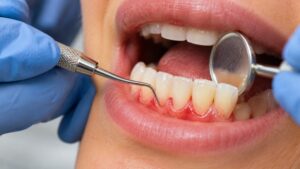
supporting your teeth.
For patients with early-stage gum disease, professional cleanings and improved home care may be sufficient. More advanced cases
may require deeper cleaning procedures or additional periodontal therapy.
Our team develops individualized treatment recommendations to help patients manage gum disease and maintain healthier gums.
Scaling and Root Planing
Scaling and root planing is a nonsurgical deep-cleaning procedure commonly recommended for patients with periodontitis.
During treatment, we remove plaque and tartar from below the gumline. We then carefully clean and smooth the tooth roots to reduce bacterial accumulation and support gum healing.
Scaling and root planing can help:
- Reduce bacteria beneath the gums
- Improve gum inflammation
- Encourage healthier gum attachment
- Reduce periodontal pocket depths
- Help slow the progression of gum disease
Some patients require multiple appointments depending on the extent of their condition.
Advanced Periodontal Care
When nonsurgical treatment is insufficient, advanced periodontal procedures may be recommended.
Depending on the condition, these treatments can include periodontal pocket reduction, gum grafting, or regenerative procedures designed to address damaged supporting tissues.
Not every patient requires surgery. If advanced treatment is necessary, our team will explain the available options and whether specialist care is appropriate.
Benefits of Periodontal Treatment
Treating gum disease helps preserve your natural teeth and maintain comfortable oral function.
Professional periodontal care may provide several benefits:
- Healthier gums: Reduce inflammation, tenderness, and bleeding.
- Tooth preservation: Helps protect the tissues and bone supporting your teeth.
- Fresher breath: Address bacterial buildup contributing to persistent bad breath.
- Improved comfort: Reduce irritation and discomfort associated with gum disease.
- Long-term oral health: Helps prevent further periodontal damage through ongoing maintenance.
Periodontal treatment is most effective when combined with consistent home care and regular dental visits.
What to Expect During Your Periodontal Evaluation
Your appointment at Dentique Dental Studio begins with a comprehensive examination of your gums, teeth, and supporting structures.
Dr. Cheryl Kim and our dental team may evaluate:
- Gum health: Checking for redness, swelling, recession, and bleeding.
- Periodontal pockets: Measuring the spaces between your gums and teeth to identify potential disease.
- Bone support: Reviewing dental X-rays when necessary to assess bone levels.
- Treatment needs: Determining whether preventive care, scaling and root planing, or additional periodontal treatment is appropriate.
We’ll explain our findings and discuss recommended next steps so you can make informed decisions about your oral health.
 Maintaining Healthy Gums After Treatment
Successful periodontal care doesn’t end after your initial treatment. Ongoing maintenance helps reduce the likelihood of disease progression or recurrence.
We recommend brushing twice daily with fluoride toothpaste, cleaning between your teeth every day, and attending recommended dental appointments.
Patients with a history of periodontitis may need periodontal maintenance visits more frequently than standard preventive cleanings.
Avoiding tobacco products and managing conditions such as diabetes can also support periodontal health.
Schedule Periodontal Treatment in Yorba Linda, CA
Your gums deserve the same attention as your teeth. If you notice bleeding gums, persistent bad breath, or signs of gum recession, early evaluation can help protect your oral health.
At Dentique Dental Studio, we’re committed to providing personalized periodontal care for patients in Yorba Linda and surrounding communities, including Anaheim Hills, Placentia, Brea, and Fullerton.
Call (714) 312-1128 or schedule your periodontal evaluation today.
Frequently Asked Questions About Periodontal Treatment
Is periodontal treatment painful?
Most periodontal treatments are performed with patient comfort in mind. Local anesthesia may be used during scaling and root planing or surgical procedures. Some temporary tenderness or sensitivity may occur afterward.
Can gum disease be cured?
Gingivitis is generally reversible with proper treatment and oral hygiene. Periodontitis is a chronic condition that can often be managed successfully, although existing bone and tissue damage may not fully reverse.
How long does periodontal treatment take?
Treatment time depends on the severity of gum disease and the procedures required. Some patients need only a few appointments, while others benefit from ongoing periodontal maintenance.
How often should I receive periodontal maintenance?
Patients with a history of periodontitis are often advised to return approximately every three to four months, although the appropriate schedule depends on individual risk factors and gum health.
What happens if gum disease is left untreated?
Untreated gum disease can progress, damaging the tissues and bone supporting your teeth. Advanced cases may result in gum recession, loose teeth, and tooth loss.