
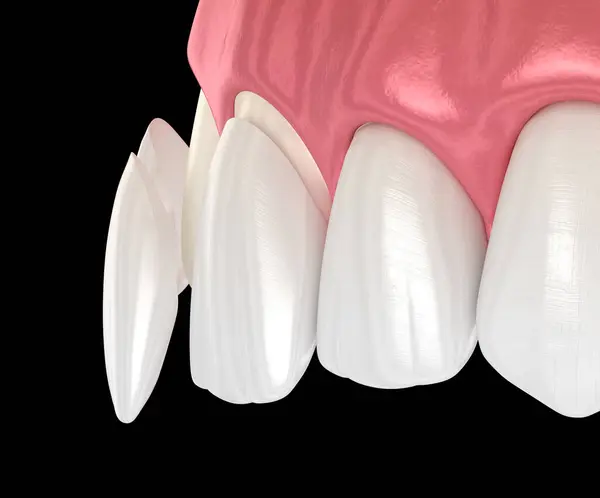
If you are considering dental veneers, the question usually is not whether they look good on day one. The real concern is what life looks like years later, especially when planning for maintenance and future replacement. Understanding How Long Do Dental Veneers Last? What Yorba Linda, CA Patients Should Know helps you set realistic expectations and protect your investment. You will learn typical timelines by material, what shortens veneer longevity, and the practical steps that keep veneers looking and functioning their best.
Veneer Longevity: The Short Answer and What “Last” Means
A veneer lifespan is best defined as the time until a veneer needs repair, replacement, or no longer meets your cosmetic goals, not simply the time it stays attached. Many veneers are still bonded yet look mismatched, feel rough at the edges, or show margin staining, which counts as “end of service life” for most patients.
In general, porcelain veneers often last about 10–15+ years, composite veneers often last around 5–7 years, and no-prep veneers or minimal-prep veneers can fall into similar ranges when case selection is right. Results vary because bite forces, oral hygiene, bonding quality, and gum health differ from person to person. Veneers also do not prevent tooth decay, so cavities and gum inflammation around the margins can shorten veneer longevity even when the veneer itself looks intact.
Typical Lifespan Ranges by Material
Porcelain veneers commonly last about 10–15+ years with good care, and some last longer in low-stress occlusion with excellent bonding and stable gum tissue. Their fracture resistance and color stability are typically strong, so long-term staining is less common on the porcelain surface itself.
Composite veneers often last about 5–7 years before chipping, surface wear, or staining becomes noticeable, and they may need polishing or a refresh sooner. Composite can still look very natural, but it is more prone to edge breakdown over time.
No-prep veneers and minimal-prep veneers can last similarly to porcelain in the right case, but tooth preparation and case selection are critical. If a veneer is placed too “bulky,” or if bite alignment is not ideal, the risk of chipping or debonding goes up.
Signs a Veneer Is Reaching the End of Its Service Life
Chipping, cracks, rough edges, or repeated debonding are common signs that the veneer or the bonding interface is failing. These issues can start small, then worsen as bite forces concentrate on a weakened area.
Watch for dark lines at the margins, staining that will not polish out, or a color mismatch with adjacent teeth after natural teeth shift shade over time. Marginal leakage can allow bacteria to reach the underlying tooth, raising the risk of tooth decay.
Gum recession can expose the veneer edge or the underlying tooth structure, which may create sensitivity and visible margin changes. Even when the veneer is intact, recession can make replacement desirable for a cleaner seal and better aesthetics.
What Most Affects How Long Veneers Last
Material strength and thickness matter, but so do fit and bonding at the margins where the veneer meets enamel. A precise seal using the right dental cement and technique reduces marginal leakage and helps protect the underlying tooth.
Bite forces, grinding, clenching, and bruxism can overload veneers, especially on front teeth that guide chewing movements. Parafunctional habits like nail biting and ice chewing increase the chance of fractures or edge chips.
Oral hygiene and cavity risk remain decisive because veneers do not “wrap” the tooth like a crown. If the tooth underneath decays or gum health declines, replacement becomes more likely even if the veneer looks acceptable.
Bite, Bruxism, and Daily Habits That Shorten Lifespan
Nighttime grinding and clenching increase the risk of cracks and chipping, particularly along thin porcelain edges. A custom night guard can be one of the most effective ways to reduce stress on veneers and natural teeth.
Using teeth as tools, chewing ice, or frequently biting very hard foods can chip porcelain or wear composite. Even small chips can alter occlusion and create a cycle of repeated damage.
Sports without a mouthguard raise the risk of trauma to veneers and the teeth behind them. If you play contact sports or even recreational basketball, a properly fitted mouthguard is a smart safeguard.
Clinical Factors: Prep, Bonding, and Lab Quality
Bonding to enamel is typically stronger and more predictable than bonding to dentin, so conservative tooth preparation often improves long-term retention. When too much enamel is removed, the bond can be less durable, raising the risk of debonding.
Accurate impressions or a high-quality digital scan help the dental lab fabricate veneers with tight margins and proper contours. Cement selection and curing technique also influence the long-term seal and resistance to marginal leakage.
Lab fabrication, shade matching, and surface finishing influence both durability and aesthetics. A well-designed veneer distributes bite forces more evenly and is less likely to chip at vulnerable edges.
How Yorba Linda Patients Can Help Veneers Last Longer
Daily care is simple but specific: gentle brushing, consistent flossing, and a non-abrasive toothpaste help protect the veneer margins and keep surfaces polished. Avoid aggressive scrubbing that can irritate the gumline and contribute to gum recession.
Professional maintenance matters because early margin changes are hard to spot at home. Regular dental checkups and professional cleaning appointments help catch bite changes, early cavities near margins, and gum inflammation before they threaten the bond.
Lifestyle adjustments also add years, including managing dry mouth, limiting high-frequency staining habits, and protecting against grinding and impact. At Dentique Dental Studio in Yorba Linda, CA, patients often benefit from a technology-forward approach that supports precise evaluation and comfortable follow-ups.
A Practical Maintenance Checklist
- Brush 2x/day with a soft toothbrush, and floss daily to protect the gumline around veneers.
- Ask about a night guard if you clench, grind, or wake with jaw soreness or headaches.
- Schedule routine checkups to monitor bite wear, veneer edges, gum recession, and early marginal leakage.
Foods, Drinks, and Products to Be Careful With
Limit very hard foods like ice and hard candy, and avoid chewing on pens or nails. These habits concentrate bite forces at the veneer edge where chipping often starts.
Staining agents like coffee, tea, and red wine can discolor composite veneers more than porcelain, and they can still darken adjacent natural teeth. That can create a shade mismatch even when porcelain maintains good color stability.
Avoid highly abrasive whitening toothpastes and at-home “hacks” that roughen surfaces. Roughness can hold stain and plaque, which increases gum irritation near the margins.
Replacement, Repairs, and What to Expect Over Time
Common veneer failure modes include chipping, debonding, marginal leakage, and aesthetic mismatch as natural teeth change shade or gum recession exposes edges. Many issues start as minor and are easiest to manage when found early at dental checkups.
The path forward depends on the problem: polishing and minor repair may be enough, or you may need replacement of a single veneer to restore seal and shape. Some patients update a set so shade matching stays consistent across the smile.
Over time, gum changes and natural tooth wear can alter occlusion and bite alignment, which affects how bite forces land on veneers. That is one reason long-term maintenance often includes bite adjustments and periodic reevaluation.
Can a Veneer Be Repaired or Does It Need Replacement?
Small chips may be smoothed or repaired, often with composite, depending on location and occlusion. Repairs hold best when the area is not taking heavy bite forces.
Cracks through porcelain, repeated debonding, or signs of marginal leakage often require replacement. If the underlying tooth has cavities, treating decay comes first.
Color issues may be addressed by whitening adjacent teeth or replacing veneers for uniform shade matching. Porcelain cannot be whitened like natural enamel.
Common Mistakes to Avoid (Including Social Media “Veneers”)
Avoid unlicensed provider setups and “pop-up” veneer services marketed as social media veneers. The risks include poor margins, infection, aggressive tooth preparation, and irreversible damage that may require crowns or root canal treatment later.
Do not skip diagnosis, because untreated gum disease, cavities, and unstable occlusion can sabotage even well-made porcelain veneers. A legitimate plan evaluates gum health, bite alignment, and whether you have bruxism or clenching.
Veneers are not maintenance-free, so neglecting brushing, flossing, and professional cleaning can lead to inflammation and tooth decay around the margins. If your family is also focused on prevention, Dentique Dental Studio’s resources on cleanings can help build good habits, including for kids: essential guide to children dental cleanings in yorba linda ca at dentique dental studio and the importance of regular children dental cleanings in yorba linda ca for preventing cavities and gum disease early.
Conclusion
Veneers can be a long-term smile solution, but their service life depends on more than the material you choose. Strong bonding to enamel, precise margins, a stable bite, and consistent oral hygiene usually matter as much as porcelain versus composite. If you want the longest veneer lifespan possible in Yorba Linda, CA, plan for routine dental checkups, protect against grinding with a custom night guard when needed, and treat gum health and cavities early so your veneers have a healthy foundation for years.
Wondering how long dental veneers can last and how to make the most of your investment? Our team is happy to guide you through everything you need to know. Call us at 714-986-1699 to schedule your consultation, or visit Dentique Dental Studio’s Website to explore your options and book an appointment online. Let’s help you achieve a smile that lasts!