
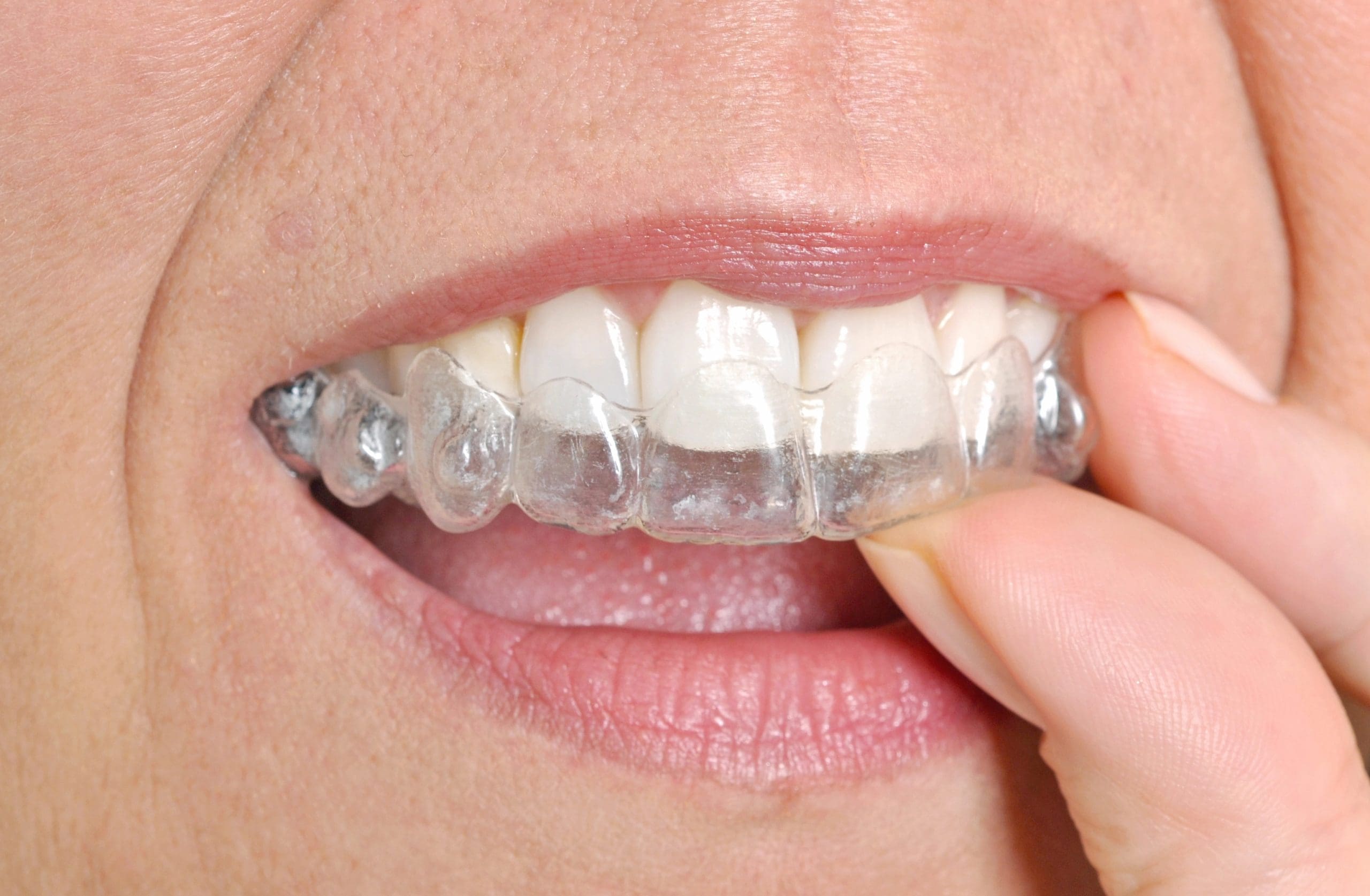
Are you trying to decide between Invisalign vs braces for overbite correction? Both options have their unique advantages and can effectively address dental alignment issues, but the right choice depends on individual needs and preferences.
Invisalign vs braces for overbite: Treatment Duration Comparison
When considering Invisalign vs braces for overbite, one of the key factors to evaluate is the treatment duration. Generally, traditional braces may require a longer commitment, often ranging from 18 months to 3 years, depending on the severity of the overbite and individual patient needs. In contrast, Invisalign can sometimes offer a shorter treatment period, with many cases being completed in about 12 to 18 months. However, it’s important to note that the exact duration for either treatment can vary based on the complexity of the dental issue and the patient’s adherence to the treatment plan.
The choice between Invisalign vs braces for overbite also involves considering lifestyle preferences and aesthetic concerns. For those who prioritize a more discreet option, Invisalign might be appealing due to its clear aligners. This aspect is highlighted in resources like Invisalign for Discreet Teeth Straightening: The Clear Choice for a Confident Smile, which discusses the benefits of a less noticeable treatment. Ultimately, the decision on which method to choose should be based on a comprehensive evaluation of individual needs and expectations.
Cost Considerations
When evaluating Invisalign vs braces for overbite, cost is a significant factor that many individuals consider. The overall expense can vary widely depending on the complexity of the overbite and the duration of the treatment. Generally, traditional braces might have a lower initial cost, but additional expenses can arise from regular adjustments and maintenance. On the other hand, Invisalign may have a higher upfront cost, but it often includes fewer follow-up visits, which can be a cost-saving factor in the long run.
It’s important to weigh these financial aspects carefully when deciding between Invisalign vs braces for overbite. Each treatment option has its own set of financial implications that can impact your budget. For those seeking more information on Invisalign options, visiting Yorba Linda Orthodontics Invisalign can provide further insights into potential costs and treatment plans.
Aesthetic Differences
When considering Invisalign vs braces for overbite, one of the most noticeable distinctions lies in their aesthetic differences. Traditional braces are often visible due to their metal brackets and wires, which can be a concern for those who prefer a more discreet option. In contrast, clear aligners offer a subtler appearance, making them less noticeable during social interactions. This difference in visibility can influence personal comfort and confidence levels throughout the treatment process. Understanding these aesthetic variations is crucial when evaluating Invisalign vs braces for overbite, as it can impact your overall satisfaction with the treatment experience.
Comfort Levels
When considering Invisalign vs braces for overbite, comfort levels play a significant role in the decision-making process. Many individuals find that their comfort experience can vary greatly depending on the treatment they choose. Some people report feeling more at ease with one option over the other, while others may experience initial discomfort that subsides over time. The adaptability of each treatment to your lifestyle and personal comfort preferences is an important factor to consider. For those seeking more information on this topic, Dentique, a Yorba Linda Dentist, can provide further insights into the differences between these treatments.
Maintenance Requirements
When considering Invisalign vs braces for overbite, understanding the maintenance requirements of each option is crucial. Both treatments necessitate a commitment to oral hygiene and regular upkeep to ensure effectiveness. With traditional braces, maintaining cleanliness involves careful brushing and flossing around the brackets and wires to prevent plaque buildup. On the other hand, clear aligners require consistent cleaning and proper storage when not in use to maintain their transparency and effectiveness. Each method has its own set of maintenance routines that play a vital role in the overall success of correcting an overbite.
Effectiveness for Severe Cases
When considering Invisalign vs braces for overbite, the effectiveness of each treatment can vary significantly, especially in severe cases. Both options have their unique approaches to addressing complex dental issues, but the choice often depends on the specific needs and conditions of the individual. While some may find one method more suitable due to the nature of their overbite, others might require a different approach to achieve optimal results. Understanding the potential outcomes and limitations of each treatment is crucial for those dealing with more pronounced dental misalignments.
Lifestyle Impact
When considering Invisalign vs braces for overbite, it’s important to think about how each option might fit into your daily routine. Both treatments can influence various aspects of your lifestyle, from dietary choices to social interactions. For instance, one might require more frequent adjustments or visits, while the other could offer more flexibility in terms of maintenance and care. Additionally, the visibility of the treatment can affect your comfort level in social settings. Understanding these lifestyle impacts can help you weigh the pros and cons of Invisalign vs braces for overbite, ensuring that your choice aligns with your personal and professional life.
Age Suitability
When considering Invisalign vs braces for overbite, age suitability plays a crucial role in determining the most appropriate treatment option. Both methods can be effective for different age groups, but the choice often depends on individual needs and developmental stages. Younger patients, such as teenagers, may have different orthodontic requirements compared to adults, which can influence the decision between Invisalign and braces. Understanding how age impacts treatment options can help in evaluating the potential effectiveness and convenience of each method for correcting an overbite.
Follow-Up Appointments
When considering Invisalign vs braces for overbite, understanding the role of follow-up appointments is crucial. These appointments are essential for monitoring progress and ensuring that the treatment is on track. Regular visits allow for adjustments and provide an opportunity to address any concerns that may arise during the course of treatment. Whether you choose Invisalign or braces, consistent follow-up appointments help in achieving the desired outcome by keeping the treatment aligned with the planned timeline.
Conclusion
Deciding between Invisalign vs braces for overbite can be challenging, but understanding your options is the first step. For more information or to discuss your needs, call us at (714) 786-8693 or read reviews on Google Maps.