Are you curious about bone grafting types and materials and which option might be best for you? Bone grafting involves various types and materials, each with unique properties and applications, and the best choice depends on individual needs and medical conditions. Understanding these options can help in making informed decisions with your healthcare provider.
Bone Grafting Types and Materials
Understanding the causes of jawbone loss is crucial when considering bone grafting types and materials. Jawbone deterioration can occur due to various factors, including tooth loss, periodontal disease, and trauma. When teeth are missing, the jawbone may begin to resorb over time, leading to a decrease in bone density. Periodontal disease can also contribute to bone loss as it affects the supporting structures of the teeth. Additionally, injuries or trauma to the jaw can result in bone damage, necessitating the need for grafting procedures.
Exploring bone grafting types and materials becomes essential when addressing these issues. The choice of grafting material can depend on the extent of bone loss and the specific needs of the patient. For those interested in understanding more about the effectiveness of these procedures, the article on Bone Grafting Success Rate in Dentistry: What Research Reveals provides valuable insights. By examining the underlying causes of jawbone loss, individuals can better appreciate the role of bone grafting in restoring oral health.
Types of Bone Grafts
Bone grafting types and materials play a crucial role in the success of various dental and orthopedic procedures. The primary types of bone grafts include autografts, allografts, xenografts, and synthetic grafts. Autografts are harvested from the patient’s own body, often from the hip or another bone-rich area, providing a high success rate due to their biocompatibility. Allografts, on the other hand, are sourced from a donor, typically a cadaver, and are processed to ensure safety and compatibility. Xenografts are derived from animal sources, such as bovine or porcine bones, and are treated to be safe for human use. Synthetic grafts are man-made materials designed to mimic natural bone properties and promote bone regeneration.
Each type of bone graft offers unique benefits and considerations, making it essential to understand the differences when exploring bone grafting types and materials. Factors such as the patient’s health, the specific medical condition, and the desired outcome can influence the choice of graft material. For those seeking more information on bone grafting options in Yorba Linda, consider visiting our page on Quality Bone Grafting Yorba Linda for further insights.
Autograft vs. Allograft
When exploring bone grafting types and materials, understanding the differences between autografts and allografts is essential. Autografts involve using bone from the patient’s own body, typically harvested from areas like the pelvis or ribs, which can offer compatibility benefits. In contrast, allografts are sourced from a donor, often through a bone bank, and are processed to ensure safety and sterility. Each option has its unique characteristics and potential applications, making them integral components of the broader spectrum of bone grafting types and materials.
Bone Grafting Procedure Steps
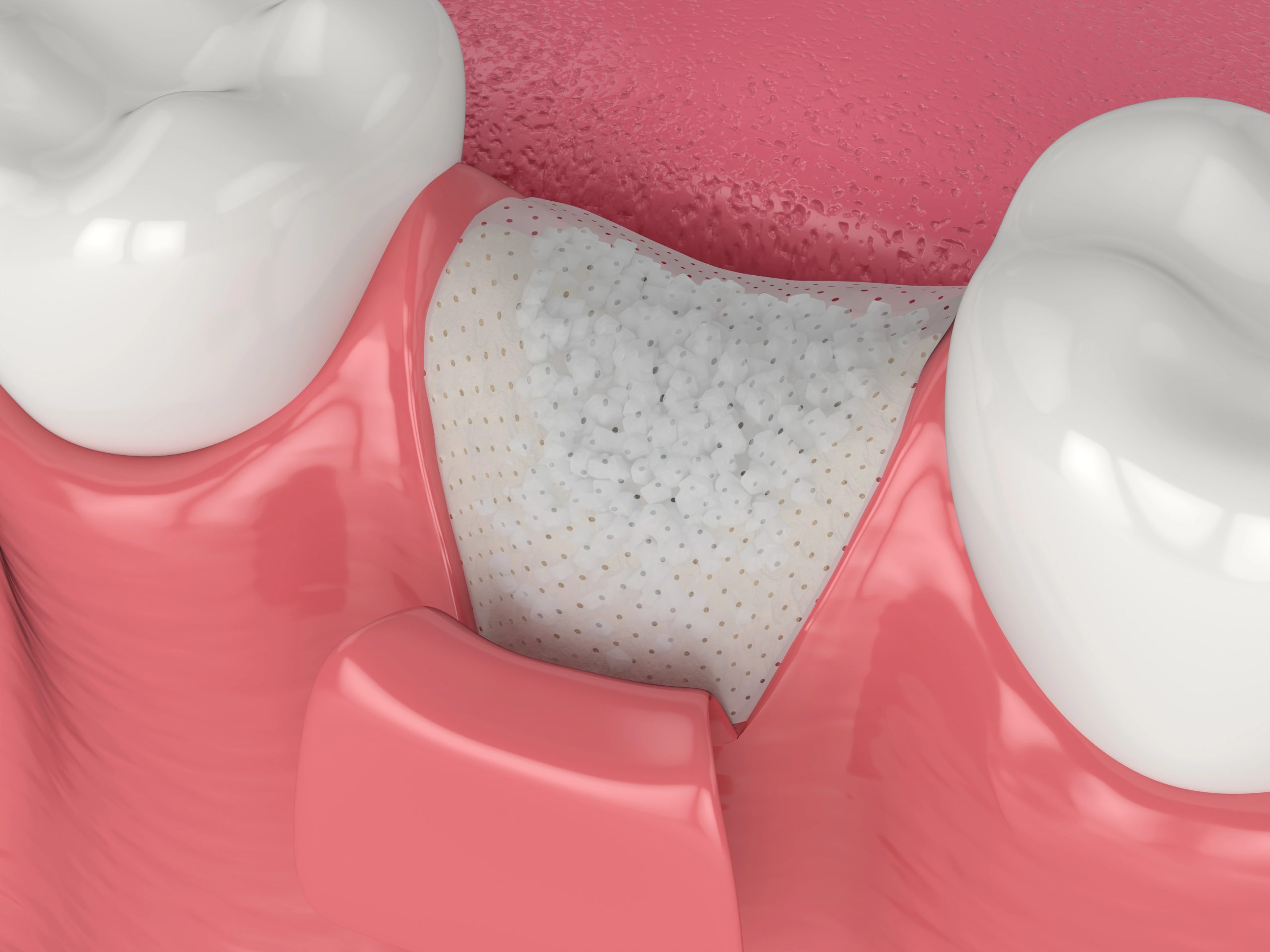
The bone grafting procedure involves several key steps to ensure successful integration and healing. Initially, the area is prepared by making an incision to expose the bone defect. The chosen bone grafting types and materials are then carefully placed into the site to promote new bone growth. Once positioned, the graft is secured, and the incision is closed with sutures. Over time, the graft material integrates with the existing bone, providing a stable foundation for future dental work. For more information on bone grafting types and materials, you can visit Dentique, your trusted Yorba Linda Dentist.
Recovery and Healing Process
The recovery and healing process following a bone graft can vary depending on the type of graft and materials used. Generally, patients can expect a period of rest and limited activity to allow the graft to integrate with the existing bone structure. Swelling and discomfort are common initially, but these symptoms typically subside as healing progresses. The body gradually incorporates the graft material, promoting new bone growth and strengthening the affected area. Regular follow-up appointments with a healthcare provider are essential to monitor the healing process and ensure successful integration of the graft.
Risks and Complications
When considering bone grafting types and materials, it’s important to be aware of potential risks and complications that may arise during or after the procedure. Common issues can include infection, rejection of the graft, or delayed healing. The choice of bone grafting types and materials can also influence the likelihood of these complications, as different materials may interact with the body in various ways. Additionally, there is a risk of nerve damage or prolonged pain at the graft site. Understanding these potential risks is crucial for anyone considering bone grafting procedures.
Success Rates and Outcomes
When considering bone grafting types and materials, understanding the success rates and outcomes is crucial for informed decision-making. Generally, the success of bone grafting procedures depends on various factors, including the type of graft material used, the patient’s overall health, and the specific condition being treated. Autografts, allografts, xenografts, and synthetic options each have their own success rates, with autografts often noted for higher integration due to their biological compatibility. However, advancements in technology and materials have improved the outcomes of other bone grafting types and materials, making them viable options for many patients. Overall, the choice of grafting material can significantly influence the healing process and long-term results.
Cost and Insurance Coverage
When considering bone grafting types and materials, understanding the cost and insurance coverage is crucial. The expenses associated with bone grafting can vary significantly depending on the type of procedure and materials used. Some insurance plans may cover part or all of the costs, but this often depends on the specific policy and the medical necessity of the procedure. It’s important to consult with your insurance provider to determine what aspects of bone grafting types and materials are covered under your plan, as this can greatly influence your decision-making process.
Future Advances in Bone Grafting
As the field of bone grafting continues to evolve, future advances are set to revolutionize the way bone grafting types and materials are utilized in medical procedures. Researchers are exploring innovative techniques and materials that promise to enhance the effectiveness and safety of bone grafts. These advancements may include the development of bioengineered materials that mimic natural bone properties more closely, as well as the integration of cutting-edge technologies like 3D printing to create customized grafts tailored to individual patient needs. Such progress holds the potential to significantly improve patient outcomes and expand the possibilities within the realm of bone grafting.
Conclusion
Exploring the various bone grafting types and materials can be crucial for your health journey; for more information, call us at (714) 786-8693 or check out our Google Maps reviews.