Why is bone grafting after tooth extraction sometimes necessary? Bone grafting after tooth extraction helps preserve the jawbone structure and provides a stable foundation for future dental procedures, such as implants. It can prevent bone loss and maintain facial aesthetics.
Bone Grafting After Tooth Extraction
Understanding Bone Grafting Basics
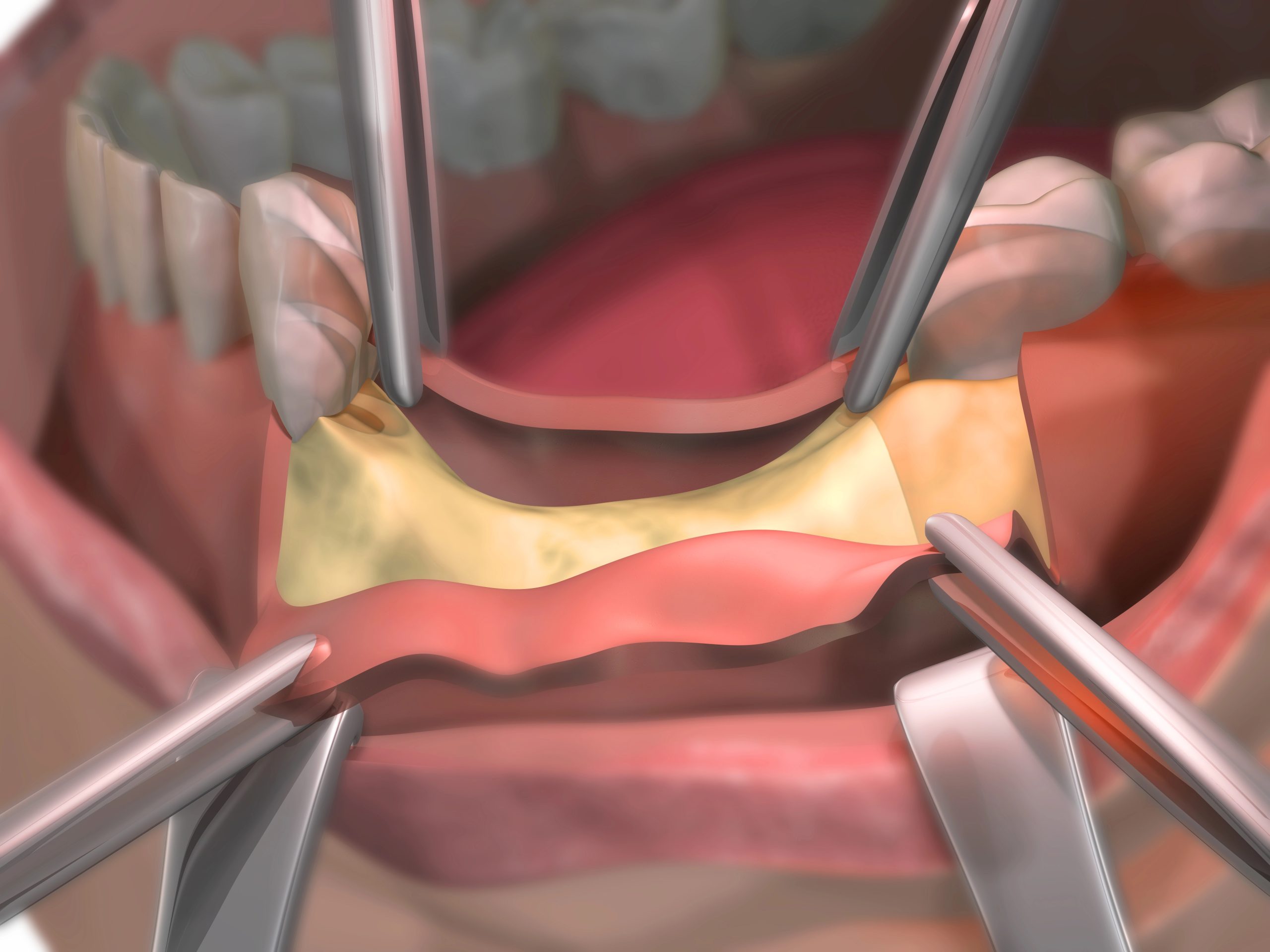
Bone grafting after tooth extraction is a procedure that helps maintain the structure and density of the jawbone. When a tooth is removed, the surrounding bone can begin to deteriorate, leading to potential issues with oral health and facial structure. Bone grafting involves placing a grafting material into the socket where the tooth was extracted, which encourages new bone growth and preserves the jaw’s integrity.
This process is crucial for those who may consider future dental implants, as it ensures there is enough bone to support the implant. Without sufficient bone density, implants may not be viable. For more information on finding a specialist, visit our page on Bone Grafting Dentist Near Me: Choosing the Right Specialist.
Reasons for Bone Grafting
Bone grafting after tooth extraction is often necessary to preserve the jawbone’s structure and density. When a tooth is removed, the surrounding bone can begin to deteriorate due to lack of stimulation. This process can lead to significant bone loss, which may affect the alignment of remaining teeth and the overall shape of the face. Bone grafting helps to maintain the bone’s volume and density, providing a stable foundation for future dental procedures such as implants.
Another reason for bone grafting after tooth extraction is to ensure the long-term health of the oral cavity. Without adequate bone support, adjacent teeth may shift, leading to misalignment and potential bite issues. Additionally, bone grafting can prevent the collapse of facial features that rely on bone structure for support. For those considering dental implants, maintaining sufficient bone mass is crucial for successful implantation. To learn more about this procedure, visit our page on Expert Bone Grafting In Yorba Linda.
Bone Loss After Tooth Extraction
Bone loss after tooth extraction is a common concern that can impact oral health and facial structure. When a tooth is removed, the jawbone may begin to deteriorate due to the lack of stimulation that the tooth root once provided. This process can lead to significant changes in the jawline and overall facial appearance over time. Bone grafting after tooth extraction is a procedure that can help address this issue by promoting new bone growth and maintaining the integrity of the jawbone. By understanding the potential for bone loss, individuals can better appreciate the importance of maintaining bone health following an extraction.
Types of Bone Grafts
Bone grafting after tooth extraction can involve several types of bone grafts, each serving a unique purpose in dental restoration. Autografts use bone harvested from the patient’s own body, often from the chin or hip, ensuring compatibility and reducing the risk of rejection. Allografts, on the other hand, utilize bone from a donor, which is processed to ensure safety and effectiveness. Xenografts involve bone sourced from animals, typically cows, and are treated to be safe for human use. Lastly, alloplasts are synthetic options that mimic natural bone properties. Understanding these types can help patients appreciate the complexity and necessity of bone grafting after tooth extraction. For more information on dental procedures, visit Dentique, your trusted Yorba Linda Dentist.
Healing Process Overview
The healing process after bone grafting following a tooth extraction is a crucial phase that ensures the stability and health of the jawbone. Initially, the body begins to form new bone cells around the graft material, integrating it into the existing bone structure. This process can take several months, during which the graft acts as a scaffold for new bone growth. Proper healing is essential to maintain the integrity of the jaw and prepare the site for any future dental procedures. Bone grafting after tooth extraction supports this natural healing by providing the necessary foundation for bone regeneration.
Potential Risks and Complications
Bone grafting after tooth extraction, while generally safe, can present potential risks and complications. These may include infection at the graft site, rejection of the graft material, or issues with healing. Swelling, pain, and bleeding are common post-operative symptoms that usually subside with time. In rare cases, there might be nerve damage or sinus complications, particularly if the upper jaw is involved. It’s important to monitor any unusual symptoms and consult a healthcare professional if concerns arise during the recovery process.
Comparing Natural vs. Synthetic Grafts
In the context of bone grafting after tooth extraction, understanding the differences between natural and synthetic grafts is essential. Natural grafts typically involve using bone material from the patient’s own body or a donor, which can integrate well with existing bone structures. On the other hand, synthetic grafts are man-made materials designed to mimic natural bone properties, offering an alternative when natural grafts are not feasible. Both options aim to provide a stable foundation for future dental procedures, but the choice between them depends on various factors, including the specific needs of the patient and the clinical situation.
Role in Dental Implant Success
Bone grafting after tooth extraction plays a crucial role in ensuring the success of dental implants. When a tooth is removed, the surrounding bone can deteriorate, leading to insufficient support for future implants. By performing bone grafting after tooth extraction, dentists can restore and enhance the bone structure, providing a stable foundation for implants. This process not only helps in maintaining the integrity of the jawbone but also increases the likelihood of successful implant integration, ultimately contributing to better oral health outcomes.
Factors Influencing Graft Decision
When considering bone grafting after tooth extraction, several factors come into play that can influence the decision-making process. The condition of the jawbone is a primary consideration, as sufficient bone density is crucial for future dental procedures like implants. The location of the extracted tooth also matters, as certain areas may require more support to maintain facial structure. Additionally, the patient’s overall oral health and any pre-existing conditions can impact the necessity for bone grafting. Each case is unique, and these factors collectively guide the decision on whether bone grafting after tooth extraction is necessary.
Conclusion
Understanding the importance of bone grafting after tooth extraction can significantly impact your oral health journey. For more information, call us at (714) 786-8693 or read reviews on Google Maps.