What is bone grafting for dental implants, and why is it essential for building a strong foundation? Bone grafting for dental implants involves augmenting the jawbone to provide adequate support for implants, ensuring their stability and longevity. This procedure is crucial for patients with insufficient bone density, allowing successful integration of dental implants.
Bone Grafting for Dental Implants: Understanding Bone Grafting Basics
Bone grafting for dental implants is a crucial procedure that helps create a stable foundation for dental implants. This process involves augmenting the jawbone to ensure it is strong enough to support the implants effectively. The need for bone grafting arises when the existing bone structure is insufficient due to factors like bone loss from periodontal disease or tooth extraction. By enhancing the bone volume, bone grafting for dental implants ensures that the implants have a secure and durable base, which is essential for their long-term success.
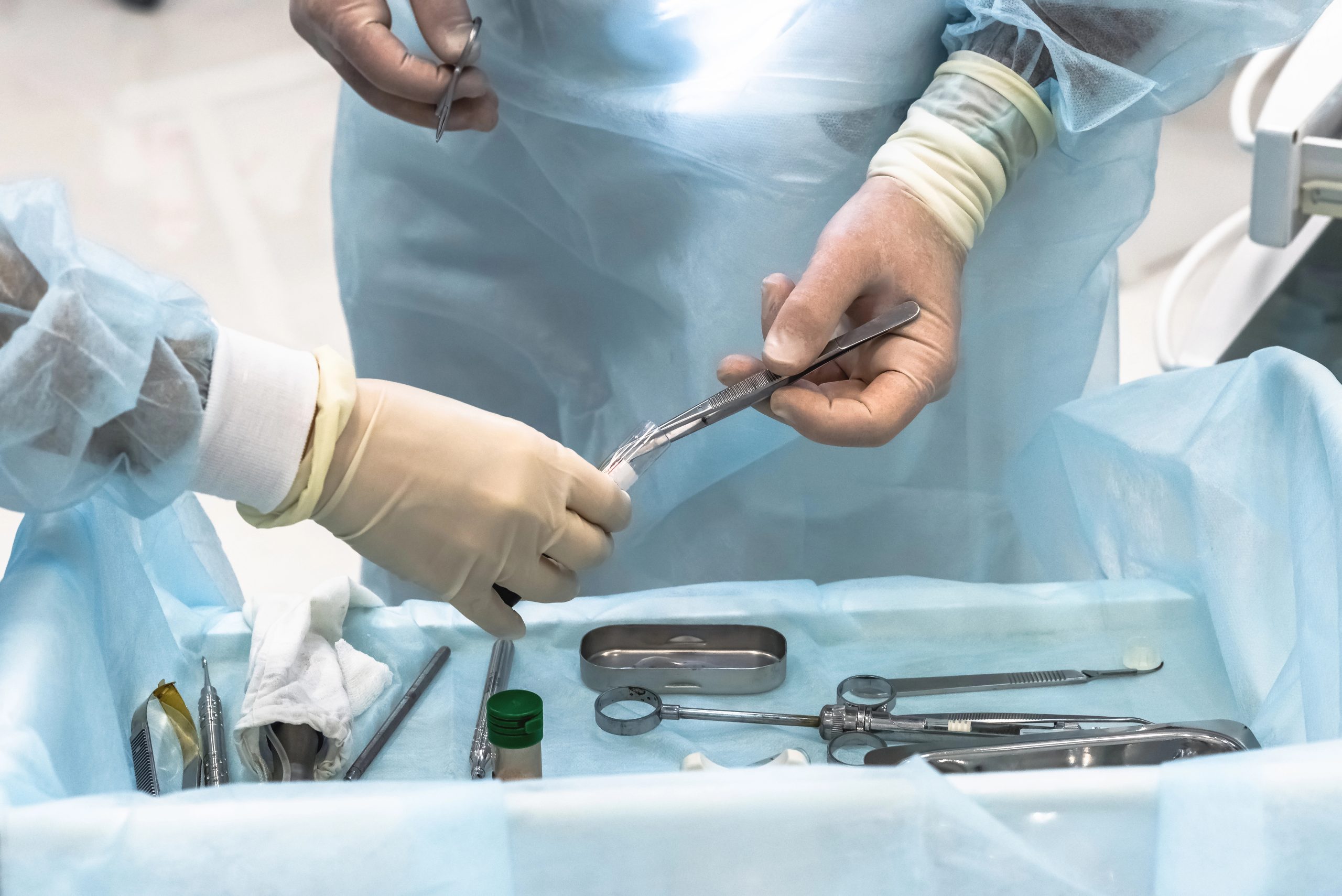
The procedure typically involves using bone from another part of the body, a donor, or synthetic materials to build up the jawbone. This augmentation process is vital for patients who have experienced significant bone loss, as it allows them to become candidates for dental implants. Understanding the intricacies of bone grafting for dental implants can help individuals appreciate the importance of this foundational step in the implant process. For more information on the financial aspects of this procedure, you can explore the Bone Grafting Cost for Teeth: Factors That Influence Pricing.
Bone Grafting for Dental Implants
Bone grafting for dental implants involves using various materials to ensure a stable and robust foundation for the implant. The types of bone grafting materials commonly used include autografts, allografts, xenografts, and alloplasts. Autografts are harvested from the patient’s own body, often from the jaw or hip, providing a high success rate due to their biocompatibility. Allografts are sourced from human donors and are processed to ensure safety and effectiveness. Xenografts, derived from animal sources, and alloplasts, which are synthetic materials, offer alternative options depending on the specific needs of the patient.
Each type of bone grafting material has its unique properties and benefits, contributing to the overall success of dental implants. The choice of material depends on various factors, including the extent of bone loss and the patient’s health condition. For those interested in learning more about bone grafting for dental implants, you can explore further information through Bone Grafting Yorba Linda.
The Science Behind Bone Regeneration
Bone regeneration is a complex biological process that plays a crucial role in dental implant success. It involves the natural ability of the body to repair and regenerate bone tissue, ensuring a stable foundation for implants. This process is facilitated by osteoblasts, the cells responsible for new bone formation, which work in tandem with osteoclasts that break down old bone tissue. The balance between these cells is essential for maintaining bone density and structure. In the context of dental implants, bone grafting materials are often used to stimulate and support this regenerative process, providing the necessary environment for new bone growth and integration with the implant.
Healing Process After Bone Grafting
The healing process after bone grafting for dental implants is a crucial phase that ensures the success of the procedure. During this time, the body works to integrate the grafted material with the existing bone, creating a solid foundation for future dental implants. This process can take several months, as the new bone needs to mature and stabilize. It’s important to follow any post-operative care instructions provided by your dental professional to support optimal healing. For more information on dental procedures, visit Dentique, your trusted Yorba Linda Dentist.
Common Reasons for Bone Grafting
Bone grafting for dental implants is often necessary to ensure a stable and secure foundation for the implant. One common reason for bone grafting is bone loss due to periodontal disease, which can weaken the jawbone over time. Additionally, tooth loss can lead to bone resorption, where the bone diminishes because it no longer supports a tooth. Trauma or injury to the jaw can also result in bone loss, making bone grafting essential for successful dental implant placement. These scenarios highlight the importance of bone grafting for dental implants to achieve optimal oral health outcomes.
Bone Grafting and Implant Success
Bone grafting for dental implants plays a crucial role in ensuring the long-term success of dental implant procedures. By providing a stable and robust foundation, bone grafting enhances the structural integrity necessary for the implant to integrate effectively with the jawbone. This process is essential for patients who may have experienced bone loss due to periodontal disease, trauma, or other factors. The success of dental implants heavily relies on the quality and quantity of the existing bone, making bone grafting a vital step in achieving optimal outcomes.
Comparing Autografts and Allografts
In the realm of bone grafting for dental implants, understanding the differences between autografts and allografts is crucial. Autografts involve using bone material harvested from the patient’s own body, often from areas like the chin or hip, which can enhance compatibility and integration. On the other hand, allografts utilize bone from a donor, typically sourced from a bone bank, offering a convenient alternative without the need for additional surgery on the patient. Both methods aim to provide a solid foundation for dental implants, each with its unique advantages and considerations in the context of bone grafting for dental implants.
Innovations in Bone Grafting Techniques
Recent advancements in bone grafting for dental implants have revolutionized the way dental professionals approach oral rehabilitation. Cutting-edge techniques now allow for more efficient and effective bone regeneration, ensuring a robust foundation for dental implants. These innovations include the use of advanced biomaterials and enhanced surgical methods that promote faster healing and integration. As a result, patients experience improved outcomes, making bone grafting for dental implants a more viable option for those seeking long-term dental solutions.
Preparing for Dental Implant Surgery
When considering dental implants, understanding the role of bone grafting for dental implants is crucial in preparing for the procedure. Bone grafting helps create a solid foundation by augmenting the jawbone, ensuring it can adequately support the implant. This preparatory step is essential for those with insufficient bone density, as it enhances the stability and longevity of the dental implant. By focusing on building a strong base, patients can look forward to successful outcomes and improved oral health.
Conclusion
Bone grafting for dental implants is essential for a strong foundation. For more information, call us at (714) 786-8693 or read our reviews on Google Maps.