Skip to content

16960 Bastanchury Rd Suite B, Yorba Linda, CA 92886, United States

(714) 986-1699

Dentique
  • About
    • Meet Our Doctor
    • Our Office
    • Blog
  • Services
    • General Dentistry
      • Dental Cleanings & Exams
      • Tooth Fillings
      • Pediatric Dentistry
      • Tooth Extractions
      • Sedation Dentistry
      • Wisdom Teeth Removal
    • Restorative Dentistry
      • Dental Implants
      • Dental Crowns
      • Dental Bridges
      • Dentures
      • Porcelain Inlays & Onlays
      • Root Canal Therapy
    • Cosmetic Dentistry
      • Veneers
      • Teeth Whitening
      • Invisalign
      • Cosmetic Bonding
    • Periodontal
      • Gum Disease Treatment
      • Scaling & Root Planing
    • TMJ
      • TMJ Botox
    • Emergency Dentistry
    • Sleep Apnea Treatment
  • Financing
  • Contact
Book An Appointment
  • Bone Grafting for Dental Implants: Building a Strong Foundation

    Bone Grafting for Dental Implants: Building a Strong Foundation

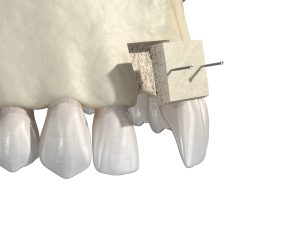
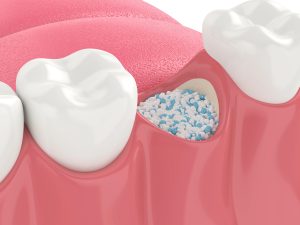
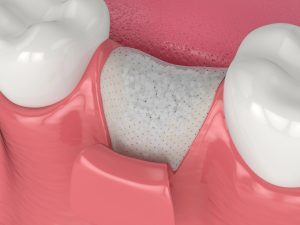
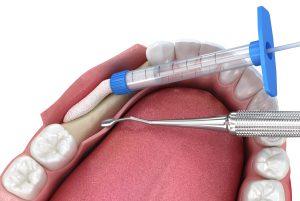
    What is bone grafting for dental implants, and why is it essential for building a strong foundation? Bone grafting for dental implants involves augmenting the jawbone to provide adequate support for implants, ensuring their stability and longevity. This procedure is crucial for patients with insufficient bone density, allowing successful integration of dental implants.

    Bone Grafting for Dental Implants: Understanding Bone Grafting Basics

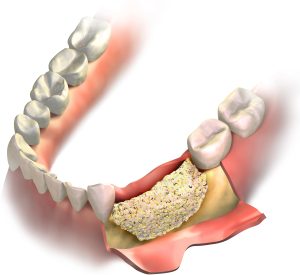
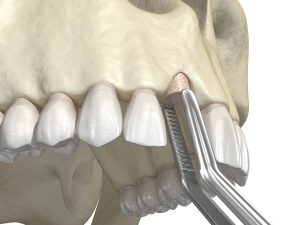
    Bone grafting for dental implants is a crucial procedure that helps create a stable foundation for dental implants. This process involves augmenting the jawbone to ensure it is strong enough to support the implants effectively. The need for bone grafting arises when the existing bone structure is insufficient due to factors like bone loss from periodontal disease or tooth extraction. By enhancing the bone volume, bone grafting for dental implants ensures that the implants have a secure and durable base, which is essential for their long-term success.

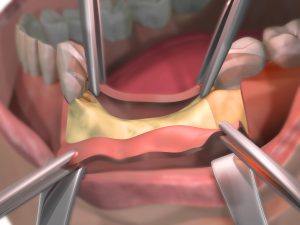
    The procedure typically involves using bone from another part of the body, a donor, or synthetic materials to build up the jawbone. This augmentation process is vital for patients who have experienced significant bone loss, as it allows them to become candidates for dental implants. Understanding the intricacies of bone grafting for dental implants can help individuals appreciate the importance of this foundational step in the implant process. For more information on the financial aspects of this procedure, you can explore the Bone Grafting Cost for Teeth: Factors That Influence Pricing.

    Bone Grafting for Dental Implants

    Bone grafting for dental implants involves using various materials to ensure a stable and robust foundation for the implant. The types of bone grafting materials commonly used include autografts, allografts, xenografts, and alloplasts. Autografts are harvested from the patient’s own body, often from the jaw or hip, providing a high success rate due to their biocompatibility. Allografts are sourced from human donors and are processed to ensure safety and effectiveness. Xenografts, derived from animal sources, and alloplasts, which are synthetic materials, offer alternative options depending on the specific needs of the patient.

    Each type of bone grafting material has its unique properties and benefits, contributing to the overall success of dental implants. The choice of material depends on various factors, including the extent of bone loss and the patient’s health condition. For those interested in learning more about bone grafting for dental implants, you can explore further information through Bone Grafting Yorba Linda.

    The Science Behind Bone Regeneration

    Bone regeneration is a complex biological process that plays a crucial role in dental implant success. It involves the natural ability of the body to repair and regenerate bone tissue, ensuring a stable foundation for implants. This process is facilitated by osteoblasts, the cells responsible for new bone formation, which work in tandem with osteoclasts that break down old bone tissue. The balance between these cells is essential for maintaining bone density and structure. In the context of dental implants, bone grafting materials are often used to stimulate and support this regenerative process, providing the necessary environment for new bone growth and integration with the implant.

    Healing Process After Bone Grafting

    The healing process after bone grafting for dental implants is a crucial phase that ensures the success of the procedure. During this time, the body works to integrate the grafted material with the existing bone, creating a solid foundation for future dental implants. This process can take several months, as the new bone needs to mature and stabilize. It’s important to follow any post-operative care instructions provided by your dental professional to support optimal healing. For more information on dental procedures, visit Dentique, your trusted Yorba Linda Dentist.

    Common Reasons for Bone Grafting

    Bone grafting for dental implants is often necessary to ensure a stable and secure foundation for the implant. One common reason for bone grafting is bone loss due to periodontal disease, which can weaken the jawbone over time. Additionally, tooth loss can lead to bone resorption, where the bone diminishes because it no longer supports a tooth. Trauma or injury to the jaw can also result in bone loss, making bone grafting essential for successful dental implant placement. These scenarios highlight the importance of bone grafting for dental implants to achieve optimal oral health outcomes.

    Bone Grafting and Implant Success

    Bone grafting for dental implants plays a crucial role in ensuring the long-term success of dental implant procedures. By providing a stable and robust foundation, bone grafting enhances the structural integrity necessary for the implant to integrate effectively with the jawbone. This process is essential for patients who may have experienced bone loss due to periodontal disease, trauma, or other factors. The success of dental implants heavily relies on the quality and quantity of the existing bone, making bone grafting a vital step in achieving optimal outcomes.

    Comparing Autografts and Allografts

    In the realm of bone grafting for dental implants, understanding the differences between autografts and allografts is crucial. Autografts involve using bone material harvested from the patient’s own body, often from areas like the chin or hip, which can enhance compatibility and integration. On the other hand, allografts utilize bone from a donor, typically sourced from a bone bank, offering a convenient alternative without the need for additional surgery on the patient. Both methods aim to provide a solid foundation for dental implants, each with its unique advantages and considerations in the context of bone grafting for dental implants.

    Innovations in Bone Grafting Techniques

    Recent advancements in bone grafting for dental implants have revolutionized the way dental professionals approach oral rehabilitation. Cutting-edge techniques now allow for more efficient and effective bone regeneration, ensuring a robust foundation for dental implants. These innovations include the use of advanced biomaterials and enhanced surgical methods that promote faster healing and integration. As a result, patients experience improved outcomes, making bone grafting for dental implants a more viable option for those seeking long-term dental solutions.

    Preparing for Dental Implant Surgery

    When considering dental implants, understanding the role of bone grafting for dental implants is crucial in preparing for the procedure. Bone grafting helps create a solid foundation by augmenting the jawbone, ensuring it can adequately support the implant. This preparatory step is essential for those with insufficient bone density, as it enhances the stability and longevity of the dental implant. By focusing on building a strong base, patients can look forward to successful outcomes and improved oral health.

    Conclusion

    Bone grafting for dental implants is essential for a strong foundation. For more information, call us at (714) 786-8693 or read our reviews on Google Maps.

    Kirsten Brazil

    August 26, 2025
  • Bone Grafting Cost for Teeth: Factors That Influence Pricing

    Bone Grafting Cost for Teeth: Factors That Influence Pricing

    What determines the bone grafting cost for teeth? The bone grafting cost for teeth can vary widely due to factors such as the type of graft material used, the complexity of the procedure, and the geographic location of the dental practice. Understanding these elements can help in anticipating potential expenses.

    Bone Grafting Cost for Teeth: Type of Bone Graft Material

    The bone grafting cost for teeth can vary significantly depending on the type of bone graft material used. Autografts, which use bone from the patient’s own body, are often considered the gold standard due to their high success rate, but they can be more expensive due to the additional surgical procedure required. Allografts, sourced from human donors, and xenografts, derived from animal sources, are other options that may influence the overall cost. Each type of material has its own set of benefits and considerations that can impact the final pricing.

    Synthetic bone graft materials are also available and can affect the bone grafting cost for teeth. These materials are often used when natural bone sources are not viable or preferred. The choice between these materials is typically based on factors such as availability, patient health, and specific dental needs. Understanding these options is crucial for anyone considering a bone graft procedure. For more information on related procedures, you can read about Bone Grafting After Tooth Extraction: Why It’s Sometimes Necessary.

    Location of Dental Clinic

    The geographical location of a dental clinic can significantly impact the cost of bone grafting procedures. Clinics situated in urban areas or regions with a higher cost of living may charge more due to increased operational expenses. Conversely, clinics in rural or less populated areas might offer more competitive pricing. The local demand for dental services and the availability of specialists in the area can also influence pricing structures.

    Additionally, the proximity to major cities or renowned dental institutions can affect costs. Clinics located near these hubs may have access to advanced technologies and highly trained professionals, which could lead to higher fees. For those considering bone grafting, it’s essential to research and compare prices in different locations. For more information on services available in specific areas, you can explore our Yorba Linda Bone Grafting Services.

    Dentist’s Experience and Expertise

    The bone grafting cost for teeth can be significantly influenced by the dentist’s experience and expertise. Highly skilled dentists with extensive training and a proven track record in performing bone grafting procedures may charge more due to their advanced knowledge and ability to handle complex cases. Their expertise ensures that the procedure is performed with precision, potentially leading to better outcomes and fewer complications. As a result, patients might find that the investment in a seasoned professional can impact the overall cost of the treatment.

    Complexity of the Procedure

    The complexity of the procedure is a significant factor that can influence the bone grafting cost for teeth. More intricate cases may require additional time, expertise, and resources, which can increase the overall expense. Factors such as the location of the graft, the amount of bone needed, and the patient’s individual health conditions can all contribute to the complexity. Understanding these elements can help in anticipating potential costs associated with dental bone grafting. For more information, you can visit Dentique, your trusted Yorba Linda Dentist.

    Pre-Operative Assessments Required

    Before undergoing a bone grafting procedure, several pre-operative assessments are necessary to determine the overall bone grafting cost for teeth. These evaluations typically include dental X-rays, CT scans, and a thorough examination of the patient’s oral health to assess the condition of the jawbone and surrounding structures. The complexity and extent of these assessments can significantly influence the final pricing, as they help in planning the procedure and ensuring its success. Understanding these preliminary steps is crucial for patients to have a clear picture of the potential costs involved in their bone grafting journey.

    Post-Operative Care and Follow-Up

    After undergoing a bone grafting procedure, post-operative care and follow-up appointments are crucial components that can influence the overall bone grafting cost for teeth. Proper care ensures the success of the graft and may involve regular dental check-ups to monitor healing progress. These follow-up visits are essential to address any complications early and ensure the graft integrates well with the existing bone structure, potentially impacting the total cost depending on the frequency and nature of these appointments.

    Geographic Region and Cost Variations

    The bone grafting cost for teeth can vary significantly depending on the geographic region where the procedure is performed. In urban areas or regions with a higher cost of living, prices tend to be higher due to increased overhead expenses for dental practices. Conversely, rural areas may offer more competitive pricing. Additionally, international locations might present different cost structures, influenced by local economic conditions and healthcare regulations. Understanding these geographic variations is crucial for those considering bone grafting procedures, as it can impact the overall financial planning for dental care.

    Anesthesia and Sedation Options

    When considering the bone grafting cost for teeth, it’s important to factor in the type of anesthesia and sedation options available, as these can significantly influence the overall expense. Depending on the complexity of the procedure and the patient’s comfort level, options may range from local anesthesia to more comprehensive sedation methods. Each choice comes with its own cost implications, which can vary based on the dental practice and geographic location. Understanding these options is crucial for patients as they plan for the financial aspects of their dental care.

    Insurance Coverage and Limitations

    When considering the bone grafting cost for teeth, it’s important to understand how insurance coverage and limitations can impact your expenses. Dental insurance policies vary widely, and while some may cover a portion of the procedure, others might not include it at all. Coverage often depends on the reason for the bone graft, such as whether it’s deemed medically necessary or purely cosmetic. Additionally, insurance plans may have specific limitations or caps on the amount they will pay for dental procedures, which can affect the overall out-of-pocket cost for patients. Always review your policy details to understand what is covered and what limitations may apply to your bone grafting procedure.

    Conclusion

    Understanding the bone grafting cost for teeth is crucial for making informed decisions; for more information, call (714) 786-8693 or read reviews on Google Maps.

    Kirsten Brazil

    August 26, 2025
  • Bone Grafting After Tooth Extraction: Why It’s Sometimes Necessary

    Bone Grafting After Tooth Extraction: Why It’s Sometimes Necessary

    Why is bone grafting after tooth extraction sometimes necessary? Bone grafting after tooth extraction helps preserve the jawbone structure and provides a stable foundation for future dental procedures, such as implants. It can prevent bone loss and maintain facial aesthetics.

    Bone Grafting After Tooth Extraction

    Understanding Bone Grafting Basics

    Bone grafting after tooth extraction is a procedure that helps maintain the structure and density of the jawbone. When a tooth is removed, the surrounding bone can begin to deteriorate, leading to potential issues with oral health and facial structure. Bone grafting involves placing a grafting material into the socket where the tooth was extracted, which encourages new bone growth and preserves the jaw’s integrity.

    This process is crucial for those who may consider future dental implants, as it ensures there is enough bone to support the implant. Without sufficient bone density, implants may not be viable. For more information on finding a specialist, visit our page on Bone Grafting Dentist Near Me: Choosing the Right Specialist.

    Reasons for Bone Grafting

    Bone grafting after tooth extraction is often necessary to preserve the jawbone’s structure and density. When a tooth is removed, the surrounding bone can begin to deteriorate due to lack of stimulation. This process can lead to significant bone loss, which may affect the alignment of remaining teeth and the overall shape of the face. Bone grafting helps to maintain the bone’s volume and density, providing a stable foundation for future dental procedures such as implants.

    Another reason for bone grafting after tooth extraction is to ensure the long-term health of the oral cavity. Without adequate bone support, adjacent teeth may shift, leading to misalignment and potential bite issues. Additionally, bone grafting can prevent the collapse of facial features that rely on bone structure for support. For those considering dental implants, maintaining sufficient bone mass is crucial for successful implantation. To learn more about this procedure, visit our page on Expert Bone Grafting In Yorba Linda.

    Bone Loss After Tooth Extraction

    Bone loss after tooth extraction is a common concern that can impact oral health and facial structure. When a tooth is removed, the jawbone may begin to deteriorate due to the lack of stimulation that the tooth root once provided. This process can lead to significant changes in the jawline and overall facial appearance over time. Bone grafting after tooth extraction is a procedure that can help address this issue by promoting new bone growth and maintaining the integrity of the jawbone. By understanding the potential for bone loss, individuals can better appreciate the importance of maintaining bone health following an extraction.

    Types of Bone Grafts

    Bone grafting after tooth extraction can involve several types of bone grafts, each serving a unique purpose in dental restoration. Autografts use bone harvested from the patient’s own body, often from the chin or hip, ensuring compatibility and reducing the risk of rejection. Allografts, on the other hand, utilize bone from a donor, which is processed to ensure safety and effectiveness. Xenografts involve bone sourced from animals, typically cows, and are treated to be safe for human use. Lastly, alloplasts are synthetic options that mimic natural bone properties. Understanding these types can help patients appreciate the complexity and necessity of bone grafting after tooth extraction. For more information on dental procedures, visit Dentique, your trusted Yorba Linda Dentist.

    Healing Process Overview

    The healing process after bone grafting following a tooth extraction is a crucial phase that ensures the stability and health of the jawbone. Initially, the body begins to form new bone cells around the graft material, integrating it into the existing bone structure. This process can take several months, during which the graft acts as a scaffold for new bone growth. Proper healing is essential to maintain the integrity of the jaw and prepare the site for any future dental procedures. Bone grafting after tooth extraction supports this natural healing by providing the necessary foundation for bone regeneration.

    Potential Risks and Complications

    Bone grafting after tooth extraction, while generally safe, can present potential risks and complications. These may include infection at the graft site, rejection of the graft material, or issues with healing. Swelling, pain, and bleeding are common post-operative symptoms that usually subside with time. In rare cases, there might be nerve damage or sinus complications, particularly if the upper jaw is involved. It’s important to monitor any unusual symptoms and consult a healthcare professional if concerns arise during the recovery process.

    Comparing Natural vs. Synthetic Grafts

    In the context of bone grafting after tooth extraction, understanding the differences between natural and synthetic grafts is essential. Natural grafts typically involve using bone material from the patient’s own body or a donor, which can integrate well with existing bone structures. On the other hand, synthetic grafts are man-made materials designed to mimic natural bone properties, offering an alternative when natural grafts are not feasible. Both options aim to provide a stable foundation for future dental procedures, but the choice between them depends on various factors, including the specific needs of the patient and the clinical situation.

    Role in Dental Implant Success

    Bone grafting after tooth extraction plays a crucial role in ensuring the success of dental implants. When a tooth is removed, the surrounding bone can deteriorate, leading to insufficient support for future implants. By performing bone grafting after tooth extraction, dentists can restore and enhance the bone structure, providing a stable foundation for implants. This process not only helps in maintaining the integrity of the jawbone but also increases the likelihood of successful implant integration, ultimately contributing to better oral health outcomes.

    Factors Influencing Graft Decision

    When considering bone grafting after tooth extraction, several factors come into play that can influence the decision-making process. The condition of the jawbone is a primary consideration, as sufficient bone density is crucial for future dental procedures like implants. The location of the extracted tooth also matters, as certain areas may require more support to maintain facial structure. Additionally, the patient’s overall oral health and any pre-existing conditions can impact the necessity for bone grafting. Each case is unique, and these factors collectively guide the decision on whether bone grafting after tooth extraction is necessary.

    Conclusion

    Understanding the importance of bone grafting after tooth extraction can significantly impact your oral health journey. For more information, call us at (714) 786-8693 or read reviews on Google Maps.

    Kirsten Brazil

    August 26, 2025
  • Bone Grafting Dentist Near Me: Choosing the Right Specialist

    Bone Grafting Dentist Near Me: Choosing the Right Specialist

    Are you searching for a bone grafting dentist near me to ensure the best care for your dental needs? Finding the right specialist involves understanding their expertise and experience in bone grafting procedures, which are crucial for successful dental restorations. A qualified bone grafting dentist can provide the necessary skills to enhance oral health and support future dental work.

    Bone Grafting Dentist Near Me: Understanding Bone Grafting Basics

    Bone grafting is a crucial procedure often performed by a bone grafting dentist near me to restore bone structure and support dental implants. This process involves transplanting bone tissue to areas where bone loss has occurred, ensuring a stable foundation for future dental work. Understanding the basics of bone grafting can help patients appreciate the importance of this procedure in maintaining oral health and preparing for further dental treatments.

    When considering a bone grafting dentist near me, it’s essential to recognize that the procedure is tailored to individual needs, depending on the extent of bone loss and the specific area requiring augmentation. The healing process can vary, and patients may have questions about what to expect during recovery. For more detailed information on this topic, you can explore the Bone Grafting Healing Process Explained: What Patients Should Expect.

    Importance of Dental Bone Health

    Dental bone health is crucial for maintaining the overall structure and function of your mouth. Healthy bone tissue supports your teeth, ensuring they remain stable and functional. When bone loss occurs, it can lead to a variety of dental issues, including tooth loss and changes in facial structure. This is why many people search for a bone grafting dentist near me to address these concerns and restore their dental health.

    Bone grafting procedures are essential for those experiencing bone loss, as they help regenerate lost bone and provide a solid foundation for dental implants or other restorative treatments. If you’re considering this procedure, it’s important to consult with experienced professionals. For those in the area, the Bone Grafting Specialists Yorba Linda can provide expert care and guidance on your journey to improved dental health.

    Types of Bone Grafting Procedures

    When searching for a bone grafting dentist near me, it’s essential to understand the various types of bone grafting procedures available. These procedures can include autografts, which use bone from the patient’s own body, allografts that utilize donor bone, xenografts derived from animal sources, and synthetic options made from biocompatible materials. Each type serves a specific purpose and is chosen based on the patient’s unique dental needs and the dentist’s expertise. Understanding these options can help patients have informed discussions with their dental professionals.

    Qualifications of a Bone Specialist

    When searching for a bone grafting dentist near me, it’s essential to consider the qualifications of a bone specialist. A qualified bone specialist typically holds advanced degrees in dentistry and oral surgery, with additional training in bone grafting procedures. They should have a comprehensive understanding of dental anatomy, surgical techniques, and the latest advancements in bone regeneration. Experience in handling complex cases and a proven track record of successful outcomes are also crucial indicators of expertise. For those in the Yorba Linda area, Dentique offers access to experienced professionals, ensuring quality care from a trusted Yorba Linda Dentist.

    Evaluating Specialist’s Experience

    When searching for a bone grafting dentist near you, evaluating the specialist’s experience is crucial. Consider the number of years they have been practicing in the field and their specific expertise in bone grafting procedures. An experienced specialist is likely to have encountered a wide range of cases, which can contribute to a more comprehensive understanding of various patient needs. Additionally, reviewing any professional affiliations or certifications can provide further insight into their level of expertise and commitment to staying updated with the latest advancements in dental care.

    Consultation Process Overview

    When searching for a “bone grafting dentist near me,” understanding the consultation process is essential. During the initial consultation, the dentist will evaluate your oral health and discuss your specific needs and concerns. This meeting provides an opportunity to learn about the procedure, ask questions, and understand the potential outcomes. The dentist will also review your medical history and may take X-rays or scans to assess the condition of your jawbone. This comprehensive evaluation helps ensure that you receive personalized care tailored to your unique situation.

    Common Questions to Ask

    When searching for a “bone grafting dentist near me,” it’s important to gather information that will help you make an informed decision. Common questions to consider include asking about the dentist’s experience with bone grafting procedures, the types of materials used, and the expected recovery process. Additionally, inquire about the success rates of past procedures and any potential risks involved. Understanding these aspects can provide clarity and confidence as you choose the right specialist for your needs.

    Recovery and Healing Expectations

    When searching for a “bone grafting dentist near me,” understanding the recovery and healing expectations is crucial. After a bone grafting procedure, patients can generally expect a period of swelling and discomfort, which typically subsides within a few days. The healing process involves the integration of the graft with the existing bone, which can take several months. During this time, it’s important to follow any care instructions provided by your dental specialist to ensure optimal healing and successful integration of the graft.

    Long-term Benefits of Bone Grafting

    When searching for a “bone grafting dentist near me,” it’s important to understand the long-term benefits of this procedure. Bone grafting can significantly enhance oral health by providing a stable foundation for dental implants, which can lead to improved functionality and aesthetics. Over time, this procedure can help maintain facial structure and prevent bone loss, contributing to overall dental health and well-being.

    Conclusion

    For those searching for a “bone grafting dentist near me,” ensure you make the right choice by exploring reviews on Google Maps and call (714) 786-8693 for more information.

    Kirsten Brazil

    August 26, 2025
  • Bone Grafting Healing Process Explained: What Patients Should Expect

    Bone Grafting Healing Process Explained: What Patients Should Expect

    What does the bone grafting healing process entail, and what should patients expect? The bone grafting healing process explained involves the body’s natural ability to regenerate and repair bone tissue, typically taking several months. Patients can anticipate gradual improvement as the graft integrates with existing bone.

    Bone Grafting Healing Process Explained

    Understanding Bone Grafting Basics is essential for anyone considering this procedure. Bone grafting is a surgical technique used to repair or rebuild bones through the transplantation of bone tissue. The bone grafting healing process explained involves the integration of the graft with the existing bone, which can take several months. This process is crucial for ensuring that the grafted area becomes strong and functional, allowing for proper support and stability.

    The bone grafting healing process explained further highlights the importance of understanding how the body naturally incorporates the graft. During this time, new bone cells grow and eventually replace the graft material, leading to a fully integrated and healthy bone structure. For more detailed information on specific applications, such as jawbone restoration, you can explore Bone Grafting for Jawbone Loss: Restoring Strength and Structure.

    Types of Bone Grafts

    Bone grafting is a crucial procedure in the healing process, often necessary for patients requiring additional bone support. There are several types of bone grafts that can be utilized, each serving a unique purpose in the bone grafting healing process explained. Autografts, which use bone from the patient’s own body, are commonly used due to their high compatibility and reduced risk of rejection. Allografts, sourced from a donor, offer an alternative when sufficient autograft material is unavailable. Xenografts, derived from animal sources, and synthetic grafts, made from biocompatible materials, provide additional options for specific medical needs.

    Understanding the different types of bone grafts is essential for patients undergoing this procedure. Each type has its own set of benefits and considerations that can impact the overall success of the bone grafting healing process explained. For those seeking more information or considering this procedure, consulting with professionals can provide valuable insights. To learn more about the options available, visit our Yorba Linda Bone Grafting Experts.

    Initial Consultation Overview

    During the initial consultation, patients will meet with their healthcare provider to discuss the bone grafting healing process explained in detail. This meeting is crucial for understanding the procedure, assessing the patient’s specific needs, and evaluating their overall health to ensure they are suitable candidates for the surgery. The healthcare provider will review medical history, conduct necessary examinations, and answer any questions about what to expect during recovery. This step is essential for setting realistic expectations and preparing for a successful bone grafting experience.

    Pre-Surgery Preparations

    Before undergoing a bone grafting procedure, patients should be aware of the necessary pre-surgery preparations to ensure a smooth process. Understanding the bone grafting healing process explained by your healthcare provider can help alleviate any concerns and set realistic expectations. Patients are typically advised to follow specific guidelines provided by their medical team, which may include dietary adjustments, medication management, and arranging for post-operative care. These preparations are crucial for optimizing the outcome of the surgery and facilitating a successful recovery. For more information on dental procedures, visit Dentique, your trusted Yorba Linda Dentist.

    The Bone Grafting Procedure

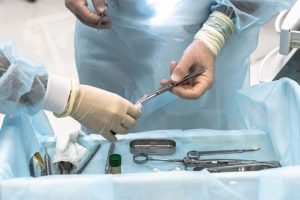
    The bone grafting procedure is a critical step in the bone grafting healing process explained to patients undergoing this treatment. Typically performed by a skilled oral surgeon or dental specialist, the procedure involves the careful placement of bone material into the affected area to promote new bone growth and support the surrounding structures. This process is essential for patients who require additional bone density for dental implants or other restorative needs. The bone grafting healing process explained to patients often highlights the importance of this procedure in achieving successful outcomes and ensuring long-term oral health.

    Post-Surgery Recovery Timeline

    Understanding the bone grafting healing process explained involves recognizing the typical recovery timeline that patients may experience. Initially, patients can expect some swelling and discomfort, which generally subsides within a few days. Over the following weeks, the body begins to integrate the graft material, a crucial phase in the bone grafting healing process explained. This integration can take several months, during which regular follow-up appointments are essential to monitor progress. Complete healing and bone regeneration may take anywhere from three to nine months, depending on individual health factors and the specific area treated.

    Potential Risks and Complications

    In the bone grafting healing process explained, it’s important to be aware of potential risks and complications that may arise. While many patients experience a smooth recovery, some may encounter issues such as infection, graft rejection, or delayed healing. Swelling, pain, and bruising are common but typically subside with time. In rare cases, nerve damage or complications related to anesthesia can occur. Understanding these possibilities is crucial for anyone considering or undergoing the bone grafting healing process.

    Signs of Successful Healing

    In the bone grafting healing process explained, recognizing signs of successful healing is crucial for patients. Typically, these signs include a reduction in swelling and discomfort, indicating that the body is accepting the graft. Gradual improvement in function and stability in the affected area also suggests positive progress. Over time, patients may notice increased strength and the ability to perform daily activities with greater ease, which are encouraging indicators that the bone graft is integrating well with the existing bone structure. Regular follow-ups with healthcare professionals can further confirm that the healing process is on track.

    Long-Term Care and Maintenance

    In the bone grafting healing process explained, long-term care and maintenance play a crucial role in ensuring the success and longevity of the graft. Patients should be aware that maintaining oral hygiene and attending regular dental check-ups are essential components of this process. Over time, the integration of the graft with the natural bone can be influenced by various factors, including overall health and lifestyle choices. Understanding the importance of ongoing care helps in preserving the results achieved through the bone grafting procedure.

    Conclusion

    For more information on the bone grafting healing process explained, call (714) 786-8693 or read reviews on Google Maps.

    Kirsten Brazil

    August 26, 2025
  • Bone Grafting for Jawbone Loss: Restoring Strength and Structure

    Bone Grafting for Jawbone Loss: Restoring Strength and Structure

    What is bone grafting for jawbone loss, and how does it help in restoring strength and structure? Bone grafting for jawbone loss involves transplanting bone tissue to repair and rebuild the jaw, providing a foundation for dental implants and improving overall oral health.

    Bone Grafting for Jawbone Loss

    Understanding the causes of jawbone loss is crucial when considering bone grafting for jawbone loss. Jawbone deterioration can occur due to various factors, including tooth loss, periodontal disease, and trauma. When teeth are missing, the jawbone may begin to resorb or shrink over time, leading to a weakened structure. Periodontal disease can also contribute to bone loss as it affects the supporting structures of the teeth. Trauma or injury to the jaw can further exacerbate this condition, making it essential to address these underlying issues.

    For those exploring bone grafting for jawbone loss, understanding the different types and materials used in the procedure is beneficial. Bone grafting involves using various materials to stimulate new bone growth and restore the jaw’s strength and structure. To learn more about the options available, you can explore Bone Grafting Types and Materials: Which Option Is Best for You?. This knowledge can help individuals make informed decisions about their oral health and the potential benefits of bone grafting procedures.

    Types of Bone Grafting Procedures

    Bone grafting for jawbone loss is a crucial procedure that helps restore the strength and structure of the jaw. There are several types of bone grafting procedures, each tailored to address specific needs and conditions. Autografts involve using bone from the patient’s own body, often harvested from areas like the hip or chin. This type of graft is highly effective due to its compatibility with the patient’s body. Allografts, on the other hand, use bone from a donor, which is processed and sterilized to ensure safety and effectiveness. Xenografts utilize bone from animals, typically cows, and are treated to be safe for human use.

    Another option is synthetic bone grafts, which are created from biocompatible materials designed to mimic natural bone properties. These synthetic options can be particularly useful when natural bone sources are limited. Each type of bone grafting for jawbone loss has its unique benefits and considerations, making it essential to choose the right one based on individual needs and medical advice. For more information on the various options available, visit our page on Bone Grafting Procedures Yorba Linda.

    Benefits of Bone Grafting

    Bone grafting for jawbone loss offers numerous benefits, primarily by restoring the strength and structure of the jaw. This procedure is essential for individuals experiencing jawbone deterioration, as it helps regenerate lost bone tissue, providing a stable foundation for future dental work. By enhancing the jaw’s integrity, bone grafting can improve oral health and function, contributing to better overall well-being. Additionally, it can prevent further bone loss and maintain facial aesthetics, ensuring a more youthful appearance.

    Bone Grafting Materials Overview

    Bone grafting for jawbone loss involves using various materials to restore the strength and structure of the jaw. These materials can be sourced from the patient’s own body, known as autografts, or from other sources such as allografts, xenografts, and synthetic options. Each type of material has unique properties that contribute to the healing process and integration with existing bone. Understanding these materials is crucial for anyone considering bone grafting procedures. For more information on bone grafting for jawbone loss, visit Dentique, your trusted Yorba Linda Dentist.

    Healing Process After Grafting

    The healing process after bone grafting for jawbone loss is a crucial phase that involves the integration of the graft material with the existing bone structure. This period can vary depending on individual health factors and the extent of the grafting procedure. During this time, the body works to regenerate bone tissue, gradually restoring strength and structure to the affected area. Proper care and monitoring are essential to ensure successful healing and optimal results, as the new bone forms a solid foundation for future dental procedures or natural function.

    Risks and Complications of Grafting

    Bone grafting for jawbone loss is a common procedure, but like any surgical intervention, it carries potential risks and complications. Patients may experience infection, bleeding, or swelling at the graft site. There is also a possibility of graft rejection or failure, where the new bone does not integrate properly with the existing jawbone. Nerve damage, though rare, can occur, leading to temporary or permanent numbness in the affected area. Additionally, some individuals may have an allergic reaction to the materials used in the grafting process. It is important to be aware of these potential issues when considering bone grafting for jawbone loss.

    Comparing Autografts and Allografts

    In the realm of bone grafting for jawbone loss, understanding the differences between autografts and allografts is crucial. Autografts involve using bone material harvested from the patient’s own body, often from areas like the hip or chin, which can promote natural integration and healing. On the other hand, allografts utilize bone from a donor, typically processed to ensure safety and compatibility. Each method has its own set of advantages and considerations, making them viable options for addressing jawbone loss and restoring structural integrity.

    Role of Bone Grafting in Dentistry

    Bone grafting for jawbone loss plays a crucial role in dentistry by providing a foundation for restoring the strength and structure of the jaw. This procedure is essential when the jawbone has deteriorated due to tooth loss, gum disease, or trauma, as it helps regenerate bone tissue and maintain the integrity of the dental arch. By addressing jawbone loss, bone grafting supports the placement of dental implants and ensures the stability of existing teeth, ultimately contributing to improved oral health and function.

    Future Advances in Bone Grafting

    The field of bone grafting for jawbone loss is continuously evolving, with future advances promising to enhance treatment outcomes significantly. Researchers are exploring innovative materials and techniques that could improve the integration and longevity of grafts, potentially leading to more effective restoration of jawbone strength and structure. These advancements may include the development of bioengineered grafts and the use of cutting-edge technologies to optimize the healing process. As the understanding of bone biology deepens, these innovations hold the potential to transform the landscape of bone grafting for jawbone loss, offering new hope for patients seeking to restore their oral health.

    Kirsten Brazil

    August 26, 2025
  • Bone Grafting Types and Materials: Which Option Is Best for You?

    Bone Grafting Types and Materials: Which Option Is Best for You?

    Are you curious about bone grafting types and materials and which option might be best for you? Bone grafting involves various types and materials, each with unique properties and applications, and the best choice depends on individual needs and medical conditions. Understanding these options can help in making informed decisions with your healthcare provider.

    Bone Grafting Types and Materials

    Understanding the causes of jawbone loss is crucial when considering bone grafting types and materials. Jawbone deterioration can occur due to various factors, including tooth loss, periodontal disease, and trauma. When teeth are missing, the jawbone may begin to resorb over time, leading to a decrease in bone density. Periodontal disease can also contribute to bone loss as it affects the supporting structures of the teeth. Additionally, injuries or trauma to the jaw can result in bone damage, necessitating the need for grafting procedures.

    Exploring bone grafting types and materials becomes essential when addressing these issues. The choice of grafting material can depend on the extent of bone loss and the specific needs of the patient. For those interested in understanding more about the effectiveness of these procedures, the article on Bone Grafting Success Rate in Dentistry: What Research Reveals provides valuable insights. By examining the underlying causes of jawbone loss, individuals can better appreciate the role of bone grafting in restoring oral health.

    Types of Bone Grafts

    Bone grafting types and materials play a crucial role in the success of various dental and orthopedic procedures. The primary types of bone grafts include autografts, allografts, xenografts, and synthetic grafts. Autografts are harvested from the patient’s own body, often from the hip or another bone-rich area, providing a high success rate due to their biocompatibility. Allografts, on the other hand, are sourced from a donor, typically a cadaver, and are processed to ensure safety and compatibility. Xenografts are derived from animal sources, such as bovine or porcine bones, and are treated to be safe for human use. Synthetic grafts are man-made materials designed to mimic natural bone properties and promote bone regeneration.

    Each type of bone graft offers unique benefits and considerations, making it essential to understand the differences when exploring bone grafting types and materials. Factors such as the patient’s health, the specific medical condition, and the desired outcome can influence the choice of graft material. For those seeking more information on bone grafting options in Yorba Linda, consider visiting our page on Quality Bone Grafting Yorba Linda for further insights.

    Autograft vs. Allograft

    When exploring bone grafting types and materials, understanding the differences between autografts and allografts is essential. Autografts involve using bone from the patient’s own body, typically harvested from areas like the pelvis or ribs, which can offer compatibility benefits. In contrast, allografts are sourced from a donor, often through a bone bank, and are processed to ensure safety and sterility. Each option has its unique characteristics and potential applications, making them integral components of the broader spectrum of bone grafting types and materials.

    Bone Grafting Procedure Steps

    The bone grafting procedure involves several key steps to ensure successful integration and healing. Initially, the area is prepared by making an incision to expose the bone defect. The chosen bone grafting types and materials are then carefully placed into the site to promote new bone growth. Once positioned, the graft is secured, and the incision is closed with sutures. Over time, the graft material integrates with the existing bone, providing a stable foundation for future dental work. For more information on bone grafting types and materials, you can visit Dentique, your trusted Yorba Linda Dentist.

    Recovery and Healing Process

    The recovery and healing process following a bone graft can vary depending on the type of graft and materials used. Generally, patients can expect a period of rest and limited activity to allow the graft to integrate with the existing bone structure. Swelling and discomfort are common initially, but these symptoms typically subside as healing progresses. The body gradually incorporates the graft material, promoting new bone growth and strengthening the affected area. Regular follow-up appointments with a healthcare provider are essential to monitor the healing process and ensure successful integration of the graft.

    Risks and Complications

    When considering bone grafting types and materials, it’s important to be aware of potential risks and complications that may arise during or after the procedure. Common issues can include infection, rejection of the graft, or delayed healing. The choice of bone grafting types and materials can also influence the likelihood of these complications, as different materials may interact with the body in various ways. Additionally, there is a risk of nerve damage or prolonged pain at the graft site. Understanding these potential risks is crucial for anyone considering bone grafting procedures.

    Success Rates and Outcomes

    When considering bone grafting types and materials, understanding the success rates and outcomes is crucial for informed decision-making. Generally, the success of bone grafting procedures depends on various factors, including the type of graft material used, the patient’s overall health, and the specific condition being treated. Autografts, allografts, xenografts, and synthetic options each have their own success rates, with autografts often noted for higher integration due to their biological compatibility. However, advancements in technology and materials have improved the outcomes of other bone grafting types and materials, making them viable options for many patients. Overall, the choice of grafting material can significantly influence the healing process and long-term results.

    Cost and Insurance Coverage

    When considering bone grafting types and materials, understanding the cost and insurance coverage is crucial. The expenses associated with bone grafting can vary significantly depending on the type of procedure and materials used. Some insurance plans may cover part or all of the costs, but this often depends on the specific policy and the medical necessity of the procedure. It’s important to consult with your insurance provider to determine what aspects of bone grafting types and materials are covered under your plan, as this can greatly influence your decision-making process.

    Future Advances in Bone Grafting

    As the field of bone grafting continues to evolve, future advances are set to revolutionize the way bone grafting types and materials are utilized in medical procedures. Researchers are exploring innovative techniques and materials that promise to enhance the effectiveness and safety of bone grafts. These advancements may include the development of bioengineered materials that mimic natural bone properties more closely, as well as the integration of cutting-edge technologies like 3D printing to create customized grafts tailored to individual patient needs. Such progress holds the potential to significantly improve patient outcomes and expand the possibilities within the realm of bone grafting.

    Conclusion

    Exploring the various bone grafting types and materials can be crucial for your health journey; for more information, call us at (714) 786-8693 or check out our Google Maps reviews.

    Kirsten Brazil

    August 26, 2025
  • Bone Grafting Success Rate in Dentistry: What Research Reveals

    Bone Grafting Success Rate in Dentistry: What Research Reveals

    What is the bone grafting success rate in dentistry, and what does research reveal about its effectiveness? Studies indicate that the success rate is generally high, with various factors influencing outcomes, such as the type of graft material used and patient health. Ongoing research continues to refine techniques and improve results in dental bone grafting.

    Bone Grafting Success Rate in Dentistry

    Understanding the causes of jawbone loss is crucial when discussing the bone grafting success rate in dentistry. Jawbone loss can occur due to various factors, including periodontal disease, tooth extraction, and trauma. Periodontal disease, a common cause, leads to the deterioration of the supporting structures of the teeth, ultimately affecting the jawbone. Tooth extraction without timely replacement can also result in bone resorption, as the absence of a tooth root means the bone is no longer stimulated and begins to deteriorate. Additionally, trauma from accidents or injuries can lead to significant bone loss, necessitating interventions like bone grafting.

    The bone grafting success rate in dentistry is often influenced by the underlying causes of jawbone loss. For instance, addressing periodontal disease or replacing missing teeth promptly can help maintain bone density and improve outcomes. For those considering dental implants, understanding these causes is essential, as a strong jawbone foundation is critical for implant success. For more information on how bone grafting supports dental implants, you can explore Bone Grafting for Dental Implants: Building a Strong Foundation.

    Types of Bone Grafts

    Bone grafting success rate in dentistry is influenced by the type of bone graft used. Autografts, which involve using bone from the patient’s own body, are often considered the gold standard due to their high compatibility and success rates. Allografts, sourced from a donor, are another common option and are processed to ensure safety and effectiveness. Xenografts, derived from animal sources, and alloplasts, which are synthetic materials, offer alternative solutions depending on the specific needs of the patient.

    Each type of bone graft has its own set of advantages and potential drawbacks, impacting the overall bone grafting success rate in dentistry. The choice of graft depends on various factors, including the patient’s health, the location of the graft, and the desired outcome. For those interested in exploring more about bone grafting options, Yorba Linda Bone Grafting Solutions provides further insights into the different types available.

    Autograft vs. Allograft

    When considering the bone grafting success rate in dentistry, it’s essential to understand the differences between autografts and allografts. Autografts, which involve using bone from the patient’s own body, are often favored for their compatibility and reduced risk of rejection. On the other hand, allografts, sourced from a donor, offer the advantage of eliminating the need for a second surgical site. Research indicates that both methods can achieve high success rates, though individual outcomes may vary based on factors such as patient health and the specific dental procedure involved.

    Bone Grafting Procedure Steps

    The bone grafting procedure in dentistry typically involves several key steps to ensure optimal results. Initially, the dentist will assess the area requiring the graft and prepare it by cleaning and removing any damaged tissue. Next, the graft material, which can be sourced from the patient, a donor, or synthetic materials, is carefully placed into the prepared site. The area is then secured and covered to promote healing and integration with the existing bone. Over time, the graft material will fuse with the natural bone, providing a stable foundation for future dental work. Understanding these steps is crucial when considering the bone grafting success rate in dentistry. For more information, you can visit Dentique, your trusted Yorba Linda Dentist.

    Recovery and Healing Process

    The recovery and healing process is a crucial aspect of understanding the bone grafting success rate in dentistry. After a bone graft procedure, patients typically experience a period of healing that can vary depending on individual health factors and the complexity of the surgery. During this time, the body works to integrate the graft material with the existing bone, which is essential for achieving a successful outcome. Monitoring and managing the healing process is vital to ensure that the graft stabilizes and supports future dental procedures effectively. The bone grafting success rate in dentistry is often linked to how well the recovery phase is managed, highlighting the importance of following post-operative care instructions provided by dental professionals.

    Risks and Complications

    When considering the bone grafting success rate in dentistry, it’s important to acknowledge the potential risks and complications associated with the procedure. While generally safe, some patients may experience issues such as infection, graft rejection, or prolonged healing times. Additionally, there can be complications related to the donor site, if applicable, including pain or swelling. Understanding these risks is crucial for both patients and dental professionals when evaluating the overall success rate of bone grafting in dental applications.

    Success Rates and Outcomes

    The bone grafting success rate in dentistry is a critical factor for patients and practitioners alike, as it directly impacts the effectiveness of dental implants and other restorative procedures. Research indicates that the success rates for bone grafting in dentistry are generally high, with outcomes largely dependent on factors such as the patient’s overall health, the type of graft material used, and the specific dental condition being treated. Studies have shown that when performed under optimal conditions, bone grafting can achieve success rates upwards of 90%, leading to improved oral health and functionality for patients.

    Cost and Insurance Coverage

    When considering the bone grafting success rate in dentistry, it’s important to also understand the financial aspects involved. The cost of bone grafting procedures can vary significantly based on factors such as the complexity of the case and geographic location. While some dental insurance plans may cover a portion of the procedure, coverage often depends on the specific policy and the medical necessity of the graft. Patients are encouraged to consult with their insurance providers to determine the extent of coverage available for bone grafting procedures, as this can impact the overall affordability and accessibility of achieving successful outcomes in dental treatments.

    Future Advances in Bone Grafting

    The bone grafting success rate in dentistry is poised for significant improvements as future advances in technology and materials continue to evolve. Researchers are exploring innovative techniques such as 3D printing and bioactive materials that could enhance the integration and longevity of bone grafts. Additionally, advancements in stem cell therapy and tissue engineering hold promise for more effective and predictable outcomes. These developments aim to optimize the healing process and improve the overall success rate of bone grafting procedures, potentially transforming the landscape of dental restoration and rehabilitation.

    Conclusion

    For more insights on the bone grafting success rate in dentistry, call us at (714) 786-8693 or check out our Google reviews.

    Kirsten Brazil

    August 26, 2025

Dentique

Proudly making smiles brighter in the Yorba Linda area.

Book An Appointment

Contact

16960 Bastanchury Rd Suite B, Yorba Linda, CA 92886, United States

(714) 986-1699

Services

  • Cosmetic Dentistry

  • General Dentistry

  • Restorative Dentistry

Locations

Yorba
Brea
Placentia

Hours

Monday: Closed
Tuesday: 9 AM–5 PM
Wednesday: 9 AM–5 PM
Thursday: 11 AM–7 PM
Friday: Closed
Saturday: 8 AM–2 PM
Sunday: Closed

© 2026 Dentique. Website managed by DDS MediaPro.