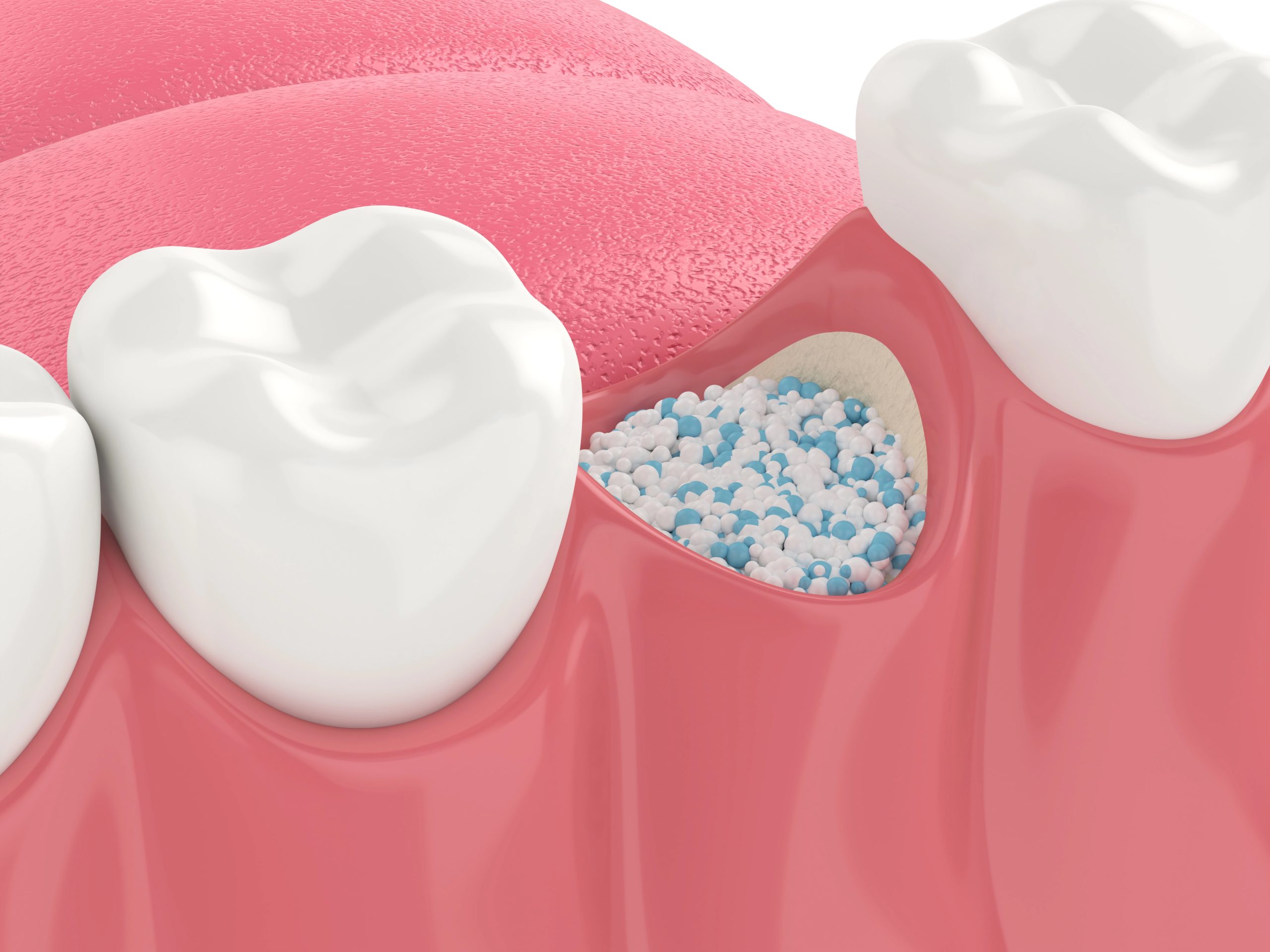
What is bone grafting for jawbone loss, and how does it help in restoring strength and structure? Bone grafting for jawbone loss involves transplanting bone tissue to repair and rebuild the jaw, providing a foundation for dental implants and improving overall oral health.
Bone Grafting for Jawbone Loss
Understanding the causes of jawbone loss is crucial when considering bone grafting for jawbone loss. Jawbone deterioration can occur due to various factors, including tooth loss, periodontal disease, and trauma. When teeth are missing, the jawbone may begin to resorb or shrink over time, leading to a weakened structure. Periodontal disease can also contribute to bone loss as it affects the supporting structures of the teeth. Trauma or injury to the jaw can further exacerbate this condition, making it essential to address these underlying issues.
For those exploring bone grafting for jawbone loss, understanding the different types and materials used in the procedure is beneficial. Bone grafting involves using various materials to stimulate new bone growth and restore the jaw’s strength and structure. To learn more about the options available, you can explore Bone Grafting Types and Materials: Which Option Is Best for You?. This knowledge can help individuals make informed decisions about their oral health and the potential benefits of bone grafting procedures.
Types of Bone Grafting Procedures
Bone grafting for jawbone loss is a crucial procedure that helps restore the strength and structure of the jaw. There are several types of bone grafting procedures, each tailored to address specific needs and conditions. Autografts involve using bone from the patient’s own body, often harvested from areas like the hip or chin. This type of graft is highly effective due to its compatibility with the patient’s body. Allografts, on the other hand, use bone from a donor, which is processed and sterilized to ensure safety and effectiveness. Xenografts utilize bone from animals, typically cows, and are treated to be safe for human use.
Another option is synthetic bone grafts, which are created from biocompatible materials designed to mimic natural bone properties. These synthetic options can be particularly useful when natural bone sources are limited. Each type of bone grafting for jawbone loss has its unique benefits and considerations, making it essential to choose the right one based on individual needs and medical advice. For more information on the various options available, visit our page on Bone Grafting Procedures Yorba Linda.
Benefits of Bone Grafting
Bone grafting for jawbone loss offers numerous benefits, primarily by restoring the strength and structure of the jaw. This procedure is essential for individuals experiencing jawbone deterioration, as it helps regenerate lost bone tissue, providing a stable foundation for future dental work. By enhancing the jaw’s integrity, bone grafting can improve oral health and function, contributing to better overall well-being. Additionally, it can prevent further bone loss and maintain facial aesthetics, ensuring a more youthful appearance.
Bone Grafting Materials Overview
Bone grafting for jawbone loss involves using various materials to restore the strength and structure of the jaw. These materials can be sourced from the patient’s own body, known as autografts, or from other sources such as allografts, xenografts, and synthetic options. Each type of material has unique properties that contribute to the healing process and integration with existing bone. Understanding these materials is crucial for anyone considering bone grafting procedures. For more information on bone grafting for jawbone loss, visit Dentique, your trusted Yorba Linda Dentist.
Healing Process After Grafting
The healing process after bone grafting for jawbone loss is a crucial phase that involves the integration of the graft material with the existing bone structure. This period can vary depending on individual health factors and the extent of the grafting procedure. During this time, the body works to regenerate bone tissue, gradually restoring strength and structure to the affected area. Proper care and monitoring are essential to ensure successful healing and optimal results, as the new bone forms a solid foundation for future dental procedures or natural function.
Risks and Complications of Grafting
Bone grafting for jawbone loss is a common procedure, but like any surgical intervention, it carries potential risks and complications. Patients may experience infection, bleeding, or swelling at the graft site. There is also a possibility of graft rejection or failure, where the new bone does not integrate properly with the existing jawbone. Nerve damage, though rare, can occur, leading to temporary or permanent numbness in the affected area. Additionally, some individuals may have an allergic reaction to the materials used in the grafting process. It is important to be aware of these potential issues when considering bone grafting for jawbone loss.
Comparing Autografts and Allografts
In the realm of bone grafting for jawbone loss, understanding the differences between autografts and allografts is crucial. Autografts involve using bone material harvested from the patient’s own body, often from areas like the hip or chin, which can promote natural integration and healing. On the other hand, allografts utilize bone from a donor, typically processed to ensure safety and compatibility. Each method has its own set of advantages and considerations, making them viable options for addressing jawbone loss and restoring structural integrity.
Role of Bone Grafting in Dentistry
Bone grafting for jawbone loss plays a crucial role in dentistry by providing a foundation for restoring the strength and structure of the jaw. This procedure is essential when the jawbone has deteriorated due to tooth loss, gum disease, or trauma, as it helps regenerate bone tissue and maintain the integrity of the dental arch. By addressing jawbone loss, bone grafting supports the placement of dental implants and ensures the stability of existing teeth, ultimately contributing to improved oral health and function.
Future Advances in Bone Grafting
The field of bone grafting for jawbone loss is continuously evolving, with future advances promising to enhance treatment outcomes significantly. Researchers are exploring innovative materials and techniques that could improve the integration and longevity of grafts, potentially leading to more effective restoration of jawbone strength and structure. These advancements may include the development of bioengineered grafts and the use of cutting-edge technologies to optimize the healing process. As the understanding of bone biology deepens, these innovations hold the potential to transform the landscape of bone grafting for jawbone loss, offering new hope for patients seeking to restore their oral health.