Skip to content

16960 Bastanchury Rd Suite B, Yorba Linda, CA 92886, United States

(714) 986-1699

Dentique
  • About
    • Meet Our Doctor
    • Our Office
    • Blog
  • Services
    • General Dentistry
      • Dental Cleanings & Exams
      • Tooth Fillings
      • Pediatric Dentistry
      • Tooth Extractions
      • Sedation Dentistry
      • Wisdom Teeth Removal
    • Restorative Dentistry
      • Dental Implants
      • Dental Crowns
      • Dental Bridges
      • Dentures
      • Porcelain Inlays & Onlays
      • Root Canal Therapy
    • Cosmetic Dentistry
      • Veneers
      • Teeth Whitening
      • Invisalign
      • Cosmetic Bonding
    • Periodontal
      • Gum Disease Treatment
      • Scaling & Root Planing
    • TMJ
      • TMJ Botox
    • Emergency Dentistry
    • Sleep Apnea Treatment
  • Financing
  • Contact
Book An Appointment
  • TMJ Treatment Near Me: How to Find the Right Specialist for Jaw Pain

    TMJ Treatment Near Me: How to Find the Right Specialist for Jaw Pain

    Are you searching for “TMJ treatment near me” to alleviate your jaw pain? Finding the right specialist involves understanding your symptoms and exploring local healthcare options.

    TMJ treatment near me

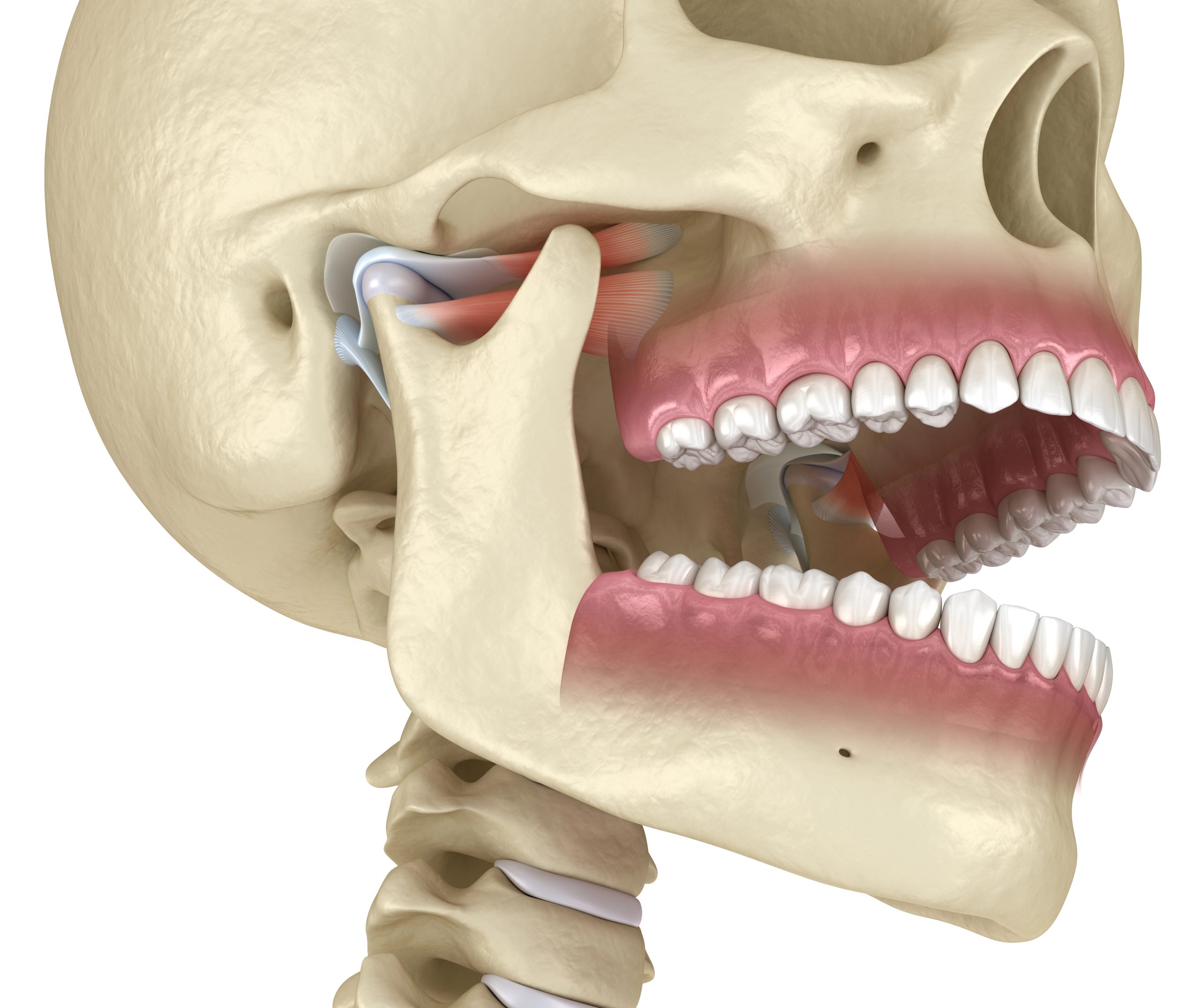
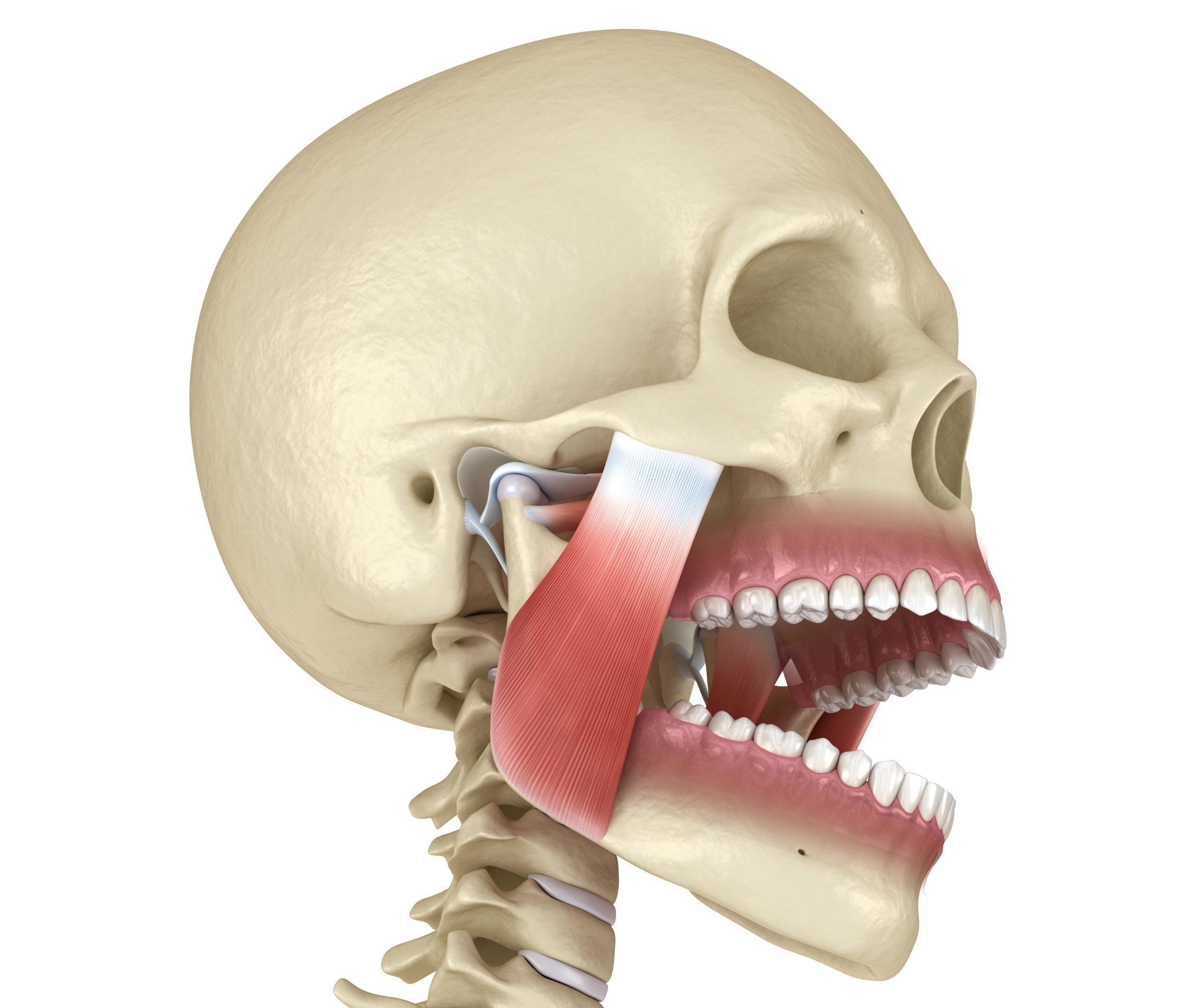
    Understanding TMJ disorders is crucial for anyone experiencing jaw pain or discomfort. The temporomandibular joint (TMJ) connects your jawbone to your skull, and any dysfunction in this area can lead to a range of symptoms, including pain, clicking sounds, or difficulty in moving the jaw. When searching for TMJ treatment near me, it’s important to recognize that these disorders can vary significantly in severity and impact on daily life.

    Many individuals seek TMJ treatment near me to alleviate the discomfort associated with these disorders. While the exact cause of TMJ disorders can be complex, understanding the condition is the first step toward finding relief. For those interested in exploring more about treatment options, consider visiting our page on Affordable TMJ Therapy Options That Actually Work.

    TMJ Treatment Near Me

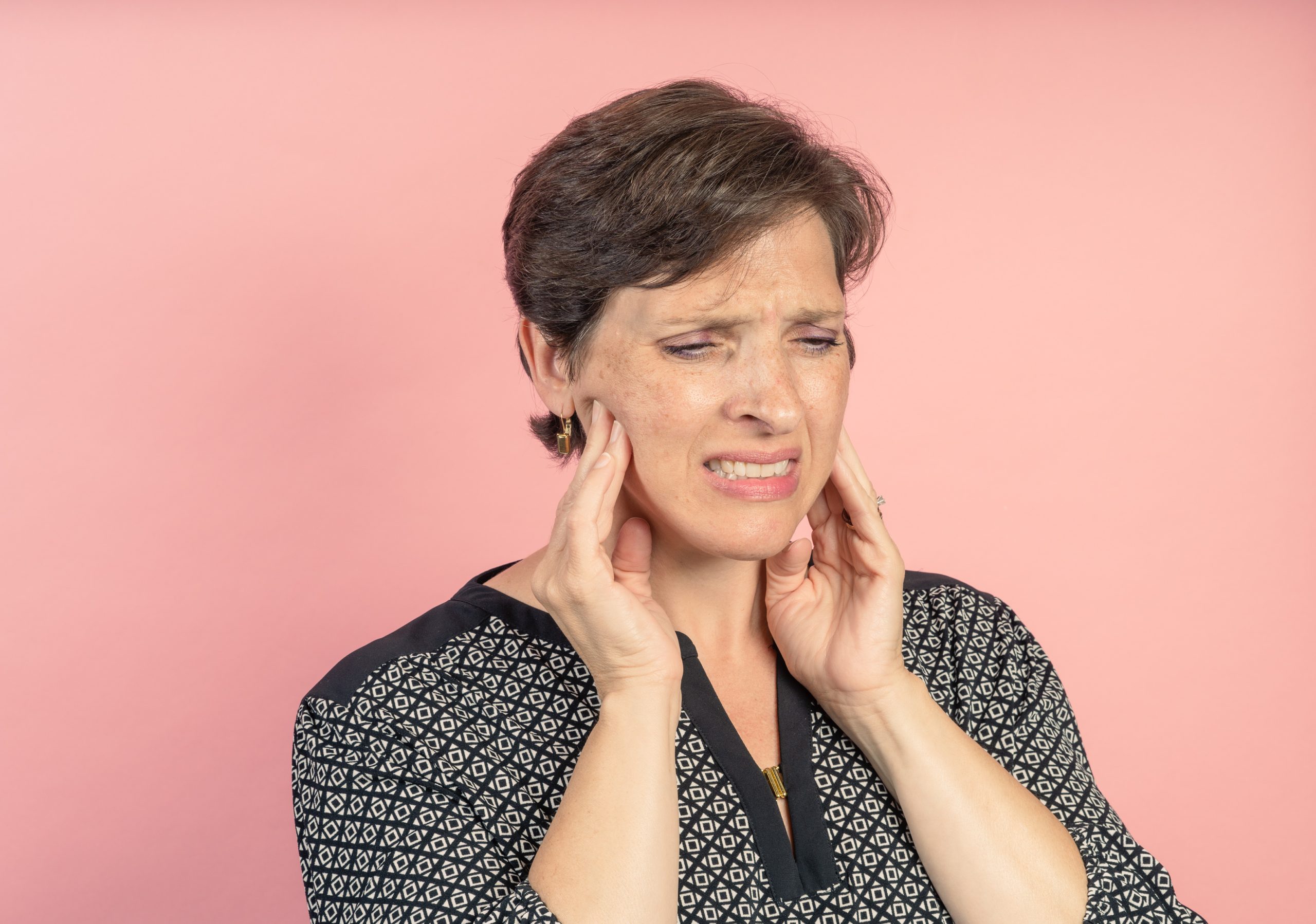
    Jaw pain can manifest in various ways, often making it difficult to pinpoint the exact cause without professional evaluation. Common symptoms include persistent discomfort in the jaw area, difficulty chewing, and a noticeable clicking or popping sound when opening or closing the mouth. Some individuals may also experience headaches, earaches, or even neck pain, which can be indirectly related to jaw issues.

    If you’re experiencing any of these symptoms, it’s important to consider seeking professional help. Finding the right specialist for TMJ treatment near me can be crucial in addressing these concerns effectively. For those located in Yorba Linda, you can explore options for TMJ Treatment Yorba Linda to find a suitable solution for your jaw pain.

    Importance of Professional Diagnosis

    Seeking a professional diagnosis for TMJ disorders is crucial in understanding the underlying causes of jaw pain and ensuring appropriate treatment. A qualified specialist can accurately assess the condition, distinguishing it from other potential issues that may present similar symptoms. This comprehensive evaluation is essential for developing an effective treatment plan tailored to the individual’s specific needs, ultimately improving quality of life and preventing further complications.

    Types of TMJ Specialists

    When searching for “TMJ treatment near me,” it’s important to understand the different types of specialists who can address jaw pain. Oral and maxillofacial surgeons are experts in surgical procedures related to the face and jaw, while orthodontists focus on correcting misalignments that may contribute to TMJ disorders. Dentists with a focus on TMJ disorders can provide non-surgical treatments and therapies. Additionally, physical therapists may offer exercises to improve jaw function. For those in the Yorba Linda area, Dentique is a trusted Yorba Linda Dentist that can help guide you in finding the right specialist for your needs.

    Evaluating Specialist Credentials

    When searching for “TMJ treatment near me,” it’s essential to consider the credentials of potential specialists. Look for professionals with relevant certifications and a strong educational background in treating temporomandibular joint disorders. Checking for affiliations with reputable medical organizations can also provide insight into their expertise and commitment to staying updated with the latest advancements in TMJ treatment.

    Questions to Ask Specialists

    When searching for “TMJ treatment near me,” it’s essential to engage with potential specialists by asking the right questions to ensure they are well-suited to address your jaw pain. Inquire about their experience with TMJ disorders, the types of treatments they offer, and their approach to managing jaw pain. Understanding their qualifications and treatment philosophy can help you feel more confident in your choice of specialist. Additionally, ask about the expected duration of treatment and any follow-up care that may be necessary.

    Treatment Options Overview

    When searching for “TMJ treatment near me,” it’s important to understand the variety of treatment options available for managing jaw pain. These options can range from non-invasive therapies such as physical therapy and stress management techniques to more involved procedures like dental splints or orthodontic adjustments. In some cases, medication may be prescribed to alleviate pain and inflammation. Each treatment plan is tailored to the individual’s specific needs, ensuring a comprehensive approach to addressing TMJ disorders.

    Role of Imaging in Diagnosis

    When searching for “TMJ treatment near me,” understanding the role of imaging in diagnosis is crucial. Imaging techniques, such as X-rays, MRIs, and CT scans, play a vital role in accurately diagnosing temporomandibular joint disorders. These advanced imaging methods provide detailed views of the jaw structure, helping specialists identify any abnormalities or issues contributing to jaw pain. By utilizing these diagnostic tools, healthcare professionals can better understand the underlying causes of TMJ disorders, ensuring a more targeted approach to treatment.

    Follow-Up Care Essentials

    After finding the right specialist for TMJ treatment near me, understanding the importance of follow-up care is crucial for managing jaw pain effectively. Regular follow-up appointments allow the specialist to monitor progress and make necessary adjustments to the treatment plan. This ongoing care ensures that any changes in symptoms are addressed promptly, helping to maintain optimal jaw function and comfort. Consistent follow-up care is a key component in achieving long-term relief from TMJ-related discomfort.

    Conclusion

    For those seeking TMJ treatment near me, call (714) 786-8693 or check out the reviews on Google Maps to learn more.

    Kirsten Brazil

    September 24, 2025
  • Affordable TMJ Therapy Options That Actually Work

    Affordable TMJ Therapy Options That Actually Work

    Are you searching for affordable TMJ therapy options that actually work? Affordable TMJ therapy options can provide relief through various approaches that focus on reducing pain and improving jaw function. Exploring these options may lead to effective management of TMJ symptoms without breaking the bank.

    Affordable TMJ Therapy Options

    Understanding TMJ disorders is crucial for those seeking affordable TMJ therapy options. The temporomandibular joint (TMJ) connects the jawbone to the skull, and disorders in this area can lead to pain, discomfort, and difficulty in jaw movement. These disorders can arise from various factors, including stress, injury, or arthritis, and can significantly impact daily life. Recognizing the symptoms and understanding the underlying causes is the first step toward finding effective solutions.

    For individuals exploring affordable TMJ therapy options, it’s important to be aware of the different approaches available that do not involve invasive procedures. Many people experience relief through methods that focus on reducing stress and improving jaw function. To learn more about these approaches, consider exploring TMJ Pain Relief Without Surgery: Natural and Non-Invasive Solutions.

    Lifestyle Changes for TMJ Relief

    Adopting certain lifestyle changes can play a significant role in alleviating the discomfort associated with TMJ disorders. Simple adjustments in daily habits, such as maintaining good posture and being mindful of jaw movements, can contribute to reducing strain on the temporomandibular joint. Additionally, incorporating stress-reducing activities into your routine may help in managing symptoms, as stress is often linked to increased tension in the jaw muscles.

    For those seeking professional guidance, consulting with experts can provide valuable insights into effective management strategies. Residents in the area can explore options by visiting Yorba Linda TMJ Specialists for more information on comprehensive treatment approaches.

    Stress Management and TMJ

    Managing stress is a crucial component in addressing TMJ disorders, as stress often exacerbates symptoms like jaw pain and tension. By focusing on stress management techniques, individuals can potentially alleviate some of the discomfort associated with TMJ. Affordable TMJ therapy options often emphasize the importance of reducing stress to help minimize the impact on the jaw muscles and joints. Understanding the connection between stress and TMJ can empower individuals to explore various methods that contribute to overall well-being and potentially reduce TMJ-related issues.

    Dietary Adjustments for TMJ

    Exploring affordable TMJ therapy options can lead to considering dietary adjustments as a natural way to manage symptoms. By focusing on softer foods and avoiding those that require excessive chewing, individuals may find relief from jaw discomfort. This approach can be a simple yet effective component of a broader TMJ management plan. For more information on TMJ therapy, visit Dentique, your trusted Yorba Linda Dentist.

    Physical Therapy for TMJ

    Physical therapy is one of the affordable TMJ therapy options that can help alleviate discomfort associated with temporomandibular joint disorders. By focusing on exercises and techniques designed to improve jaw function and reduce tension, physical therapy aims to address the underlying issues contributing to TMJ pain. This approach can be a cost-effective solution for those seeking relief from TMJ symptoms without resorting to more invasive or expensive treatments.

    Jaw Exercises and TMJ

    Exploring affordable TMJ therapy options can lead to discovering the benefits of jaw exercises in managing discomfort associated with temporomandibular joint disorders. These exercises are designed to improve jaw mobility and reduce tension, potentially alleviating some symptoms of TMJ. By incorporating simple movements into a daily routine, individuals may find relief from stiffness and pain, contributing to overall jaw health. While these exercises are a component of affordable TMJ therapy options, it’s important to consider them as part of a broader approach to managing TMJ-related issues.

    Heat and Cold Therapy

    When exploring affordable TMJ therapy options, heat and cold therapy can be a simple method to consider. This approach involves alternating between applying heat and cold to the affected area, which may help in managing discomfort associated with TMJ disorders. The use of heat can potentially relax the muscles, while cold therapy might reduce swelling and numb sharp pain. As part of affordable TMJ therapy options, this method is often highlighted for its accessibility and ease of use, making it a popular choice for those seeking relief from TMJ symptoms.

    Sleep Position and TMJ

    Exploring affordable TMJ therapy options often leads to a consideration of how sleep position can impact jaw health. The way you position your head and neck during sleep can influence the alignment of your jaw, potentially affecting TMJ symptoms. While individual experiences may vary, understanding the relationship between sleep posture and TMJ discomfort is a key component in identifying effective and affordable TMJ therapy options that actually work.

    Relaxation Techniques for TMJ

    Exploring affordable TMJ therapy options can lead to discovering various relaxation techniques that may help alleviate discomfort associated with TMJ disorders. These techniques often focus on reducing stress and tension in the jaw muscles, which can contribute to the symptoms of TMJ. By incorporating simple relaxation practices into daily routines, individuals may find relief from the persistent pain and discomfort that often accompany TMJ issues.

    Conclusion

    Explore affordable TMJ therapy options that can make a difference in your life; call us today at (714) 786-8693 or read our reviews on Google Maps.

    Kirsten Brazil

    September 24, 2025
  • TMJ Pain Relief Without Surgery: Natural and Non-Invasive Solutions

    TMJ Pain Relief Without Surgery: Natural and Non-Invasive Solutions

    Are you seeking TMJ pain relief without surgery? Discover how natural and non-invasive solutions can provide comfort and alleviate discomfort associated with TMJ disorders.

    TMJ Pain Relief Without Surgery

    Understanding TMJ Disorder is crucial for those seeking TMJ pain relief without surgery. The temporomandibular joint (TMJ) connects the jawbone to the skull and plays a vital role in daily activities such as speaking and chewing. When this joint is not functioning properly, it can lead to discomfort and pain, often referred to as TMJ disorder. This condition can manifest through symptoms like jaw pain, headaches, and difficulty in moving the jaw, impacting one’s quality of life.

    The causes of TMJ disorder can vary, including factors like stress, arthritis, or injury to the jaw. Understanding these underlying causes is essential for managing the condition effectively. For those experiencing sudden or severe discomfort, it’s important to know how to handle the situation. You can learn more about immediate steps to take by visiting our guide on Emergency TMJ Pain Management: What to Do When Discomfort Strikes.

    Causes of TMJ Pain

    TMJ pain can arise from a variety of factors, making it a complex condition to address. Common causes include jaw injuries, arthritis, and habitual teeth grinding or clenching. Stress is also a significant contributor, as it can lead to increased tension in the jaw muscles. Understanding these underlying causes is crucial for those seeking TMJ pain relief without surgery, as it helps in identifying the root of the discomfort.

    In some cases, TMJ pain may be linked to genetic factors or certain connective tissue diseases that affect the jaw joint. Hormonal changes and poor posture can also exacerbate the condition. For those exploring TMJ pain relief without surgery, recognizing these potential causes is an essential step in managing symptoms effectively. For more information on non-invasive solutions, visit our page on TMJ Relief in Yorba Linda.

    Symptoms of TMJ Dysfunction

    TMJ dysfunction can manifest through a variety of symptoms that may affect daily life. Common indicators include jaw pain or tenderness, difficulty chewing, and a clicking or popping sound when opening or closing the mouth. Some individuals may experience headaches, earaches, or even facial pain. These symptoms can vary in intensity and duration, often leading sufferers to seek TMJ pain relief without surgery. Understanding these symptoms is crucial for identifying the condition and exploring natural and non-invasive solutions.

    Role of Stress in TMJ

    Stress is a significant factor that can exacerbate the symptoms of temporomandibular joint disorders, often leading to increased discomfort and tension in the jaw area. When stress levels rise, individuals may unconsciously clench or grind their teeth, a condition known as bruxism, which can further aggravate TMJ pain. This cycle of stress and physical tension can make it challenging to find TMJ pain relief without surgery, as the underlying emotional triggers need to be addressed alongside physical symptoms. For those seeking more information on managing TMJ pain, Dentique offers insights through their Yorba Linda Dentist services.

    Dietary Considerations for TMJ

    When exploring TMJ pain relief without surgery, it’s important to consider how dietary choices can impact jaw health. Certain foods may exacerbate discomfort, while others might support overall joint function. A balanced diet that minimizes strain on the jaw can be beneficial for those seeking natural and non-invasive solutions. By being mindful of what you consume, you can potentially influence the severity of TMJ symptoms and contribute to a more comfortable daily experience.

    Importance of Posture in TMJ

    Maintaining proper posture plays a crucial role in TMJ pain relief without surgery. The alignment of the head, neck, and shoulders can significantly impact the tension and stress placed on the temporomandibular joint. Poor posture may contribute to muscle strain and exacerbate discomfort, making it essential to be mindful of how one’s body is positioned throughout the day. By understanding the connection between posture and TMJ, individuals can become more aware of how their daily habits might influence their condition, potentially leading to a reduction in symptoms and an improvement in overall well-being.

    Exercises for Jaw Relaxation

    For those seeking TMJ pain relief without surgery, incorporating exercises for jaw relaxation can be beneficial. These exercises focus on gently stretching and relaxing the jaw muscles, which may help alleviate tension and discomfort associated with TMJ disorders. By regularly practicing these movements, individuals might experience a reduction in jaw stiffness and improved mobility, contributing to overall TMJ pain relief without surgery.

    Heat and Cold Therapy Benefits

    For those seeking TMJ pain relief without surgery, heat and cold therapy can be a beneficial approach. Applying heat can help relax the jaw muscles, potentially reducing tension and discomfort. Conversely, cold therapy may help numb the area, decreasing inflammation and providing a soothing effect. By alternating between these therapies, individuals might experience a reduction in TMJ-related symptoms, offering a natural and non-invasive way to manage discomfort.

    Mindfulness and TMJ Management

    Mindfulness can play a significant role in TMJ pain relief without surgery by promoting relaxation and reducing stress, which are often contributing factors to TMJ disorders. By focusing on the present moment and cultivating awareness of one’s thoughts and bodily sensations, individuals may experience a decrease in muscle tension and jaw clenching, which can alleviate discomfort associated with TMJ. This natural approach encourages a holistic understanding of how mental states can influence physical well-being, offering a non-invasive pathway to managing TMJ symptoms effectively.

    Conclusion

    Discover effective TMJ pain relief without surgery by exploring natural and non-invasive solutions. For more information, call (714) 786-8693 or read reviews on Google Maps.

    Kirsten Brazil

    September 24, 2025
  • Emergency TMJ Pain Management: What to Do When Discomfort Strikes

    Emergency TMJ Pain Management: What to Do When Discomfort Strikes

    What steps can you take for emergency TMJ pain management when discomfort strikes unexpectedly? Understanding the basics of TMJ pain can help you identify the issue, and knowing when to seek professional help is crucial for effective relief.

    Emergency TMJ pain management

    Understanding the causes of TMJ pain is crucial for effective emergency TMJ pain management. The temporomandibular joint, or TMJ, connects the jawbone to the skull and can be affected by various factors such as stress, arthritis, or injury. These factors can lead to discomfort, making it essential to recognize the underlying causes to address the pain effectively.

    When discomfort strikes, knowing the potential triggers can help in managing the situation. Stress-induced clenching or grinding of teeth, known as bruxism, is a common cause of TMJ pain. Additionally, misalignment of the teeth or jaw can contribute to the discomfort. For those seeking more information on alleviating jaw tension, consider exploring TMJ Exercises for Jaw Tension: Simple Moves to Ease Your Symptoms.

    Recognizing TMJ Pain Symptoms

    Understanding the symptoms of TMJ pain is crucial for effective emergency TMJ pain management. Common indicators include jaw discomfort, headaches, earaches, and difficulty in opening or closing the mouth. These symptoms can vary in intensity and may be accompanied by a clicking or popping sound when moving the jaw. Recognizing these signs early can help in identifying the need for further evaluation.

    In some cases, TMJ pain may also manifest as facial swelling or tenderness around the jaw area. It’s important to be aware of these symptoms to better understand the condition’s impact on daily activities. For those seeking more information on managing TMJ pain, consider exploring Yorba Linda TMJ Therapy for additional insights and resources.

    Immediate Relief Techniques

    When faced with sudden discomfort, emergency TMJ pain management can be crucial in alleviating symptoms. Simple actions like gently massaging the jaw area or applying a warm compress can help ease tension and provide temporary relief. Practicing controlled breathing and maintaining a relaxed posture may also contribute to reducing stress on the jaw muscles. These immediate relief techniques can be beneficial in managing unexpected TMJ pain episodes effectively.

    When to Seek Medical Help

    In the realm of emergency TMJ pain management, recognizing when to seek medical help is crucial. If you experience persistent jaw pain, difficulty in opening or closing your mouth, or if the discomfort is accompanied by swelling or fever, it may be time to consult a healthcare professional. Severe symptoms that do not improve with initial care warrant immediate attention to prevent further complications. For those in need of expert advice, Dentique, your Yorba Linda Dentist, can provide guidance on the next steps.

    Common Triggers to Avoid

    TMJ pain can be exacerbated by various common triggers that individuals may encounter in their daily lives. Stress is a significant factor, often leading to teeth grinding or clenching, which can intensify discomfort. Poor posture, particularly when using electronic devices, can also contribute to TMJ issues by straining the jaw muscles. Additionally, certain foods that require excessive chewing or are particularly hard can aggravate the condition. It’s important to be mindful of these potential triggers to help manage TMJ pain effectively.

    Stress and TMJ Connection

    Stress is a significant factor that can exacerbate temporomandibular joint (TMJ) disorders, leading to increased discomfort and pain. When stress levels rise, individuals may unconsciously clench their jaw or grind their teeth, actions that can intensify TMJ symptoms. This connection between stress and TMJ pain highlights the importance of understanding how emotional and physical stressors can impact the jaw’s functionality. In situations where emergency TMJ pain management becomes necessary, recognizing the role of stress can be crucial in addressing the underlying causes of discomfort.

    Dietary Considerations for TMJ

    When dealing with emergency TMJ pain management, it’s important to be mindful of dietary choices that may impact jaw discomfort. Consuming softer foods can help minimize strain on the temporomandibular joint, potentially alleviating some of the pressure and pain associated with TMJ disorders. Additionally, avoiding hard or chewy foods might prevent exacerbating the condition, allowing for a more comfortable eating experience during periods of acute discomfort.

    Importance of Rest and Relaxation

    In the context of emergency TMJ pain management, prioritizing rest and relaxation can play a crucial role in alleviating discomfort. Allowing the jaw muscles to relax and minimizing stress can help reduce tension, which is often a contributing factor to TMJ pain. By focusing on creating a calm environment and giving the body time to recuperate, individuals may find that their symptoms become more manageable. Rest and relaxation are essential components in addressing the immediate needs of those experiencing TMJ discomfort, providing a foundation for potential relief.

    Long-term TMJ Pain Management

    When dealing with emergency TMJ pain management, it’s essential to consider long-term strategies to alleviate discomfort and improve overall jaw health. Chronic TMJ issues can significantly impact daily life, making it crucial to explore various approaches that focus on reducing stress on the jaw joint and surrounding muscles. Understanding the underlying causes of TMJ disorders can aid in developing a comprehensive plan that addresses both immediate relief and ongoing management. By prioritizing long-term TMJ pain management, individuals can work towards minimizing flare-ups and enhancing their quality of life over time.

    Conclusion

    For immediate assistance with Emergency TMJ pain management, call us at (714) 786-8693 and check out our Google Maps reviews.

    Kirsten Brazil

    September 24, 2025
  • TMJ Exercises for Jaw Tension: Simple Moves to Ease Your Symptoms

    TMJ Exercises for Jaw Tension: Simple Moves to Ease Your Symptoms

    Are you seeking relief from jaw discomfort with TMJ exercises for jaw tension? These simple movements can help alleviate symptoms by promoting relaxation and improving jaw mobility.

    TMJ Exercises for Jaw Tension

    Understanding TMJ and jaw tension is crucial for those experiencing discomfort in the jaw area. The temporomandibular joint (TMJ) connects your jawbone to your skull, and when it functions improperly, it can lead to pain and tension. This condition can affect daily activities such as eating and speaking, making it important to recognize the symptoms and underlying causes. TMJ exercises for jaw tension can be a helpful way to address these issues by promoting relaxation and improving joint function.

    Jaw tension often arises from stress, misalignment, or other factors that impact the TMJ. Recognizing the difference between TMJ and TMD (temporomandibular disorders) is essential for understanding the scope of the problem. For more information on this topic, you can explore our detailed guide on TMJ vs TMD: What’s the Difference and Why It Matters.

    Causes of Jaw Tension

    Jaw tension can arise from various factors, often leading to discomfort and the need for TMJ exercises for jaw tension. Stress is a common contributor, as it can cause individuals to clench their jaw or grind their teeth unconsciously. This involuntary action puts pressure on the temporomandibular joint, leading to tension and pain. Additionally, poor posture, particularly when sitting for extended periods, can strain the muscles around the jaw, exacerbating tension.

    Another significant cause of jaw tension is misalignment of the teeth or jaw, which can disrupt the natural movement of the temporomandibular joint. This misalignment can lead to uneven pressure distribution, causing discomfort and tension. For those seeking more information on managing jaw tension, visiting TMJ Care Yorba Linda can provide valuable insights into effective treatments and solutions.

    Benefits of Jaw Exercises

    Engaging in TMJ exercises for jaw tension can offer several benefits, including improved jaw mobility and reduced discomfort. These exercises may help alleviate tension by promoting relaxation in the jaw muscles, potentially leading to a decrease in pain and stiffness. Regular practice of TMJ exercises for jaw tension might also enhance overall jaw function, contributing to better oral health and comfort in daily activities such as speaking and eating.

    Breathing Techniques for Relaxation

    Incorporating breathing techniques into your routine can be a beneficial complement to TMJ exercises for jaw tension. Focusing on deep, slow breaths helps to calm the nervous system and may reduce overall muscle tension, including in the jaw area. By practicing mindful breathing, you create a sense of relaxation that can support the effectiveness of your TMJ exercises. For more information on maintaining oral health, visit Dentique, your trusted Yorba Linda Dentist.

    Gentle Jaw Stretching Movements

    Incorporating gentle jaw stretching movements into your routine can be beneficial for those experiencing discomfort. These TMJ exercises for jaw tension focus on easing the muscles around the jaw, promoting relaxation and flexibility. By engaging in these movements, individuals may find relief from the tightness and stiffness often associated with jaw tension. Regular practice of these exercises can contribute to a more comfortable and relaxed jaw, potentially reducing the frequency and intensity of symptoms.

    Neck and Shoulder Relaxation

    Incorporating neck and shoulder relaxation into your routine can complement TMJ exercises for jaw tension, as these areas are often interconnected with jaw discomfort. By focusing on gentle movements and stretches that target the neck and shoulders, you may experience a reduction in overall tension, which can contribute to alleviating symptoms associated with TMJ. This holistic approach can help create a more balanced and relaxed state, potentially easing the strain on your jaw muscles.

    Importance of Posture

    Maintaining proper posture is crucial when considering TMJ exercises for jaw tension. Good posture helps align the body, reducing unnecessary strain on the jaw muscles and joints. When the body is aligned correctly, it can alleviate some of the pressure that contributes to TMJ discomfort. By focusing on posture, individuals may find that their TMJ exercises for jaw tension become more effective, as the body is better positioned to support the jaw’s natural movements.

    Mindfulness and Stress Reduction

    Incorporating mindfulness and stress reduction techniques can complement TMJ exercises for jaw tension, promoting overall relaxation and well-being. By focusing on the present moment and reducing stress, individuals may experience a decrease in muscle tension, which can contribute to alleviating symptoms associated with TMJ disorders. Mindfulness practices encourage a state of calmness that can be beneficial in managing the discomfort often linked with jaw tension.

    When to Seek Professional Help

    While TMJ exercises for jaw tension can be beneficial for many individuals, there are times when professional intervention may be necessary. If you experience persistent pain, difficulty in opening or closing your mouth, or if your symptoms worsen despite trying TMJ exercises for jaw tension, it may be time to consult a healthcare professional. They can provide a comprehensive evaluation and determine the best course of action tailored to your specific needs.

    Conclusion

    Discover the benefits of TMJ exercises for jaw tension and take the first step towards relief by calling (714) 786-8693 or checking out our Google Maps reviews.

    Kirsten Brazil

    September 24, 2025
  • TMJ vs TMD: What’s the Difference and Why It Matters

    TMJ vs TMD: What’s the Difference and Why It Matters

    What is the difference between TMJ and TMD, and why does it matter? TMJ refers to the temporomandibular joint itself, while TMD encompasses disorders affecting this joint. Understanding the distinction is crucial for recognizing symptoms and seeking appropriate care.

    TMJ vs TMD: Understanding TMJ Anatomy

    The distinction between TMJ vs TMD is crucial for understanding the anatomy of the temporomandibular joint (TMJ). This joint connects the jawbone to the skull and plays a vital role in daily functions such as speaking and chewing. The TMJ is a complex structure composed of muscles, ligaments, and bones, all working together to facilitate smooth jaw movement. Any disruption in this system can lead to discomfort or disorders, often referred to as TMD, or temporomandibular disorders.

    When exploring TMJ vs TMD, it’s important to recognize how the anatomy of the TMJ can impact overall oral health. Misalignment or stress on this joint can lead to various symptoms, including pain and restricted movement. Understanding these anatomical components can help in identifying potential issues early on. For more insights into maintaining jaw health, consider reading about TMJ Night Guard Benefits: Protect Your Jaw While You Sleep.

    Defining TMD Disorders

    Temporomandibular disorders (TMD) encompass a range of conditions affecting the temporomandibular joint (TMJ), muscles, and nerves associated with jaw movement. These disorders can lead to symptoms such as jaw pain, difficulty chewing, and a clicking or locking sensation in the jaw. Understanding the difference between TMJ vs TMD is crucial, as TMD refers to the disorder itself, while TMJ is the joint involved.

    The causes of TMD can vary widely, including injury to the jaw, arthritis, or habitual clenching and grinding of teeth. While the terms TMJ vs TMD are often used interchangeably, recognizing that TMD is the broader category of disorders affecting the TMJ can help in understanding the condition better. For those seeking more information on managing these issues, Yorba Linda TMJ Solutions provides valuable insights.

    Common Symptoms of TMJ

    When exploring the topic of TMJ vs TMD, understanding the common symptoms of TMJ is crucial. Individuals with TMJ disorders often experience jaw pain, headaches, and difficulty chewing. Other symptoms may include clicking or popping sounds in the jaw, earaches, and facial pain. These symptoms can vary in intensity and may affect daily activities, highlighting the importance of distinguishing between TMJ and TMD for proper awareness and management.

    Causes of TMD Conditions

    Temporomandibular joint disorders (TMD) can arise from a variety of causes, making it essential to understand the differences in TMJ vs TMD. Common factors contributing to TMD include jaw injuries, arthritis, or habitual teeth grinding, which can lead to inflammation and discomfort in the jaw area. Stress and anxiety may also exacerbate these conditions, as they often result in increased muscle tension around the jaw. For more information on TMJ vs TMD, visit Dentique, your trusted Yorba Linda Dentist.

    Diagnosing TMJ and TMD

    Understanding the distinction between TMJ vs TMD is crucial when it comes to diagnosis. TMJ refers to the temporomandibular joint itself, while TMD encompasses disorders related to this joint. Diagnosing these conditions typically involves a comprehensive evaluation by a healthcare professional, which may include a physical examination of the jaw, assessment of symptoms, and possibly imaging tests to observe the joint’s structure. Recognizing the difference between TMJ vs TMD is essential for identifying the appropriate condition and understanding the underlying causes of jaw pain or dysfunction.

    Impact on Daily Life

    Understanding the difference between TMJ vs TMD is crucial as both can significantly impact daily life. Individuals suffering from these conditions may experience persistent jaw pain, headaches, and difficulty in chewing, which can disrupt routine activities and overall well-being. The discomfort associated with TMJ vs TMD can lead to challenges in speaking, eating, and even sleeping, affecting one’s quality of life. Recognizing the symptoms and understanding the distinction between TMJ vs TMD is essential for managing the impact on daily activities effectively.

    Treatment Options Overview

    When exploring TMJ vs TMD, understanding the treatment options available is crucial for managing symptoms effectively. Both conditions may involve a range of approaches, including lifestyle modifications, physical therapy, and medical interventions. While TMJ refers to the temporomandibular joint itself, TMD encompasses disorders affecting this joint and surrounding muscles. Treatment plans often aim to alleviate pain, improve jaw function, and reduce inflammation. It’s important to consult with healthcare professionals to determine the most appropriate course of action based on individual needs and the specific nature of the TMJ or TMD condition.

    Long-term Effects of TMD

    Understanding the long-term effects of TMD is crucial when discussing TMJ vs TMD. Temporomandibular disorders (TMD) can lead to chronic pain and discomfort, affecting daily activities and overall quality of life. Over time, individuals may experience persistent headaches, jaw pain, and difficulty in chewing or speaking. These symptoms can contribute to stress and anxiety, further exacerbating the condition. Additionally, untreated TMD may result in wear and tear on the teeth and jaw joints, potentially leading to more severe dental issues. Recognizing the distinction between TMJ vs TMD is essential for understanding the potential long-term implications on one’s health.

    Preventive Measures for TMJ

    Understanding the difference between TMJ vs TMD is crucial for maintaining optimal jaw health. While TMJ refers to the temporomandibular joint itself, TMD encompasses disorders affecting this joint. Preventive measures for TMJ focus on maintaining overall jaw health and minimizing stress on the joint. This can involve being mindful of daily habits that may contribute to jaw tension or discomfort. By fostering awareness of these factors, individuals can potentially reduce the risk of developing TMD, ensuring a healthier and more comfortable jaw function over time.

    Kirsten Brazil

    September 24, 2025
  • TMJ Night Guard Benefits: Protect Your Jaw While You Sleep

    TMJ Night Guard Benefits: Protect Your Jaw While You Sleep

    Are you curious about TMJ night guard benefits and how they can protect your jaw while you sleep? These guards can help alleviate jaw tension and prevent teeth grinding, promoting a more restful night’s sleep.

    TMJ Night Guard Benefits

    Understanding TMJ Anatomy is crucial when discussing TMJ night guard benefits. The temporomandibular joint (TMJ) connects your jawbone to your skull, allowing for movements necessary for speaking and chewing. This complex joint can sometimes become misaligned or stressed, leading to discomfort or pain. Understanding the anatomy of the TMJ helps in recognizing how a night guard can alleviate pressure and provide relief during sleep.

    The TMJ’s intricate structure includes muscles, ligaments, and bones that work together harmoniously. When this balance is disrupted, it can lead to various issues, including headaches and jaw pain. For more insights into how these problems are interconnected, you can explore the TMJ and Headaches Connection: How Jaw Issues Might Be Causing Your Pain. By understanding the anatomy and function of the TMJ, one can appreciate the potential TMJ night guard benefits in maintaining jaw health and comfort.

    Defining TMD Symptoms

    Temporomandibular joint disorder (TMD) can manifest through a variety of symptoms that may affect your daily life. Common signs include jaw pain, headaches, earaches, and difficulty in opening or closing the mouth. These symptoms can often be exacerbated during sleep, leading to discomfort and disrupted rest. Understanding these symptoms is crucial in recognizing the potential TMJ night guard benefits, as addressing the root cause can significantly improve your quality of life.

    In addition to pain and discomfort, TMD symptoms might also include clicking or popping sounds in the jaw, facial pain, and even neck or shoulder tension. These issues can contribute to a cycle of pain and stress, impacting overall well-being. For those experiencing such symptoms, exploring options like TMJ night guard benefits can be a step towards relief. To learn more about managing these symptoms, consider visiting our page on TMJ Services in Yorba Linda.

    Causes of TMJ Disorders

    TMJ disorders can arise from various factors, including stress-induced teeth grinding, jaw misalignment, arthritis, or injury to the jaw area. These conditions can lead to discomfort and pain, affecting daily activities and sleep quality. Understanding the causes of TMJ disorders is crucial for recognizing the potential TMJ night guard benefits, as these devices can help alleviate pressure on the jaw and promote better rest.

    Diagnosing TMJ vs TMD

    Understanding the difference between TMJ and TMD is crucial for addressing jaw discomfort effectively. TMJ refers to the temporomandibular joint itself, which connects your jaw to your skull, while TMD, or temporomandibular disorder, encompasses a range of conditions affecting this joint and the surrounding muscles. Accurate diagnosis is essential for identifying the root cause of symptoms such as jaw pain, clicking sounds, or difficulty chewing. Recognizing these distinctions can help in exploring TMJ night guard benefits, which may provide relief by reducing strain on the jaw during sleep. For more information on maintaining oral health, visit Dentique, your trusted Yorba Linda Dentist.

    Treatment Options for TMD

    Temporomandibular joint disorder (TMD) can be managed through various treatment options that aim to alleviate symptoms and improve jaw function. These options may include physical therapy exercises designed to strengthen jaw muscles and improve mobility, as well as lifestyle modifications to reduce stress on the jaw. In some cases, healthcare professionals might explore the use of medications to manage pain and inflammation associated with TMD. Additionally, certain dental approaches can be considered to address bite alignment issues that may contribute to the disorder. Each treatment plan is typically tailored to the individual’s specific needs and symptoms, ensuring a comprehensive approach to managing TMD effectively.

    Impact on Daily Life

    Using a TMJ night guard can significantly enhance your daily life by reducing the discomfort associated with jaw tension and teeth grinding. The TMJ night guard benefits extend beyond just nighttime relief, as it helps alleviate morning headaches, jaw pain, and facial soreness, allowing you to start your day with more comfort and ease. By minimizing these symptoms, individuals often experience improved focus and productivity throughout the day, contributing to an overall better quality of life.

    Preventive Measures for TMJ

    Understanding the TMJ night guard benefits can be crucial in taking preventive measures to protect your jaw health. By focusing on maintaining a relaxed jaw position during sleep, individuals can potentially reduce the risk of developing temporomandibular joint disorders. A night guard can help in minimizing the strain on the jaw muscles and joints, which may contribute to a more restful sleep and overall well-being. Emphasizing the importance of jaw protection during nighttime can be a key factor in preventing discomfort and promoting long-term oral health.

    Role of Stress in TMD

    Stress is a significant factor that can exacerbate temporomandibular joint disorders (TMD), leading to increased tension in the jaw muscles and contributing to discomfort. When stress levels rise, individuals may unconsciously clench or grind their teeth, a condition known as bruxism, which can further strain the jaw. This is where understanding TMJ night guard benefits becomes crucial, as these devices can help alleviate the pressure on the jaw during sleep, potentially reducing the impact of stress-related symptoms. By addressing the role of stress in TMD, individuals can better manage their condition and protect their jaw health while they sleep.

    When to Seek Professional Help

    Understanding TMJ night guard benefits is crucial for those experiencing jaw discomfort, but there are times when professional help is necessary. If you notice persistent pain, difficulty in jaw movement, or if your symptoms worsen despite using a night guard, it may be time to consult a healthcare professional. They can provide a comprehensive evaluation to determine the underlying cause of your symptoms and ensure that your treatment plan is effective. Seeking professional guidance can help you fully understand the TMJ night guard benefits and address any concerns related to your jaw health.

    Conclusion

    Discover the TMJ night guard benefits and protect your jaw while you sleep; call us at (714) 786-8693 or read reviews on Google Maps.

    Kirsten Brazil

    September 24, 2025
  • TMJ and Headaches Connection: How Jaw Issues Might Be Causing Your Pain

    TMJ and Headaches Connection: How Jaw Issues Might Be Causing Your Pain

    Have you ever wondered about the TMJ and headaches connection and how jaw issues might be causing your pain? The temporomandibular joint (TMJ) can significantly impact your head and neck, leading to discomfort and headaches. Understanding this connection can help identify the root cause of persistent pain.

    TMJ and Headaches Connection

    Understanding TMJ anatomy is crucial in exploring the TMJ and headaches connection. The temporomandibular joint (TMJ) is a complex structure that connects the jawbone to the skull, allowing for movements necessary for speaking and chewing. When this joint is misaligned or stressed, it can lead to discomfort and pain, which may manifest as headaches. The intricate network of muscles, ligaments, and nerves surrounding the TMJ can contribute to tension and pain that radiates to the head, creating a direct link between jaw issues and headaches.

    The TMJ and headaches connection is often overlooked, yet understanding the anatomy of the TMJ can shed light on why these headaches occur. The joint’s proximity to the ear and temple means that any dysfunction can easily affect these areas, leading to persistent pain. For those experiencing such symptoms, exploring options like TMJ Treatment Near Me: How to Find the Right Specialist for Jaw Pain can be a step towards understanding and addressing the underlying causes of their discomfort.

    Defining TMD Symptoms

    Understanding the TMJ and headaches connection begins with recognizing the symptoms of Temporomandibular Joint Disorder (TMD). Common indicators include jaw pain, difficulty chewing, and a clicking or popping sound when opening or closing the mouth. These symptoms can often be accompanied by headaches, which may be mistaken for tension or migraine headaches. The discomfort can extend to the neck and shoulders, further complicating the diagnosis.

    The TMJ and headaches connection is significant because the jaw’s misalignment or dysfunction can lead to chronic pain that affects daily life. Identifying these symptoms early can help in understanding the underlying causes of your discomfort. For those seeking more information on managing these symptoms, visiting Yorba Linda TMJ Help can provide valuable insights.

    Causes of TMJ Disorders

    Understanding the TMJ and headaches connection begins with exploring the causes of TMJ disorders. These disorders can arise from various factors, including jaw injuries, arthritis, or habitual teeth grinding. Stress and anxiety may also contribute to muscle tension around the jaw, exacerbating the condition. The misalignment of teeth or jaw structure can further complicate matters, leading to discomfort and pain that often manifests as headaches. Identifying these underlying causes is crucial in comprehending how TMJ disorders might be linked to persistent headaches.

    Diagnosing TMJ vs TMD

    Understanding the TMJ and headaches connection begins with distinguishing between TMJ (temporomandibular joint) and TMD (temporomandibular disorders). TMJ refers specifically to the joint itself, while TMD encompasses a range of conditions affecting the jaw muscles, joints, and nerves. Diagnosing these issues often involves a comprehensive evaluation by a healthcare professional, who may assess symptoms such as jaw pain, clicking sounds, or limited movement. Accurate diagnosis is crucial for understanding the underlying causes of headaches related to jaw issues. For more information on this topic, consider visiting Dentique, your trusted Yorba Linda Dentist.

    Treatment Options for TMD

    Exploring the TMJ and headaches connection often leads to a discussion about various treatment options for Temporomandibular Joint Disorder (TMD). These options can range from lifestyle modifications to medical interventions, all aimed at alleviating the discomfort associated with jaw issues. Understanding the TMJ and headaches connection is crucial, as it helps in identifying the most suitable approach to manage symptoms effectively. While some individuals may find relief through non-invasive methods, others might require more comprehensive treatments to address the underlying causes of their pain.

    Impact on Daily Life

    The TMJ and headaches connection can significantly affect daily life, as the discomfort and pain associated with these conditions often interfere with routine activities. Individuals may find it challenging to concentrate at work or enjoy leisure activities due to persistent headaches and jaw pain. This connection can also disrupt sleep patterns, leading to fatigue and decreased productivity. Social interactions might become strained as the discomfort can make communication difficult, impacting personal and professional relationships. Understanding the TMJ and headaches connection is crucial for recognizing how these issues can permeate various aspects of everyday life.

    Preventive Measures for TMJ

    Understanding the TMJ and headaches connection can be crucial in identifying potential preventive measures for jaw-related discomfort. By recognizing the link between jaw issues and headaches, individuals can become more aware of their daily habits and lifestyle choices that may contribute to TMJ problems. Awareness of this connection can lead to a more mindful approach to activities that might strain the jaw, potentially reducing the risk of developing TMJ-related headaches.

    Role of Stress in TMD

    Stress is a significant factor that can exacerbate the TMJ and headaches connection. When individuals experience stress, they may unknowingly clench or grind their teeth, a condition known as bruxism, which can lead to or worsen temporomandibular joint disorders (TMD). This increased tension in the jaw muscles can contribute to the development of headaches, creating a cycle where stress and pain feed into each other. Understanding the role of stress in TMD is crucial for those exploring the underlying causes of their jaw-related discomfort and associated headaches.

    When to Seek Professional Help

    Understanding the TMJ and headaches connection is crucial, especially when symptoms persist or worsen over time. If you experience chronic headaches, jaw pain, or difficulty in jaw movement, it may be time to consult a healthcare professional. Persistent discomfort can indicate underlying issues that require medical attention to prevent further complications. Recognizing the signs early and seeking professional guidance can help address the root cause of your pain effectively.

    Conclusion

    Discover the TMJ and headaches connection and explore solutions by calling (714) 786-8693 or checking out our Google Maps reviews.

    Kirsten Brazil

    September 24, 2025

Dentique

Proudly making smiles brighter in the Yorba Linda area.

Book An Appointment

Contact

16960 Bastanchury Rd Suite B, Yorba Linda, CA 92886, United States

(714) 986-1699

Services

  • Cosmetic Dentistry

  • General Dentistry

  • Restorative Dentistry

Locations

Yorba
Brea
Placentia

Hours

Monday: Closed
Tuesday: 9 AM–5 PM
Wednesday: 9 AM–5 PM
Thursday: 11 AM–7 PM
Friday: Closed
Saturday: 8 AM–2 PM
Sunday: Closed

© 2026 Dentique. Website managed by DDS MediaPro.