Is a dental implant without bone graft possible, and what should you expect? In certain cases, a dental implant without bone graft can be achieved when there is sufficient natural bone to support the implant. Understanding the conditions and outcomes can help set realistic expectations for the procedure.
Dental implant without bone graft
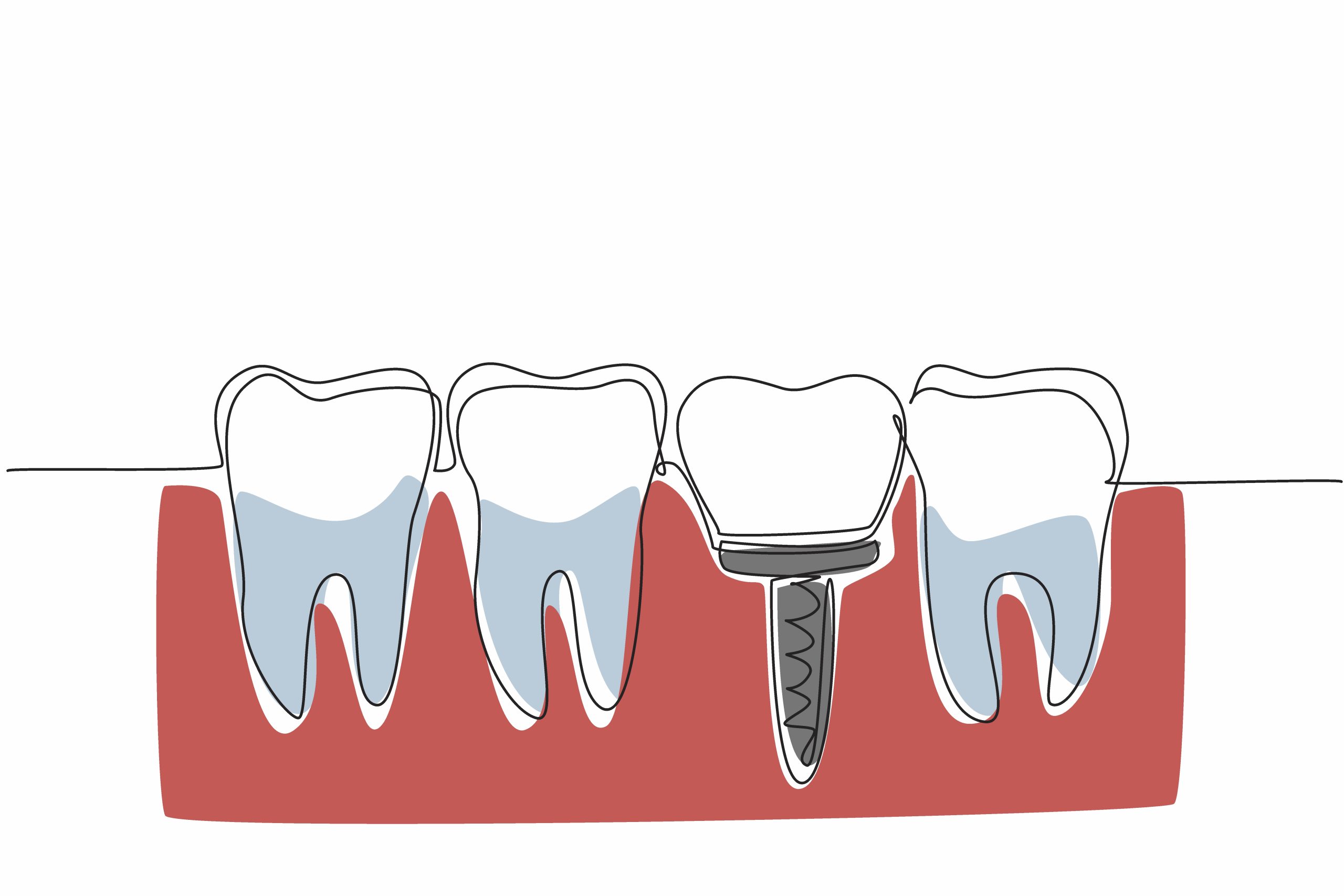
Understanding dental implants basics is essential for anyone considering this tooth replacement option. Dental implants are artificial tooth roots, typically made of titanium, that are surgically placed into the jawbone to support a replacement tooth or bridge. The process involves several stages, including the initial consultation, surgical placement, and the attachment of the prosthetic tooth. A dental implant without bone graft is possible when there is sufficient natural bone to support the implant, eliminating the need for additional procedures to augment the bone.
The success of a dental implant without bone graft largely depends on the quality and quantity of the existing jawbone. When the natural bone is adequate, it allows for a more straightforward and quicker procedure. This can be an attractive option for those who meet the criteria, as it reduces the overall treatment time and complexity. For more information on how dental implants compare to other tooth replacement options, you can read our article on Dental Implant vs Bridge: Which Tooth Replacement Option Is Better?
Bone Density and Dental Implants
Bone density plays a crucial role in determining the feasibility of a dental implant without bone graft. The jawbone must have sufficient density to support the implant securely. When the bone is dense enough, it can provide the necessary stability for the implant, reducing the need for additional procedures like bone grafting. This is particularly important because the success of a dental implant largely depends on its ability to integrate with the jawbone, a process known as osseointegration.
In cases where bone density is adequate, patients may be able to proceed with a dental implant without bone graft, simplifying the treatment process. However, each individual’s situation is unique, and a thorough evaluation by a dental professional is essential to determine the best course of action. For those considering this option, it’s important to consult with an expert to assess bone health and implant suitability. To learn more about your options, visit our page on Get Dental Implants Yorba Linda.
Criteria for Implant Eligibility
When considering a dental implant without bone graft, certain criteria must be met to ensure the procedure’s success. Candidates typically need to have sufficient natural bone density and volume in the jaw to support the implant securely. Good oral health is essential, as healthy gums and surrounding tissues contribute to the stability of the implant. Additionally, overall health factors, such as non-smoking status and the absence of chronic conditions that could impair healing, play a crucial role in determining eligibility for a dental implant without bone graft.
Alternative Solutions to Bone Grafts
In certain cases, a dental implant without bone graft is feasible, especially when alternative solutions are considered. Techniques such as the use of shorter implants or angled implants can sometimes bypass the need for additional bone support. Additionally, advancements in implant technology have made it possible to achieve stability and functionality even in areas with limited bone density. These alternatives can provide viable options for those seeking dental restoration without the traditional bone grafting process. For more information on dental implants and other dental services, visit Dentique, your trusted Yorba Linda Dentist.
Implant Procedure Overview
A dental implant without bone graft is a streamlined process that involves placing a titanium post directly into the jawbone, serving as a sturdy foundation for a replacement tooth. This procedure is typically considered when there is sufficient natural bone to support the implant, eliminating the need for additional bone augmentation. The process begins with a thorough evaluation to ensure the jawbone’s density and volume are adequate. Once confirmed, the implant is surgically inserted, and over time, it integrates with the bone through a process called osseointegration. This integration provides stability and durability, allowing for the attachment of a dental crown that mimics the appearance and function of a natural tooth.
Healing Process and Recovery Time
The healing process and recovery time for a dental implant without bone graft can vary depending on individual circumstances, but generally, patients may experience a shorter recovery period compared to procedures involving bone grafting. Since the procedure does not require additional bone augmentation, the body can focus solely on integrating the dental implant into the existing jawbone. This integration, known as osseointegration, is crucial for the stability and success of the implant. Patients can typically expect some initial swelling and discomfort, which gradually subsides as the healing progresses. Regular follow-up appointments with a dental professional are essential to monitor the healing process and ensure the dental implant without bone graft is successfully integrating with the jawbone.
Potential Risks and Complications
Undergoing a dental implant without bone graft can present certain risks and complications that patients should be aware of. While this procedure can be successful, potential issues may include implant failure due to insufficient bone support, increased risk of infection, or improper integration with the jawbone. Additionally, there might be concerns about the stability and longevity of the dental implant without bone graft, as the lack of additional bone support could affect the overall success rate. It’s important for individuals to discuss these potential risks with their dental professional to understand the implications fully.
Success Rates of Implants Without Grafts
Dental implant without bone graft procedures can be highly successful, with success rates comparable to those involving grafts, depending on individual circumstances. Factors such as the quality and density of the existing jawbone, the location of the implant, and the patient’s overall oral health play significant roles in determining outcomes. While each case is unique, many patients experience positive results with dental implants without bone grafts, enjoying restored functionality and aesthetics.
Long-term Care and Maintenance
Ensuring the longevity of a dental implant without bone graft involves regular oral hygiene practices and routine dental check-ups. Maintaining healthy gums and teeth is crucial, as it supports the stability of the implant. Regular visits to a dental professional can help monitor the condition of the implant and surrounding tissues, ensuring any potential issues are addressed promptly. Proper care can contribute to the success and durability of a dental implant without bone graft, allowing individuals to enjoy the benefits of their restored smile for years to come.
Conclusion
Exploring the option of a dental implant without bone graft can be a viable solution for many; for more information, call (714) 786-8693 or check out our Google Maps reviews.