
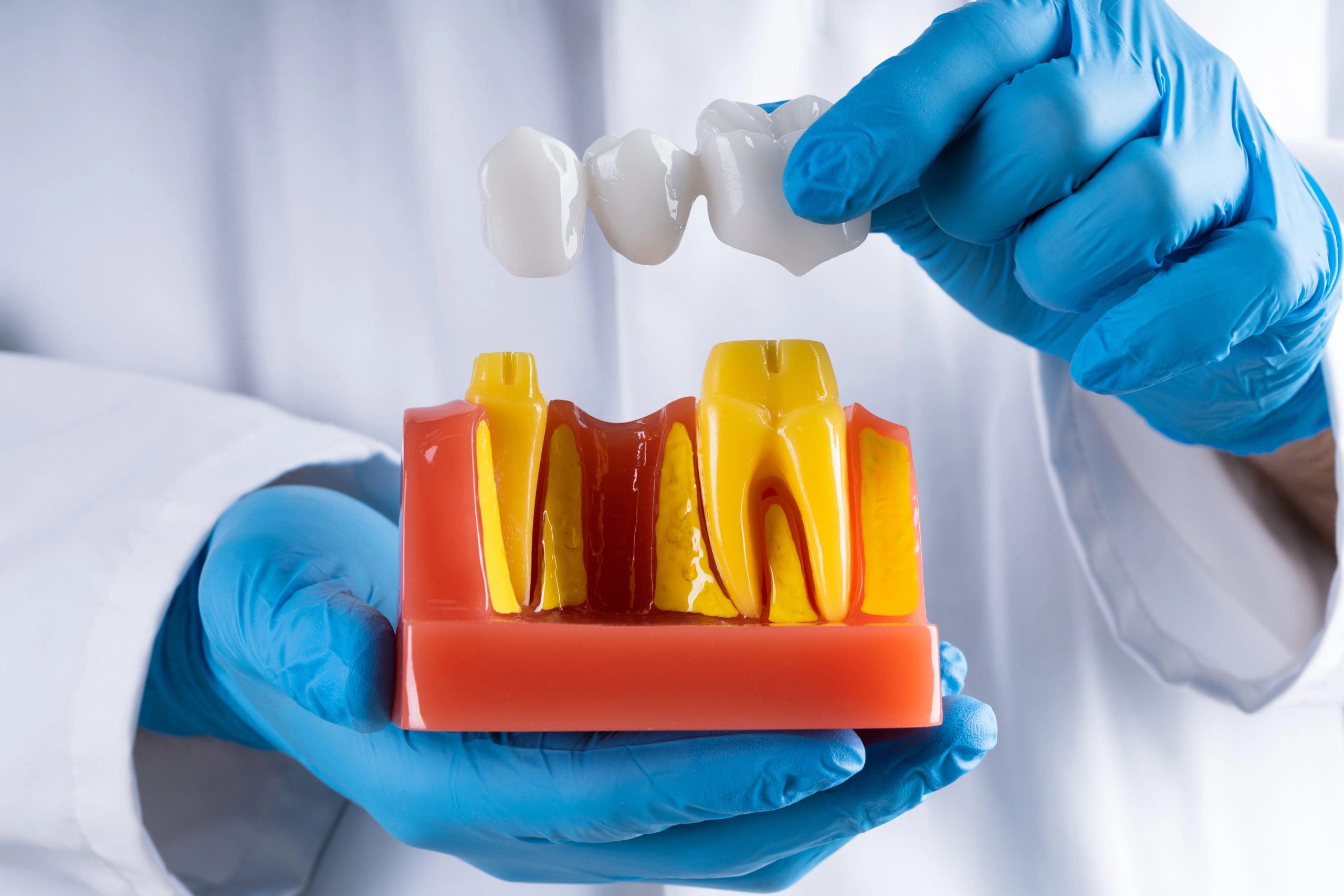
When faced with the dilemma of endodontic treatment vs extraction, how do you determine the best choice for your oral health? Both options have their own benefits and considerations, and the decision often depends on the specific condition of the tooth and overall dental health.
Endodontic treatment vs extraction
Understanding Endodontic Treatment
Endodontic treatment, commonly known as a root canal, is a procedure designed to save a tooth that has been damaged or infected. This treatment involves removing the infected pulp from the tooth’s interior, cleaning and disinfecting the area, and then sealing it to prevent further infection. When considering endodontic treatment vs extraction, it’s important to understand that this procedure aims to preserve the natural tooth structure, which can be beneficial for maintaining overall oral health and function.
In cases where a tooth has suffered trauma, endodontic treatment can be an effective solution. By opting for this procedure, individuals can often avoid the need for extraction and retain their natural teeth. For more information on how this treatment can help in specific situations, you can explore our detailed guide on Endodontic Treatment for Trauma: Restoring Teeth After Injury. When weighing endodontic treatment vs extraction, understanding the benefits of preserving your natural teeth can be a crucial factor in making an informed decision.
Reasons for Tooth Extraction
When considering endodontic treatment vs extraction, it’s important to understand the various reasons why a tooth might need to be removed. Severe tooth decay that has compromised the structural integrity of the tooth is a common reason for extraction. Additionally, advanced periodontal disease can lead to the loosening of teeth, making extraction necessary to prevent further oral health issues. In some cases, overcrowding in the mouth may require the removal of a tooth to ensure proper alignment and function of the remaining teeth.
Another reason for tooth extraction is the presence of impacted teeth, which are unable to emerge properly through the gums. This is often seen with wisdom teeth that can cause pain and potential damage to adjacent teeth. Trauma or injury to a tooth that cannot be repaired may also necessitate extraction. For those weighing their options between endodontic treatment vs extraction, consulting with experienced professionals like the Yorba Linda Dental Specialists can provide valuable insights into making the best choice for your oral health.
Comparing Pain and Recovery
When considering endodontic treatment vs extraction, understanding the differences in pain and recovery can be crucial for making an informed decision. Endodontic treatment, commonly known as a root canal, typically involves managing discomfort during the procedure with local anesthesia, followed by a recovery period that may include mild soreness as the tooth heals. In contrast, tooth extraction might involve more immediate post-procedure pain due to the removal of the tooth, with a recovery period that can vary depending on the complexity of the extraction and individual healing rates. Both options have unique recovery experiences, and understanding these can help in evaluating endodontic treatment vs extraction for your oral health needs.
Long-term Oral Health Impact
When considering endodontic treatment vs extraction, it’s important to understand the long-term implications for your oral health. Endodontic treatment, often referred to as a root canal, aims to preserve the natural tooth, which can help maintain the alignment of your teeth and prevent potential issues with your bite. On the other hand, extraction removes the tooth entirely, which may lead to shifting of surrounding teeth and potential bone loss over time. Both options have their own set of consequences that can affect your oral health in the long run. For more information on making informed decisions about your dental care, visit Dentique, your trusted Yorba Linda Dentist.
Cost Considerations
When evaluating endodontic treatment vs extraction, cost considerations play a significant role in decision-making. Endodontic treatment, commonly known as a root canal, often involves multiple visits and can be more expensive upfront compared to extraction. However, preserving the natural tooth through endodontic treatment may lead to long-term savings by avoiding the need for additional procedures like implants or dentures that often follow an extraction. On the other hand, while extraction might seem more cost-effective initially, it can lead to further dental work down the line, potentially increasing overall expenses. Understanding the financial implications of endodontic treatment vs extraction is crucial for making an informed choice that aligns with both your oral health needs and budget.
Success Rates and Outcomes
When considering endodontic treatment vs extraction, understanding the success rates and outcomes is crucial for making an informed decision. Endodontic treatment, commonly known as a root canal, generally boasts high success rates, often preserving the natural tooth for many years when performed correctly. On the other hand, extraction involves removing the tooth entirely, which may lead to different outcomes such as the need for prosthetic replacements like bridges or implants. Both options have their own set of potential complications and long-term effects on oral health, making it essential to weigh these factors carefully.
Impact on Adjacent Teeth
When considering endodontic treatment vs extraction, it’s important to understand how each option can affect the surrounding teeth. Endodontic treatment, often known as a root canal, aims to preserve the natural tooth, which helps maintain the alignment and spacing of adjacent teeth. This can prevent potential shifting or misalignment that might occur if a tooth is extracted. On the other hand, extraction removes the tooth entirely, which can lead to changes in the bite and increased pressure on neighboring teeth. These changes may impact overall oral health and the structural integrity of the dental arch.
Aesthetic Considerations
When evaluating endodontic treatment vs extraction, aesthetic considerations play a significant role in decision-making. Preserving the natural tooth through endodontic treatment often maintains the original appearance of your smile, as it allows for the retention of the tooth’s natural structure and color. In contrast, extraction may lead to noticeable gaps or require artificial replacements, which might not always perfectly match the surrounding teeth. The choice between endodontic treatment vs extraction can therefore impact the overall harmony and visual appeal of your dental aesthetics.
Patient Experience and Comfort
When considering endodontic treatment vs extraction, patient experience and comfort play a crucial role in the decision-making process. Endodontic treatment, often referred to as a root canal, is typically associated with preserving the natural tooth, which can lead to a more comfortable and familiar feeling in the mouth post-procedure. On the other hand, extraction involves removing the tooth entirely, which may require an adjustment period as patients adapt to the change in their oral structure. Both procedures aim to alleviate pain and restore oral health, but the journey to comfort can vary significantly between endodontic treatment vs extraction, influencing patient satisfaction and overall experience.
Conclusion
When considering endodontic treatment vs extraction, it’s essential to make an informed decision for your oral health. For more information, call us at (714) 786-8693 or read reviews on Google Maps.