Skip to content

16960 Bastanchury Rd Suite B, Yorba Linda, CA 92886, United States

(714) 986-1699

Dentique
  • About
    • Meet Our Doctor
    • Our Office
    • Blog
  • Services
    • General Dentistry
      • Dental Cleanings & Exams
      • Tooth Fillings
      • Pediatric Dentistry
      • Tooth Extractions
      • Sedation Dentistry
      • Wisdom Teeth Removal
    • Restorative Dentistry
      • Dental Implants
      • Dental Crowns
      • Dental Bridges
      • Dentures
      • Porcelain Inlays & Onlays
      • Root Canal Therapy
    • Cosmetic Dentistry
      • Veneers
      • Teeth Whitening
      • Invisalign
      • Cosmetic Bonding
    • Periodontal
      • Gum Disease Treatment
      • Scaling & Root Planing
    • TMJ
      • TMJ Botox
    • Emergency Dentistry
    • Sleep Apnea Treatment
  • Financing
  • Contact
Book An Appointment
  • Endodontic Treatment for Tooth Infection: Eliminate Pain and Save Your Tooth

    Endodontic Treatment for Tooth Infection: Eliminate Pain and Save Your Tooth

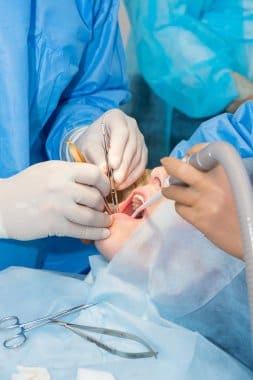
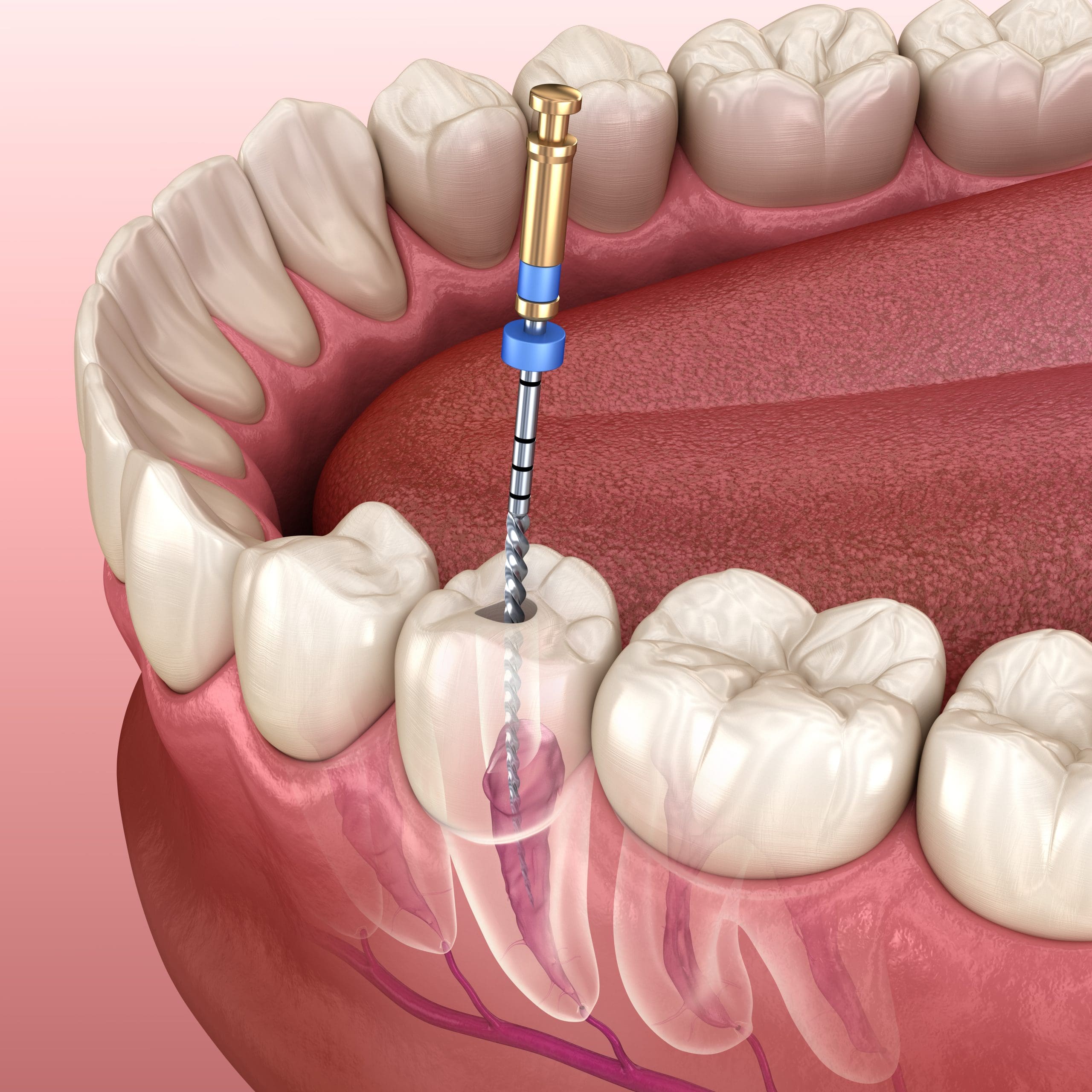
    Are you curious about how endodontic treatment for tooth infection can help eliminate pain and save your tooth? This procedure involves removing the infected pulp, cleaning the root canal, and sealing it to prevent further infection, ultimately preserving the natural tooth.

    Endodontic treatment for tooth infection

    Understanding tooth infections is crucial for maintaining oral health. A tooth infection occurs when bacteria invade the dental pulp, leading to inflammation and pain. This condition can result from untreated cavities, cracks, or trauma to the tooth. If left unaddressed, the infection can spread to surrounding tissues, causing more severe complications. Endodontic treatment for tooth infection is a procedure designed to remove the infected pulp, clean the root canal, and seal it to prevent further infection.

    Tooth infections can manifest through symptoms such as persistent pain, swelling, and sensitivity to hot or cold temperatures. Recognizing these signs early can help in seeking timely intervention. By addressing the infection promptly, endodontic treatment for tooth infection can effectively alleviate discomfort and preserve the natural tooth structure. For those seeking cost-effective solutions, consider exploring Affordable Endodontic Treatment Near Me: Expert Care That Fits Your Budget.

    Endodontic treatment for tooth infection

    Recognizing the signs that you may need endodontic care is crucial for maintaining your oral health. Persistent tooth pain, especially when chewing or applying pressure, can be a significant indicator of an underlying issue that might require attention. Sensitivity to hot or cold temperatures that lingers even after the source is removed is another common symptom. Swelling or tenderness in the gums near the affected tooth can also suggest the need for professional evaluation.

    If you notice any discoloration of a tooth or experience a recurring pimple on the gums, these could be signs of an infection that necessitates endodontic intervention. Ignoring these symptoms can lead to more severe complications, potentially resulting in tooth loss. For those experiencing these issues, seeking professional help is essential. Consider exploring options like Endodontic Treatment in Yorba Linda to address endodontic treatment for tooth infection effectively.

    The Role of an Endodontist

    An endodontist plays a crucial role in diagnosing and treating tooth infections, focusing on the intricate structures inside the tooth. These dental specialists are experts in performing root canal therapy, a procedure designed to remove infected pulp and alleviate pain while preserving the natural tooth. With advanced training and specialized techniques, endodontists are adept at managing complex cases that general dentists may refer to them. Their expertise ensures that patients receive precise care aimed at eliminating infection and maintaining oral health.

    How Endodontic Treatment Works

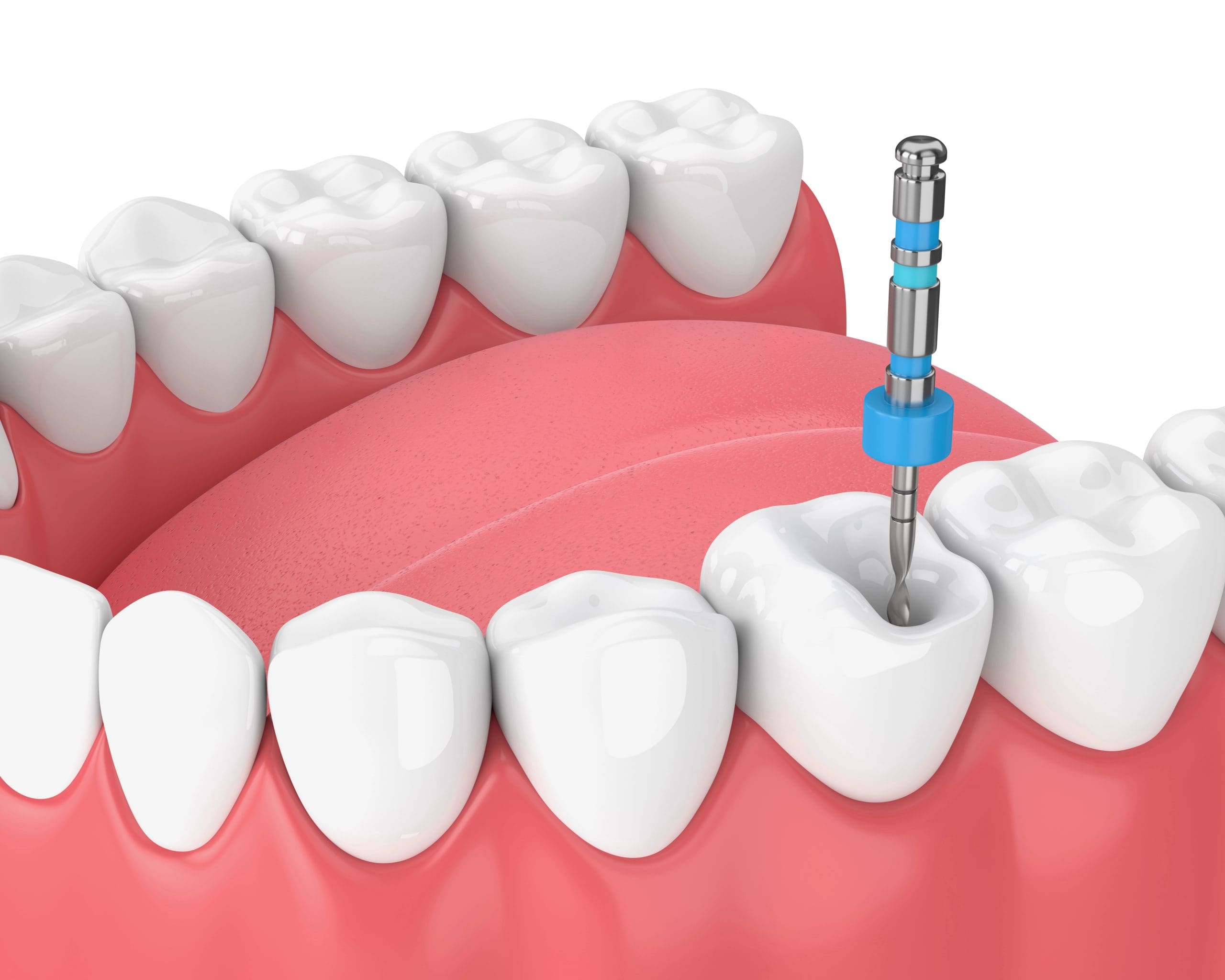
    Endodontic treatment for tooth infection involves a specialized procedure that targets the infected pulp within the tooth. This process begins with the dentist carefully accessing the tooth’s interior to remove the inflamed or infected pulp tissue. Once the pulp is removed, the inside of the tooth is meticulously cleaned and disinfected to eliminate any remaining bacteria. The space is then filled and sealed to prevent future infections, preserving the natural tooth structure. This treatment not only alleviates pain but also helps in maintaining the tooth’s functionality. For more information, visit Dentique, your trusted Yorba Linda Dentist.

    Benefits of Saving Your Tooth

    Endodontic treatment for tooth infection offers significant benefits by preserving your natural tooth. Retaining your original tooth structure helps maintain proper alignment and function, which is crucial for effective chewing and speaking. Additionally, saving your tooth can prevent the need for more extensive dental procedures in the future, contributing to overall oral health and well-being. By opting for endodontic treatment, you can eliminate pain while ensuring the longevity of your natural smile.

    Common Myths About Root Canals

    Endodontic treatment for tooth infection often gets a bad reputation due to several common myths surrounding root canals. Many people mistakenly believe that root canals are extremely painful, when in fact, they are designed to relieve the pain caused by an infected tooth. Another myth is that root canals cause illness, but there is no scientific evidence supporting this claim. Additionally, some think that extraction is a better option than saving a tooth with endodontic treatment, yet preserving your natural tooth is usually the best choice for maintaining oral health. Understanding these misconceptions can help alleviate unnecessary fear and anxiety about the procedure.

    Post-Treatment Recovery Expectations

    After undergoing endodontic treatment for tooth infection, patients can generally expect a period of recovery that involves some mild discomfort and sensitivity in the treated area. This is a normal part of the healing process as the body adjusts to the changes within the tooth. Swelling and tenderness may occur, but these symptoms typically subside within a few days. It’s important to follow any care instructions provided by your dental professional to ensure a smooth recovery. The success of endodontic treatment for tooth infection often results in the preservation of the natural tooth, allowing it to function normally without pain.

    Preventing Future Tooth Infections

    Endodontic treatment for tooth infection not only addresses current dental issues but also plays a crucial role in maintaining long-term oral health. By effectively treating the infected area, this procedure helps preserve the natural tooth structure, reducing the risk of future infections. Maintaining a healthy oral environment is essential for preventing recurring dental problems, ensuring that your teeth remain strong and functional over time.

    When to Seek Professional Help

    If you’re experiencing persistent tooth pain, swelling, or sensitivity to hot and cold, it may be time to consider endodontic treatment for tooth infection. These symptoms can indicate an underlying issue that requires professional attention to prevent further complications. Seeking timely intervention from a dental professional can help address the infection effectively, alleviate discomfort, and potentially save your tooth from extraction.

    Conclusion

    Endodontic treatment for tooth infection can help eliminate pain and save your tooth; call us today at (714) 786-8693 or check out our Google Maps reviews.
    Kirsten Brazil

    April 10, 2025
  • Affordable Endodontic Treatment Near Me: Expert Care That Fits Your Budget

    Affordable Endodontic Treatment Near Me: Expert Care That Fits Your Budget

    Are you searching for affordable endodontic treatment near me that provides expert care without breaking the bank? Affordable endodontic treatment near me is possible with options that balance quality and cost, ensuring you receive the necessary care. With various providers available, finding a solution that fits your budget is achievable.

    Affordable endodontic treatment near me

    Understanding endodontic treatment costs can be crucial for those seeking affordable endodontic treatment near me. The expenses associated with endodontic procedures can vary based on several factors, including the complexity of the case and the specific tooth involved. Patients often find that the cost of treatment is a worthwhile investment in preserving their natural teeth and maintaining overall oral health.

    When considering affordable endodontic treatment near me, it’s important to recognize that prices can differ significantly between providers and locations. Many dental practices offer flexible payment options to help manage the financial aspect of care. For those experiencing sudden dental issues, Emergency Endodontic Treatment: Fast Relief When Every Minute Counts can provide immediate assistance when needed.

    Factors Influencing Treatment Prices

    The cost of endodontic treatment can vary significantly based on several factors. One primary consideration is the complexity of the procedure, as more intricate cases may require additional time and expertise, potentially increasing the overall expense. Geographic location also plays a crucial role, with prices differing from one region to another due to variations in the cost of living and local market conditions.

    Another factor that can influence the price is the experience and qualifications of the dental professional performing the procedure. Highly skilled specialists may charge more for their services, reflecting their expertise and the quality of care provided. Additionally, the materials and technology used during treatment can impact costs, as advanced equipment and high-quality materials often come at a premium. For those seeking expert care in their area, exploring options like Yorba Linda Endodontic Services can provide valuable insights into available treatments.

    Importance of Affordable Dental Care

    Affordable dental care is crucial for maintaining overall health and well-being, as it ensures that individuals have access to necessary treatments without financial strain. When searching for “affordable endodontic treatment near me,” it’s important to recognize that cost-effective options can make a significant difference in preventing more serious dental issues. Access to affordable care allows for timely interventions, which can help maintain oral health and prevent the progression of dental problems.

    Finding Local Endodontic Specialists

    When searching for affordable endodontic treatment near me, it’s essential to locate local endodontic specialists who provide expert care without breaking the bank. These professionals are skilled in diagnosing and treating issues related to the dental pulp and root canals, ensuring you receive the necessary care for your dental health. By focusing on local specialists, you can benefit from convenient access to quality treatment that fits your budget. For those in the Yorba Linda area, Dentique offers a range of dental services, and you can learn more by visiting their Yorba Linda Dentist page.

    Comparing Endodontic Treatment Options

    When searching for affordable endodontic treatment near me, it’s essential to understand the various options available to ensure you receive expert care that aligns with your budget. Endodontic treatments can vary in complexity and cost, depending on the specific dental issue and the procedures required. By comparing different treatment options, you can find a solution that not only addresses your dental needs but also fits within your financial constraints, ensuring you receive quality care without compromising on affordability.

    Insurance and Endodontic Procedures

    When searching for affordable endodontic treatment near me, understanding how insurance can play a role in covering endodontic procedures is crucial. Many dental insurance plans offer partial coverage for treatments like root canals, which can significantly reduce out-of-pocket expenses. It’s important to check with your insurance provider to determine the extent of coverage available for endodontic care, ensuring that you receive expert treatment without straining your budget.

    Payment Plans for Dental Treatments

    Finding affordable endodontic treatment near me can be a crucial step in managing dental health without straining finances. Many dental practices understand the importance of accessible care and offer flexible payment plans to accommodate various budgets. These plans can help patients receive necessary treatments while spreading the cost over time, making it easier to manage expenses. By exploring available options, individuals can ensure they receive expert care that fits their budget, allowing them to maintain oral health without financial stress.

    Community Dental Health Resources

    Exploring community dental health resources can be a valuable step in finding affordable endodontic treatment near me. These resources often provide information and support for individuals seeking cost-effective dental care options. By connecting with local organizations, you can gain insights into available programs and initiatives that aim to make dental treatments more accessible and budget-friendly.

    Evaluating Endodontic Care Quality

    When searching for affordable endodontic treatment near me, it’s essential to consider the quality of care provided. Evaluating the expertise and experience of the dental professionals, the technology used in procedures, and the overall patient experience can help ensure that the treatment is both effective and budget-friendly. High-quality endodontic care can lead to better outcomes and long-term oral health, making it a crucial factor in your decision-making process.

    Conclusion

    Discover affordable endodontic treatment near me and experience expert care that fits your budget by calling (714) 786-8693 or checking out our Google Maps reviews.

    Kirsten Brazil

    April 10, 2025
  • Emergency Endodontic Treatment: Fast Relief When Every Minute Counts

    Emergency Endodontic Treatment: Fast Relief When Every Minute Counts

    What is emergency endodontic treatment and why is it crucial when every minute counts? Emergency endodontic treatment provides immediate relief from severe dental pain and addresses urgent issues to prevent further complications, ensuring that patients receive the care they need promptly.

    Emergency Endodontic Treatment

    Understanding emergency endodontic situations is crucial for anyone experiencing sudden dental pain or trauma. Emergency endodontic treatment often becomes necessary when a tooth is severely damaged due to decay, injury, or infection. These situations can lead to intense discomfort and require immediate attention to prevent further complications. Recognizing the signs of an endodontic emergency, such as persistent pain, swelling, or sensitivity to temperature, can help in seeking timely care.

    In many cases, emergency endodontic treatment involves addressing issues like abscesses or severe toothaches that cannot wait for a regular dental appointment. The goal is to alleviate pain and stabilize the condition until a more comprehensive treatment plan can be developed. For those dealing with specific issues like a cracked tooth, exploring options such as Endodontic Treatment for Cracked Tooth: Repairing Damage from the Inside Out can provide valuable insights into managing the situation effectively.

    Recognizing Symptoms of Dental Emergencies

    Understanding the signs of a dental emergency is crucial for seeking timely emergency endodontic treatment. Common symptoms include severe toothache, swelling in the gums or face, and sensitivity to hot or cold temperatures. These indicators often suggest underlying issues that require immediate attention to prevent further complications. Ignoring these symptoms can lead to more severe pain and potential damage to the surrounding teeth and gums.

    In some cases, a cracked or fractured tooth may not be immediately painful but can quickly escalate into a more serious problem if left untreated. It’s important to be aware of any changes in your oral health, as they can signal the need for urgent care. For those experiencing persistent discomfort or unusual symptoms, exploring options like Root Canal Treatment Yorba Linda can provide relief and address the root cause of the issue.

    Common Causes of Tooth Pain

    Tooth pain can arise from various sources, often signaling the need for emergency endodontic treatment. Common causes include dental decay, which can lead to cavities and expose the sensitive inner layers of the tooth, and gum disease, which can cause inflammation and discomfort. Cracked or fractured teeth may also result in significant pain, as can abscesses that form due to bacterial infections. Additionally, trauma to the mouth or teeth grinding can exacerbate these issues, making timely intervention crucial to alleviate pain and prevent further complications.

    Importance of Immediate Dental Attention

    In situations where severe tooth pain or infection arises, seeking emergency endodontic treatment is crucial to prevent further complications and alleviate discomfort. Immediate dental attention can be the difference between saving a natural tooth and facing more extensive procedures later. Acting swiftly not only helps in managing pain but also in preserving oral health, ensuring that the issue does not escalate into a more serious condition. For those in need of urgent care, Dentique offers a reliable option for finding a Yorba Linda Dentist who can provide the necessary attention.

    Role of Endodontists in Emergencies

    In situations where emergency endodontic treatment is required, endodontists play a crucial role in providing immediate care to alleviate pain and prevent further complications. These dental specialists are trained to handle complex cases involving the inner tissues of the teeth, often addressing issues such as severe toothaches, infections, or trauma. Their expertise ensures that patients receive prompt and effective treatment, which is vital when every minute counts in preserving oral health and preventing long-term damage.

    Diagnostic Procedures for Quick Assessment

    In emergency endodontic treatment, swift and accurate diagnostic procedures are crucial to identify the root cause of dental pain and distress. These assessments typically involve a combination of clinical evaluations, such as visual inspections and palpation, alongside advanced imaging techniques like X-rays. By rapidly determining the extent of the issue, dental professionals can prioritize the necessary steps to alleviate discomfort and prevent further complications. This quick assessment is essential in ensuring that emergency endodontic treatment is both effective and efficient, providing patients with the relief they need when every minute counts.

    Pain Management in Dental Emergencies

    In the realm of emergency endodontic treatment, managing pain swiftly and effectively is crucial. Dental emergencies often present with intense discomfort, making immediate attention essential to alleviate suffering. The primary goal is to address the underlying issue causing the pain, which can range from an infected tooth to severe decay. Emergency endodontic treatment focuses on providing relief by targeting the source of the problem, ensuring that patients experience a reduction in pain as quickly as possible. This approach not only helps in managing the immediate discomfort but also sets the stage for further necessary dental care.

    Treatment Options for Severe Cases

    In severe cases where immediate attention is required, emergency endodontic treatment becomes crucial to alleviate pain and prevent further complications. This type of treatment often involves procedures such as root canal therapy, which aims to remove infected tissue and preserve the natural tooth. In some instances, surgical intervention may be necessary to address complex issues that cannot be resolved through conventional methods. The primary goal of emergency endodontic treatment is to provide fast relief and restore oral health efficiently, ensuring that patients can return to their daily activities without prolonged discomfort.

    Post-Treatment Care and Recovery

    After undergoing emergency endodontic treatment, patients often experience a period of recovery that is crucial for ensuring the success of the procedure. This phase typically involves monitoring any discomfort or swelling, which are common as the body heals. It’s important to follow any specific instructions provided by your dental professional to facilitate a smooth recovery. The healing process can vary, but maintaining good oral hygiene and attending follow-up appointments can help ensure that the emergency endodontic treatment effectively resolves the issue and restores dental health.

    Conclusion

    For immediate assistance with emergency endodontic treatment, call (714) 786-8693 or read reviews on Google Maps.

    Kirsten Brazil

    April 10, 2025
  • Endodontic Treatment for Cracked Tooth: Repairing Damage from the Inside Out

    Endodontic Treatment for Cracked Tooth: Repairing Damage from the Inside Out

    What is endodontic treatment for a cracked tooth, and how does it work to repair damage from the inside out? Endodontic treatment for a cracked tooth involves cleaning and sealing the inner chambers of the tooth to prevent further damage and restore its function. This process helps preserve the natural tooth structure while addressing any underlying issues.

    Endodontic treatment for cracked tooth

    Understanding Cracked Tooth Syndrome is crucial when considering endodontic treatment for a cracked tooth. This condition occurs when a tooth has a crack that is not visible to the naked eye, often leading to discomfort and sensitivity. The crack can extend into the pulp, which may require specialized treatment to prevent further damage. Endodontic treatment for cracked tooth focuses on addressing the internal damage, preserving the natural tooth structure, and alleviating symptoms associated with the syndrome.

    Cracked Tooth Syndrome can be challenging to diagnose due to its subtle symptoms and the complexity of the cracks. It is essential to understand that while some cracks may not require immediate intervention, others can lead to more severe dental issues if left untreated. In some cases, alternative therapies may be considered, as discussed in our article on Endodontic Treatment Without Root Canal: When Alternative Therapies Work.

    Causes of Tooth Cracks

    Tooth cracks can occur due to a variety of reasons, often resulting in the need for endodontic treatment for cracked tooth issues. Common causes include biting down on hard objects, such as ice or unpopped popcorn kernels, which can exert excessive pressure on the teeth. Additionally, habits like teeth grinding or clenching, known as bruxism, can weaken the enamel over time, making teeth more susceptible to cracking. Sudden temperature changes, such as consuming hot food followed by cold drinks, can also cause stress on the tooth structure, leading to cracks.

    Another significant factor contributing to tooth cracks is trauma or injury to the mouth. Accidents or sports-related impacts can result in immediate damage to the teeth, causing visible or hairline fractures. Age-related wear and tear is another common cause, as the enamel naturally becomes thinner and more brittle over time. Understanding these causes is crucial for addressing the underlying issues and seeking appropriate care. For those experiencing complications from cracked teeth, consulting with the Yorba Linda Root Canal Experts can provide valuable insights into effective endodontic treatment for cracked tooth conditions.

    Symptoms of a Cracked Tooth

    Identifying the symptoms of a cracked tooth is crucial for understanding when endodontic treatment for cracked tooth might be necessary. Common signs include sharp pain when biting down, sensitivity to hot or cold temperatures, and discomfort that comes and goes. These symptoms can vary in intensity and may not always be present, making it important to pay attention to any changes in your dental health. If you experience these symptoms, it could indicate that the damage extends beyond the surface, potentially requiring professional evaluation and care.

    Diagnosing Tooth Cracks

    Diagnosing tooth cracks is a crucial step in determining the appropriate endodontic treatment for a cracked tooth. Dental professionals utilize various diagnostic tools and techniques to identify the presence and extent of cracks, which can often be invisible to the naked eye. These methods may include visual examinations, dental X-rays, and sometimes advanced imaging technologies to ensure a comprehensive assessment. Accurate diagnosis is essential for planning effective treatment that addresses the damage from the inside out, preserving the tooth’s structure and function. For more information on dental care, visit Dentique, your trusted Yorba Linda Dentist.

    Endodontic Treatment Overview

    Endodontic treatment, commonly known as root canal therapy, is a dental procedure designed to address issues within the tooth’s interior, particularly the pulp and root canals. This treatment is essential for preserving a tooth that has been compromised by cracks, decay, or infection. By removing the damaged or infected pulp, cleaning the root canals, and sealing them to prevent further damage, endodontic treatment helps maintain the natural tooth structure. This process not only alleviates pain but also prevents the need for more extensive dental procedures in the future, ensuring the tooth remains functional and healthy.

    Role of Root Canal Therapy

    Endodontic treatment for cracked tooth plays a crucial role in preserving the natural tooth structure by addressing damage from within. When a tooth is cracked, bacteria can infiltrate the pulp, leading to infection and pain. Root canal therapy involves removing the infected pulp, cleaning the interior of the tooth, and sealing it to prevent further damage. This process not only alleviates discomfort but also helps maintain the tooth’s integrity, ensuring that it remains functional and healthy. By focusing on repairing the internal damage, endodontic treatment for cracked tooth offers a reliable solution to extend the life of the affected tooth.

    Healing Process After Treatment

    After undergoing endodontic treatment for a cracked tooth, the healing process is crucial for restoring dental health. This procedure addresses the internal damage, allowing the tooth to heal from the inside out. Patients may experience some discomfort initially, but this typically subsides as the tooth begins to recover. The body’s natural healing mechanisms work alongside the treatment to repair the affected area, ensuring that the tooth regains its strength and functionality over time. Regular follow-ups with a dental professional can help monitor the progress and ensure that the endodontic treatment for a cracked tooth is successful in promoting long-term oral health.

    Preventing Future Tooth Damage

    Endodontic treatment for cracked tooth not only addresses existing damage but also plays a crucial role in maintaining the overall health of your teeth. By focusing on repairing the internal structure, this treatment helps to fortify the tooth against potential future damage. Ensuring the integrity of the tooth from the inside out can contribute to its longevity and resilience, reducing the likelihood of further complications.

    Long-term Outlook for Treated Teeth

    Endodontic treatment for cracked tooth can significantly improve the long-term outlook of a damaged tooth by addressing the issue from within. Once the internal damage is repaired, the tooth can regain its functionality and strength, allowing it to perform its role in chewing and maintaining oral health. While the success of the treatment depends on various factors, including the extent of the crack and the patient’s oral hygiene, many individuals experience positive outcomes that extend the life of their treated teeth.

    Conclusion

    Endodontic treatment for cracked tooth can effectively address internal damage, ensuring your dental health is restored; for more information, call (714) 786-8693 or read reviews on Google Maps.

    Kirsten Brazil

    April 10, 2025
  • Endodontic Treatment Without Root Canal: When Alternative Therapies Work

    Endodontic Treatment Without Root Canal: When Alternative Therapies Work

    Can endodontic treatment without root canal be effective, and when do alternative therapies work? In certain cases, less invasive methods can address dental issues by focusing on preserving the tooth’s natural structure, offering a viable option for some patients. However, the success of these alternatives depends on the specific condition and individual patient factors.

    Endodontic treatment without root canal

    Understanding Endodontic Alternatives

    Endodontic treatment without root canal is gaining attention as patients seek less invasive options for dental care. These alternatives focus on preserving the natural tooth structure while addressing the underlying issues that typically necessitate a root canal. By exploring these options, individuals can potentially avoid the discomfort and recovery time associated with traditional root canal procedures.

    For those considering their options, it’s important to weigh the benefits and limitations of each alternative. Understanding the various approaches can help in making informed decisions about oral health. For more insights on choosing the right path, visit our guide on Endodontic Treatment vs Extraction: Making the Best Choice for Your Oral Health.

    Biological Healing in Dentistry

    Biological healing in dentistry is gaining attention as a viable approach for those seeking endodontic treatment without root canal procedures. This method focuses on harnessing the body’s natural ability to heal and regenerate dental tissues, potentially reducing the need for more invasive treatments. By understanding the biological processes involved in dental health, practitioners can explore alternative therapies that align with the body’s innate healing mechanisms.

    As the field of dentistry evolves, there is a growing interest in how biological healing can complement traditional methods. This approach may offer a promising avenue for patients who prefer less invasive options while still addressing their dental health needs. For those interested in exploring these alternatives, Endodontic Care Yorba Linda provides insights into various treatment options available.

    Pulp Regeneration Techniques

    Pulp regeneration techniques are emerging as a promising area in endodontic treatment without root canal procedures. These innovative methods focus on revitalizing the dental pulp by stimulating the body’s natural healing processes, potentially allowing for the restoration of the tooth’s vitality. By harnessing the power of tissue engineering and regenerative medicine, these techniques aim to regenerate damaged pulp tissue, offering a potential alternative to traditional root canal treatments. As research continues to advance, pulp regeneration may become a viable option for those seeking endodontic treatment without root canal intervention.

    Laser Therapy in Endodontics

    Laser therapy in endodontics is emerging as a promising alternative for those seeking endodontic treatment without root canal procedures. This innovative approach utilizes laser technology to target and eliminate bacteria within the tooth, potentially preserving the natural structure and reducing the need for more invasive treatments. By focusing on precision and efficiency, laser therapy may offer a less invasive option for managing dental issues traditionally addressed by root canals. For those interested in exploring such alternatives, Dentique provides insights into these advancements, and you can learn more by visiting your Yorba Linda Dentist.

    Ozone Therapy Applications

    Ozone therapy is gaining attention as a potential option for endodontic treatment without root canal procedures. This alternative approach involves the application of ozone gas to disinfect and sterilize the affected area, aiming to eliminate bacteria and promote healing. By targeting the root cause of dental infections, ozone therapy may offer a less invasive solution for patients seeking endodontic treatment without root canal intervention.

    Stem Cell Research in Dentistry

    Stem cell research in dentistry is paving the way for innovative approaches to endodontic treatment without root canal procedures. By harnessing the regenerative potential of stem cells, researchers are exploring methods to naturally repair and regenerate dental tissues, potentially eliminating the need for traditional root canal treatments. This cutting-edge research focuses on the ability of stem cells to differentiate into various cell types, offering promising possibilities for restoring dental health and function in a more natural and less invasive manner.

    Natural Healing Processes

    In some cases, endodontic treatment without root canal can be supported by the body’s natural healing processes. The human body has an incredible ability to repair itself, and this can sometimes extend to dental health. When conditions are favorable, the immune system may help in reducing inflammation and promoting tissue regeneration around the affected tooth. This natural approach relies on the body’s inherent capacity to heal, potentially minimizing the need for more invasive procedures. However, it’s important to understand that the effectiveness of natural healing processes can vary greatly depending on individual circumstances.

    Minimally Invasive Procedures

    Endodontic treatment without root canal is gaining attention as minimally invasive procedures become more prevalent in dental care. These approaches focus on preserving as much of the natural tooth structure as possible while addressing dental issues effectively. By utilizing advanced techniques and technologies, these procedures aim to reduce discomfort and recovery time for patients. As the field of dentistry evolves, the emphasis on minimally invasive methods continues to grow, offering potential alternatives to traditional root canal treatments.

    Advances in Dental Technology

    In recent years, advances in dental technology have opened up new possibilities for endodontic treatment without root canal procedures. These innovations focus on preserving the natural tooth structure while addressing dental issues effectively. By utilizing cutting-edge diagnostic tools and minimally invasive techniques, dental professionals can now explore alternative therapies that may eliminate the need for traditional root canal treatments. This shift not only enhances patient comfort but also aligns with the growing demand for more holistic and conservative dental care approaches.

    Conclusion

    Exploring endodontic treatment without root canal can open doors to alternative therapies that may suit your needs; for more information, call (714) 786-8693 or read reviews on Google Maps.

    Kirsten Brazil

    April 10, 2025
  • Endodontic Treatment vs Extraction: Making the Best Choice for Your Oral Health

    Endodontic Treatment vs Extraction: Making the Best Choice for Your Oral Health

    When faced with the dilemma of endodontic treatment vs extraction, how do you determine the best choice for your oral health? Both options have their own benefits and considerations, and the decision often depends on the specific condition of the tooth and overall dental health.

    Endodontic treatment vs extraction

    Understanding Endodontic Treatment

    Endodontic treatment, commonly known as a root canal, is a procedure designed to save a tooth that has been damaged or infected. This treatment involves removing the infected pulp from the tooth’s interior, cleaning and disinfecting the area, and then sealing it to prevent further infection. When considering endodontic treatment vs extraction, it’s important to understand that this procedure aims to preserve the natural tooth structure, which can be beneficial for maintaining overall oral health and function.

    In cases where a tooth has suffered trauma, endodontic treatment can be an effective solution. By opting for this procedure, individuals can often avoid the need for extraction and retain their natural teeth. For more information on how this treatment can help in specific situations, you can explore our detailed guide on Endodontic Treatment for Trauma: Restoring Teeth After Injury. When weighing endodontic treatment vs extraction, understanding the benefits of preserving your natural teeth can be a crucial factor in making an informed decision.

    Reasons for Tooth Extraction

    When considering endodontic treatment vs extraction, it’s important to understand the various reasons why a tooth might need to be removed. Severe tooth decay that has compromised the structural integrity of the tooth is a common reason for extraction. Additionally, advanced periodontal disease can lead to the loosening of teeth, making extraction necessary to prevent further oral health issues. In some cases, overcrowding in the mouth may require the removal of a tooth to ensure proper alignment and function of the remaining teeth.

    Another reason for tooth extraction is the presence of impacted teeth, which are unable to emerge properly through the gums. This is often seen with wisdom teeth that can cause pain and potential damage to adjacent teeth. Trauma or injury to a tooth that cannot be repaired may also necessitate extraction. For those weighing their options between endodontic treatment vs extraction, consulting with experienced professionals like the Yorba Linda Dental Specialists can provide valuable insights into making the best choice for your oral health.

    Comparing Pain and Recovery

    When considering endodontic treatment vs extraction, understanding the differences in pain and recovery can be crucial for making an informed decision. Endodontic treatment, commonly known as a root canal, typically involves managing discomfort during the procedure with local anesthesia, followed by a recovery period that may include mild soreness as the tooth heals. In contrast, tooth extraction might involve more immediate post-procedure pain due to the removal of the tooth, with a recovery period that can vary depending on the complexity of the extraction and individual healing rates. Both options have unique recovery experiences, and understanding these can help in evaluating endodontic treatment vs extraction for your oral health needs.

    Long-term Oral Health Impact

    When considering endodontic treatment vs extraction, it’s important to understand the long-term implications for your oral health. Endodontic treatment, often referred to as a root canal, aims to preserve the natural tooth, which can help maintain the alignment of your teeth and prevent potential issues with your bite. On the other hand, extraction removes the tooth entirely, which may lead to shifting of surrounding teeth and potential bone loss over time. Both options have their own set of consequences that can affect your oral health in the long run. For more information on making informed decisions about your dental care, visit Dentique, your trusted Yorba Linda Dentist.

    Cost Considerations

    When evaluating endodontic treatment vs extraction, cost considerations play a significant role in decision-making. Endodontic treatment, commonly known as a root canal, often involves multiple visits and can be more expensive upfront compared to extraction. However, preserving the natural tooth through endodontic treatment may lead to long-term savings by avoiding the need for additional procedures like implants or dentures that often follow an extraction. On the other hand, while extraction might seem more cost-effective initially, it can lead to further dental work down the line, potentially increasing overall expenses. Understanding the financial implications of endodontic treatment vs extraction is crucial for making an informed choice that aligns with both your oral health needs and budget.

    Success Rates and Outcomes

    When considering endodontic treatment vs extraction, understanding the success rates and outcomes is crucial for making an informed decision. Endodontic treatment, commonly known as a root canal, generally boasts high success rates, often preserving the natural tooth for many years when performed correctly. On the other hand, extraction involves removing the tooth entirely, which may lead to different outcomes such as the need for prosthetic replacements like bridges or implants. Both options have their own set of potential complications and long-term effects on oral health, making it essential to weigh these factors carefully.

    Impact on Adjacent Teeth

    When considering endodontic treatment vs extraction, it’s important to understand how each option can affect the surrounding teeth. Endodontic treatment, often known as a root canal, aims to preserve the natural tooth, which helps maintain the alignment and spacing of adjacent teeth. This can prevent potential shifting or misalignment that might occur if a tooth is extracted. On the other hand, extraction removes the tooth entirely, which can lead to changes in the bite and increased pressure on neighboring teeth. These changes may impact overall oral health and the structural integrity of the dental arch.

    Aesthetic Considerations

    When evaluating endodontic treatment vs extraction, aesthetic considerations play a significant role in decision-making. Preserving the natural tooth through endodontic treatment often maintains the original appearance of your smile, as it allows for the retention of the tooth’s natural structure and color. In contrast, extraction may lead to noticeable gaps or require artificial replacements, which might not always perfectly match the surrounding teeth. The choice between endodontic treatment vs extraction can therefore impact the overall harmony and visual appeal of your dental aesthetics.

    Patient Experience and Comfort

    When considering endodontic treatment vs extraction, patient experience and comfort play a crucial role in the decision-making process. Endodontic treatment, often referred to as a root canal, is typically associated with preserving the natural tooth, which can lead to a more comfortable and familiar feeling in the mouth post-procedure. On the other hand, extraction involves removing the tooth entirely, which may require an adjustment period as patients adapt to the change in their oral structure. Both procedures aim to alleviate pain and restore oral health, but the journey to comfort can vary significantly between endodontic treatment vs extraction, influencing patient satisfaction and overall experience.

    Conclusion

    When considering endodontic treatment vs extraction, it’s essential to make an informed decision for your oral health. For more information, call us at (714) 786-8693 or read reviews on Google Maps.

    Kirsten Brazil

    April 10, 2025
  • Endodontic Treatment for Trauma: Restoring Teeth After Injury

    Endodontic Treatment for Trauma: Restoring Teeth After Injury

    What is endodontic treatment for trauma, and how does it help in restoring teeth after injury? Endodontic treatment for trauma involves procedures that address damage to the dental pulp and surrounding tissues, aiming to preserve the natural tooth structure. By focusing on the root canal system, this treatment can effectively restore function and aesthetics to injured teeth.

    Endodontic treatment for trauma: Indications for Endodontic Treatment

    Endodontic treatment for trauma is often necessary when a tooth has been severely damaged due to an accident or injury. This type of treatment is indicated when the dental pulp, which contains nerves and blood vessels, becomes exposed or infected. Such exposure can lead to significant pain and potential tooth loss if not addressed promptly. The primary goal of endodontic treatment in these cases is to preserve the natural tooth structure and prevent further complications.

    In some instances, endodontic treatment for trauma may be required even if the tooth appears intact externally. Internal damage, such as pulp necrosis or root fractures, can occur without visible signs. In these situations, advanced diagnostic tools and techniques, such as those discussed in our article on Endodontic Treatment with Microscope: Precision Care for Complex Cases, can be crucial in identifying the extent of the injury and determining the appropriate course of action.

    Indications for Tooth Extraction

    In the realm of endodontic treatment for trauma, understanding when a tooth extraction is necessary is crucial. Teeth that have suffered severe damage or infection may not be salvageable through conventional endodontic procedures. In such cases, extraction becomes the most viable option to prevent further complications. Factors such as extensive root fractures, significant bone loss, or irreparable damage to the tooth structure often necessitate this course of action.

    While endodontic treatment for trauma aims to preserve natural teeth whenever possible, there are situations where extraction is unavoidable. For instance, if a tooth is beyond repair due to advanced decay or if it poses a risk to surrounding teeth and tissues, removal may be the best solution. For those seeking more information on related procedures, the Yorba Linda Endodontic Procedures page offers additional insights into managing dental trauma effectively.

    Pros of Endodontic Treatment

    Endodontic treatment for trauma offers several advantages when it comes to restoring teeth after an injury. This specialized dental procedure can effectively preserve the natural tooth, preventing the need for extraction and maintaining the integrity of the patient’s smile. By addressing the internal damage caused by trauma, endodontic treatment helps alleviate pain and discomfort, promoting faster recovery and long-term oral health. Additionally, this treatment can enhance the functionality of the affected tooth, allowing individuals to resume normal activities without the worry of further complications.

    Cons of Endodontic Treatment

    Endodontic treatment for trauma, while effective in saving injured teeth, does come with certain drawbacks. One of the primary concerns is the potential for tooth discoloration, which can occur after the procedure. Additionally, there is a risk of infection if the treatment is not performed correctly or if follow-up care is neglected. Some patients may also experience discomfort or sensitivity in the treated tooth, which can persist for some time. It’s important to weigh these factors when considering endodontic treatment for trauma. For more information on dental care, visit Dentique, your trusted Yorba Linda Dentist.

    Pros of Tooth Extraction

    Tooth extraction can be a beneficial option in certain cases of dental trauma, offering several advantages. It can provide immediate relief from pain and discomfort caused by severely damaged or infected teeth. Removing a problematic tooth can also prevent the spread of infection to surrounding teeth and tissues, promoting overall oral health. Additionally, extraction can eliminate the risk of further complications that might arise from a compromised tooth, such as abscesses or misalignment. In some situations, extraction may pave the way for more effective dental solutions, ensuring a healthier and more functional oral environment.

    Cons of Tooth Extraction

    Tooth extraction, while sometimes necessary, can have several drawbacks, especially when compared to endodontic treatment for trauma. Removing a tooth can lead to a gap that may cause surrounding teeth to shift, potentially affecting bite alignment and leading to further dental issues. Additionally, tooth extraction can result in bone loss in the jaw over time, which might alter facial structure and aesthetics. Unlike endodontic treatment for trauma, which aims to preserve the natural tooth, extraction eliminates the tooth entirely, often necessitating additional procedures like implants or bridges to restore function and appearance.

    Cost Comparison: Endodontics vs Extraction

    When considering endodontic treatment for trauma, understanding the cost implications is crucial. Endodontic treatment, often referred to as a root canal, typically involves preserving the natural tooth, which can be more cost-effective in the long run compared to extraction. While the initial cost of extraction might seem lower, it often leads to additional expenses such as dental implants or bridges to replace the missing tooth. In contrast, endodontic treatment for trauma focuses on saving the tooth, potentially reducing the need for further restorative procedures.

    Recovery Time and Aftercare

    Endodontic treatment for trauma is a crucial step in restoring teeth after an injury, and understanding the recovery time and aftercare is essential for optimal healing. Generally, recovery time can vary depending on the severity of the trauma and the specific endodontic procedure performed. Aftercare typically involves regular monitoring by a dental professional to ensure proper healing and to address any potential complications. It’s important to follow any guidelines provided by your dentist to support the recovery process and maintain oral health following endodontic treatment for trauma.

    Long-term Oral Health Implications

    Endodontic treatment for trauma plays a crucial role in maintaining long-term oral health by addressing the underlying issues caused by dental injuries. When a tooth is damaged due to trauma, it can lead to complications such as infection or tooth loss if not properly treated. By undergoing endodontic treatment, individuals can preserve the natural tooth structure, which is essential for maintaining proper oral function and aesthetics. This treatment helps prevent further deterioration of the affected tooth and supports overall dental health, reducing the risk of more extensive dental problems in the future.

    Conclusion

    Endodontic treatment for trauma can effectively restore injured teeth; for more information, call us at (714) 786-8693 or read our reviews on Google Maps.

    Kirsten Brazil

    April 10, 2025
  • Endodontic Treatment with Microscope: Precision Care for Complex Cases

    Endodontic Treatment with Microscope: Precision Care for Complex Cases

    How does endodontic treatment with a microscope enhance precision care for complex cases? By providing magnified visualization, endodontic treatment with a microscope allows for greater accuracy in diagnosing and treating intricate dental issues, ensuring more effective outcomes.

    Endodontic treatment with microscope: Indications for Endodontic Treatment

    Endodontic treatment with microscope is often indicated when the dental pulp becomes inflamed or infected due to deep decay, repeated dental procedures, or a crack or chip in the tooth. This advanced approach allows for enhanced visualization, ensuring that even the most complex cases are addressed with precision. The use of a microscope in endodontic treatment can be crucial for identifying and treating issues that might not be visible to the naked eye, thus preserving the natural tooth structure.

    In addition to addressing pulp inflammation, endodontic treatment with microscope is also essential for managing traumatic dental injuries. When a tooth is injured, the pulp can become damaged, leading to pain and potential infection. By utilizing a microscope, dental professionals can accurately assess the extent of the damage and perform necessary procedures to restore the tooth’s health. For more information on how this treatment can help alleviate pain and save your tooth, visit our page on Endodontic Treatment for Tooth Infection: Eliminate Pain and Save Your Tooth.

    Indications for Tooth Extraction

    In certain cases, despite the advanced capabilities of endodontic treatment with a microscope, tooth extraction may still be necessary. This decision is often made when a tooth is severely damaged or decayed beyond repair, making it impossible to restore its function and health. Additionally, teeth that have suffered from extensive bone loss due to periodontal disease or have fractures extending below the gum line may also require extraction.

    While endodontic treatment with a microscope can address many complex dental issues, there are situations where preserving the tooth is not feasible. In such instances, consulting with a specialist can provide clarity on the best course of action. For those seeking further information on complex dental care, consider exploring more about Expert Endodontics in Yorba Linda.

    Pros of Endodontic Treatment

    Endodontic treatment with microscope offers enhanced precision and accuracy, making it an ideal choice for addressing complex dental cases. The use of a microscope allows for better visualization of the intricate structures within the tooth, leading to more effective cleaning and shaping of the root canals. This advanced approach can result in improved outcomes, preserving the natural tooth and reducing the likelihood of future complications. By utilizing endodontic treatment with microscope, dental professionals can achieve a higher level of care, ensuring that even the most challenging cases are managed with meticulous attention to detail.

    Cons of Endodontic Treatment

    While endodontic treatment with a microscope offers enhanced precision and care, it is not without its drawbacks. The procedure can be more time-consuming and costly due to the advanced technology and expertise required. Patients may also experience discomfort during and after the treatment, and there is always a risk of complications such as infection or damage to surrounding tissues. Despite these potential downsides, many find the benefits outweigh the cons, especially when seeking high-quality dental care. For those in the area, Dentique provides expert care, and you can learn more by visiting your local Yorba Linda Dentist.

    Pros of Tooth Extraction

    While endodontic treatment with a microscope offers precision care for complex cases, there are scenarios where tooth extraction may present certain advantages. Removing a problematic tooth can alleviate persistent pain and prevent the spread of infection to surrounding teeth and gums. It can also eliminate the need for ongoing dental procedures, providing a definitive solution to severe dental issues. Additionally, extraction can pave the way for restorative options that might better suit an individual’s long-term oral health needs.

    Cons of Tooth Extraction

    Tooth extraction, while sometimes necessary, can lead to several drawbacks that make it less favorable compared to endodontic treatment with a microscope. Removing a tooth can result in the loss of natural function and aesthetics, potentially affecting speech and chewing efficiency. Additionally, it may lead to bone resorption in the jaw, altering facial structure over time. The gap left by an extracted tooth can also cause neighboring teeth to shift, leading to misalignment and further dental complications. In contrast, endodontic treatment with a microscope offers a precision-focused approach that aims to preserve the natural tooth, maintaining its function and appearance while addressing complex dental issues.

    Cost Comparison: Endodontics vs Extraction

    When considering dental procedures, understanding the cost implications is crucial. Endodontic treatment with a microscope, known for its precision in addressing complex cases, often presents a different financial picture compared to tooth extraction. While the initial cost of endodontic treatment with a microscope might be higher due to the advanced technology and expertise required, it can potentially save money in the long run by preserving the natural tooth and avoiding the need for additional restorative procedures. On the other hand, tooth extraction might seem more affordable upfront, but it can lead to further expenses related to tooth replacement options like implants or bridges.

    Recovery Time and Aftercare

    Endodontic treatment with microscope often results in a more precise procedure, which can contribute to a smoother recovery process. Patients may experience minimal discomfort and swelling, with recovery time varying depending on individual cases. Aftercare is crucial to ensure optimal healing, and it typically involves following general oral hygiene practices and attending follow-up appointments as advised by dental professionals. This advanced approach to endodontic treatment aims to enhance patient outcomes by addressing complex cases with greater accuracy.

    Long-term Oral Health Implications

    Endodontic treatment with microscope plays a crucial role in maintaining long-term oral health by ensuring precision and accuracy in complex dental procedures. This advanced approach allows for enhanced visualization of the intricate structures within the tooth, leading to more effective removal of infection and preservation of the natural tooth structure. By addressing dental issues at a microscopic level, this method contributes to the prevention of future complications, promoting overall oral health stability and reducing the likelihood of recurrent problems.

    Conclusion

    Experience the benefits of endodontic treatment with microscope for precision care in complex cases; call us at (714) 786-8693 or read our reviews on Google Maps.

    Kirsten Brazil

    April 10, 2025

Dentique

Proudly making smiles brighter in the Yorba Linda area.

Book An Appointment

Contact

16960 Bastanchury Rd Suite B, Yorba Linda, CA 92886, United States

(714) 986-1699

Services

  • Cosmetic Dentistry

  • General Dentistry

  • Restorative Dentistry

Locations

Yorba
Brea
Placentia

Hours

Monday: Closed
Tuesday: 9 AM–5 PM
Wednesday: 9 AM–5 PM
Thursday: 11 AM–7 PM
Friday: Closed
Saturday: 8 AM–2 PM
Sunday: Closed

© 2026 Dentique. Website managed by DDS MediaPro.