
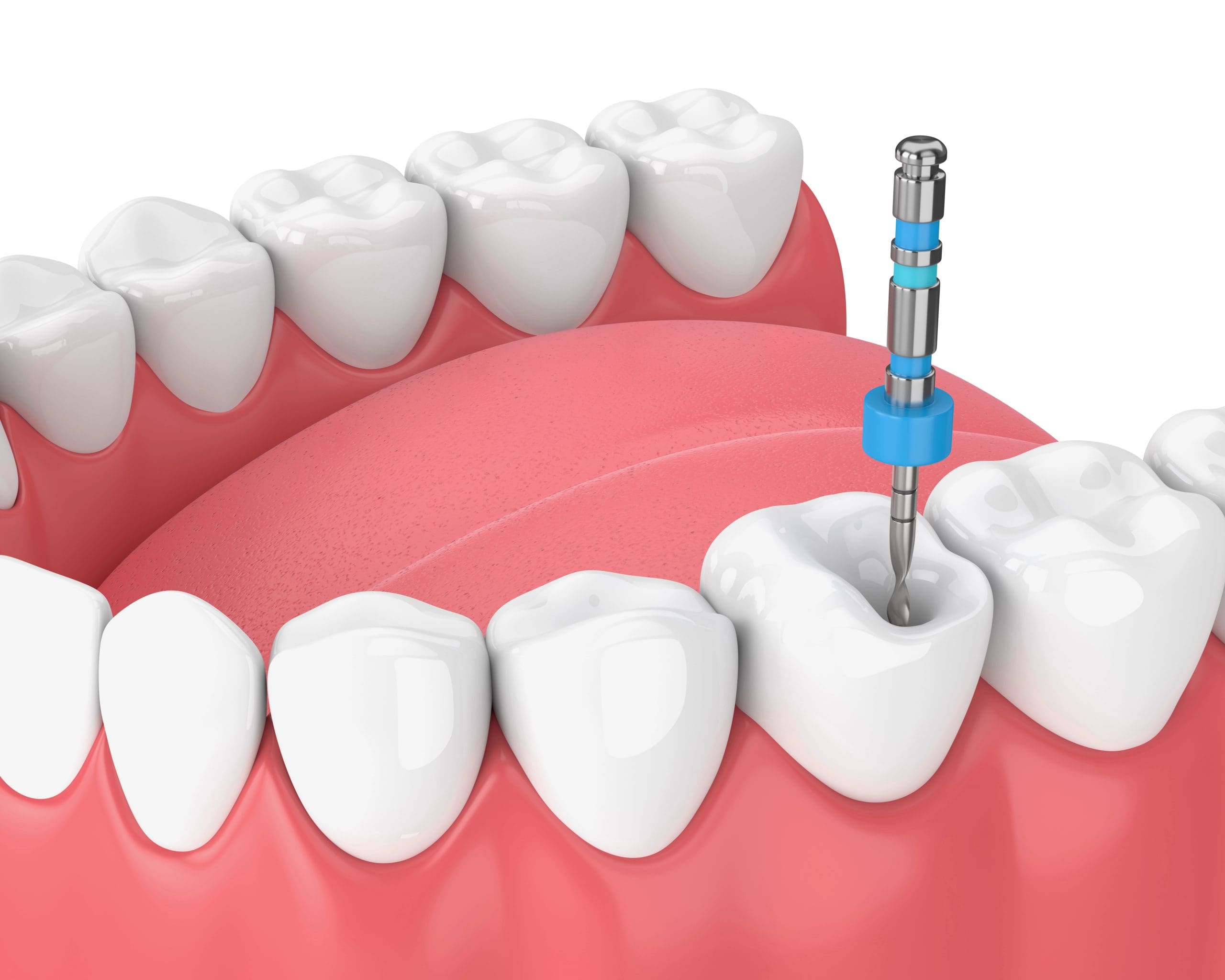
Can endodontic treatment without root canal be effective, and when do alternative therapies work? In certain cases, less invasive methods can address dental issues by focusing on preserving the tooth’s natural structure, offering a viable option for some patients. However, the success of these alternatives depends on the specific condition and individual patient factors.
Endodontic treatment without root canal
Understanding Endodontic Alternatives
Endodontic treatment without root canal is gaining attention as patients seek less invasive options for dental care. These alternatives focus on preserving the natural tooth structure while addressing the underlying issues that typically necessitate a root canal. By exploring these options, individuals can potentially avoid the discomfort and recovery time associated with traditional root canal procedures.
For those considering their options, it’s important to weigh the benefits and limitations of each alternative. Understanding the various approaches can help in making informed decisions about oral health. For more insights on choosing the right path, visit our guide on Endodontic Treatment vs Extraction: Making the Best Choice for Your Oral Health.
Biological Healing in Dentistry
Biological healing in dentistry is gaining attention as a viable approach for those seeking endodontic treatment without root canal procedures. This method focuses on harnessing the body’s natural ability to heal and regenerate dental tissues, potentially reducing the need for more invasive treatments. By understanding the biological processes involved in dental health, practitioners can explore alternative therapies that align with the body’s innate healing mechanisms.
As the field of dentistry evolves, there is a growing interest in how biological healing can complement traditional methods. This approach may offer a promising avenue for patients who prefer less invasive options while still addressing their dental health needs. For those interested in exploring these alternatives, Endodontic Care Yorba Linda provides insights into various treatment options available.
Pulp Regeneration Techniques
Pulp regeneration techniques are emerging as a promising area in endodontic treatment without root canal procedures. These innovative methods focus on revitalizing the dental pulp by stimulating the body’s natural healing processes, potentially allowing for the restoration of the tooth’s vitality. By harnessing the power of tissue engineering and regenerative medicine, these techniques aim to regenerate damaged pulp tissue, offering a potential alternative to traditional root canal treatments. As research continues to advance, pulp regeneration may become a viable option for those seeking endodontic treatment without root canal intervention.
Laser Therapy in Endodontics
Laser therapy in endodontics is emerging as a promising alternative for those seeking endodontic treatment without root canal procedures. This innovative approach utilizes laser technology to target and eliminate bacteria within the tooth, potentially preserving the natural structure and reducing the need for more invasive treatments. By focusing on precision and efficiency, laser therapy may offer a less invasive option for managing dental issues traditionally addressed by root canals. For those interested in exploring such alternatives, Dentique provides insights into these advancements, and you can learn more by visiting your Yorba Linda Dentist.
Ozone Therapy Applications
Ozone therapy is gaining attention as a potential option for endodontic treatment without root canal procedures. This alternative approach involves the application of ozone gas to disinfect and sterilize the affected area, aiming to eliminate bacteria and promote healing. By targeting the root cause of dental infections, ozone therapy may offer a less invasive solution for patients seeking endodontic treatment without root canal intervention.
Stem Cell Research in Dentistry
Stem cell research in dentistry is paving the way for innovative approaches to endodontic treatment without root canal procedures. By harnessing the regenerative potential of stem cells, researchers are exploring methods to naturally repair and regenerate dental tissues, potentially eliminating the need for traditional root canal treatments. This cutting-edge research focuses on the ability of stem cells to differentiate into various cell types, offering promising possibilities for restoring dental health and function in a more natural and less invasive manner.
Natural Healing Processes
In some cases, endodontic treatment without root canal can be supported by the body’s natural healing processes. The human body has an incredible ability to repair itself, and this can sometimes extend to dental health. When conditions are favorable, the immune system may help in reducing inflammation and promoting tissue regeneration around the affected tooth. This natural approach relies on the body’s inherent capacity to heal, potentially minimizing the need for more invasive procedures. However, it’s important to understand that the effectiveness of natural healing processes can vary greatly depending on individual circumstances.
Minimally Invasive Procedures
Endodontic treatment without root canal is gaining attention as minimally invasive procedures become more prevalent in dental care. These approaches focus on preserving as much of the natural tooth structure as possible while addressing dental issues effectively. By utilizing advanced techniques and technologies, these procedures aim to reduce discomfort and recovery time for patients. As the field of dentistry evolves, the emphasis on minimally invasive methods continues to grow, offering potential alternatives to traditional root canal treatments.
Advances in Dental Technology
In recent years, advances in dental technology have opened up new possibilities for endodontic treatment without root canal procedures. These innovations focus on preserving the natural tooth structure while addressing dental issues effectively. By utilizing cutting-edge diagnostic tools and minimally invasive techniques, dental professionals can now explore alternative therapies that may eliminate the need for traditional root canal treatments. This shift not only enhances patient comfort but also aligns with the growing demand for more holistic and conservative dental care approaches.
Conclusion
Exploring endodontic treatment without root canal can open doors to alternative therapies that may suit your needs; for more information, call (714) 786-8693 or read reviews on Google Maps.