16960 Bastanchury Rd Suite B, Yorba Linda, CA 92886, United States

(714) 986-1699

Dentique
  • About
    • Meet Our Doctor
    • Our Office
    • Blog
  • Services
    • General Dentistry
      • Dental Cleaning And Exams
      • Digital X-Rays
      • Tooth Fillings
      • Childrens Dental Cleanings
      • Dental Sealants
      • Fluoride Treatments for Children
      • Gum Disease Treatment
      • Oral Cancer Screening
      • Oral Examinations and Consultations
      • Pediatric Dentistry
      • Pediatric Dental Exams
      • Periodontal Surgery
      • Family Dentistry
    • Restorative Dentistry
      • Dental Crowns
      • Dental Implants
      • Dentures
      • Invisalign
      • Porcelain Inlays And Onlays
      • Bone Grafting
      • Dental Implant Surgery
      • Endodontic Retreatment
      • Root Canal Therapy
      • Root Canal Treatment
      • Scaling and Root Planing
      • Sleep Apnea Treatment
      • Space Maintainers
    • Cosmetic Dentistry
      • Dental Veneers
      • Teeth Whitening
      • Cosmetic Bonding
      • Dental Bridges
    • Emergency Dentistry
      • Tooth Extractions
      • Wisdom Teeth Removal
    • Nitrous Oxide Sedation
    • Snoring Appliances
    • TMJ Botox
    • TMJ Evaluation
    • TMJ Pain Management and Treatment
  • Financing
  • Contact
Book An Appointment
  • Dental Crowns: Boosting Oral Health

    Dental Crowns: Boosting Oral Health

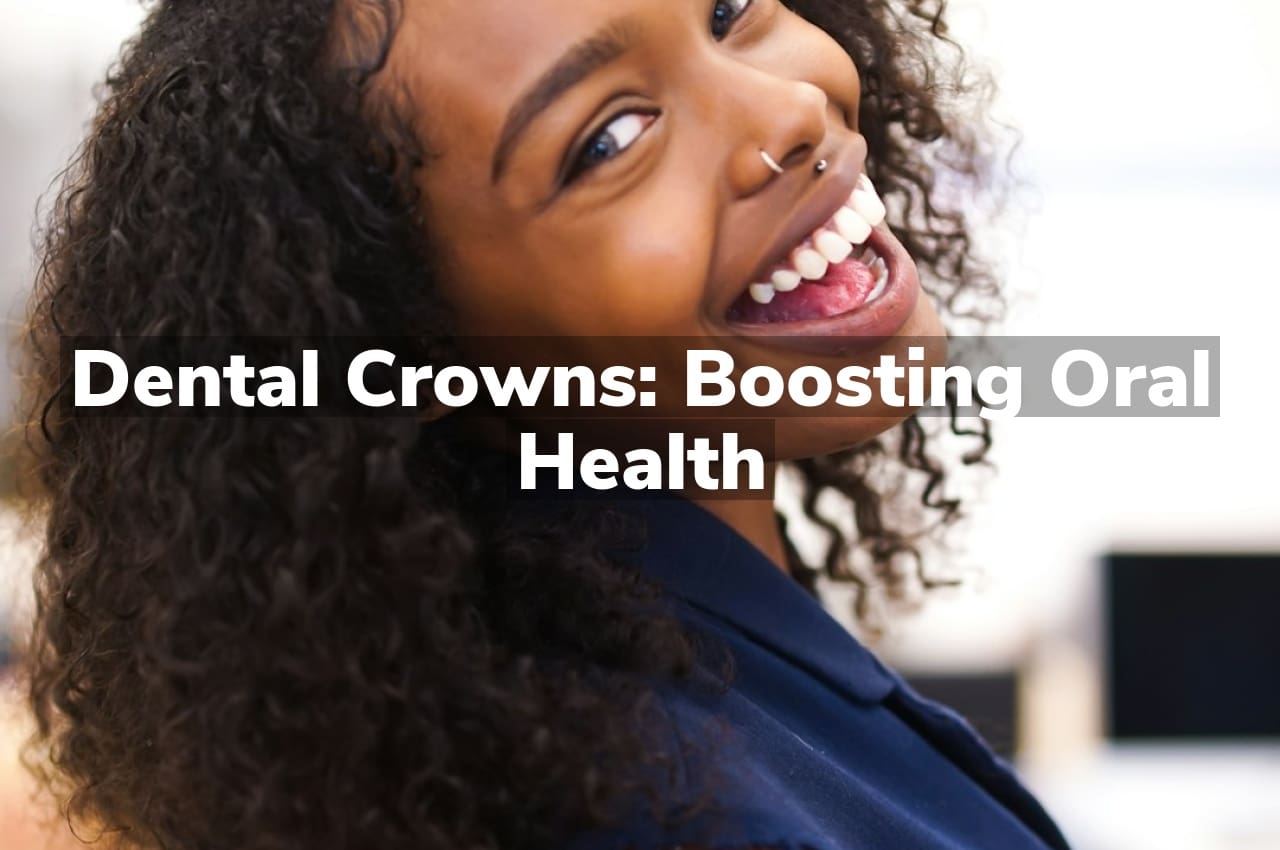
    Are you curious about how dental crowns can contribute to your oral health? Dental crowns are designed to protect, cover, and restore the shape of your teeth when fillings don’t solve the problem. They play a crucial role in enhancing the overall health and functionality of your mouth.

    Understanding Dental Crowns: Basic Overview

    Dental crowns are a common dental procedure that involves placing a cap over a damaged or decayed tooth. This cap is designed to restore the tooth’s shape, size, strength, and appearance. Crowns can be made from various materials, including porcelain, ceramic, metal, or a combination of these materials. They play a crucial role in enhancing oral health by protecting teeth from further damage and improving the overall functionality of one’s mouth.

    For individuals wondering about the right time to opt for this dental solution, the decision can vary based on several factors, including the extent of tooth decay, tooth damage, and personal dental health goals. A detailed discussion with a dental professional is essential for making an informed choice. For more insights, consider exploring When to Consider Getting a Dental Crown, which provides valuable information on identifying the need for a dental crown and its benefits for oral health.

    Types of Dental Crowns Available

    Dental crowns are a versatile solution used to address various dental issues, enhancing both the functionality and aesthetics of teeth. They come in different materials, each offering unique benefits. Porcelain or ceramic crowns are popular for their natural appearance, making them an excellent choice for front teeth restorations. Metal crowns, including gold and other alloys, are known for their durability and strength, often recommended for back teeth where the chewing force is greatest. There are also stainless steel crowns, typically used as a temporary measure on permanent teeth or as a long-term option for children’s teeth. Another option is the porcelain-fused-to-metal crowns, which provide a strong, durable structure with a more natural tooth color.

    For individuals looking for a balance between aesthetics and functionality, composite resin crowns offer a cost-effective solution. They can be easily shaped and polished to match the surrounding teeth but may not be as wear-resistant as porcelain or metal crowns. Each type of dental crown serves a specific purpose, depending on the patient’s needs, preferences, and the dentist’s recommendation. Understanding the types of dental crowns available can help individuals make informed decisions about their oral health care. For those considering this dental solution, exploring Affordable Dental Crowns in Yorba Linda might provide valuable insights into achieving a healthier, more confident smile.

    General Benefits of Dental Crowns

    Dental crowns are a widely recognized solution in the realm of oral health, offering a multitude of general benefits. Primarily, they serve to protect and restore the functionality of damaged teeth, effectively preventing further decay or injury. By encasing the entire visible portion of a tooth, dental crowns help in maintaining the structural integrity of one’s mouth, ensuring that both bite and alignment are preserved. Additionally, they play a significant role in enhancing the aesthetic appearance of teeth, contributing to an overall improvement in dental health and confidence. Their durability and versatility make them a valuable option for individuals looking to address a variety of dental concerns, thereby supporting not just the physical aspect of oral health but also impacting psychological well-being positively.

    The Process of Getting a Crown

    The journey towards enhancing your oral health with a dental crown begins with a consultation, where your dentist assesses the need for a crown. Following this, the tooth in question is prepared, which might involve reshaping to ensure a perfect fit for the crown. An impression of your tooth is then taken, serving as a model for the crown’s creation, which is typically done in a dental lab. While waiting for the permanent crown, a temporary one may be placed to protect the tooth. Once the custom-made crown is ready, it’s securely fitted and adjusted to ensure comfort and functionality. This process not only aims to restore the tooth’s strength and appearance but also plays a crucial role in maintaining overall oral health. For those in Yorba Linda seeking professional guidance, Yorba Linda Dentist at Dentique is ready to assist.

    Maintaining Oral Health with Crowns

    Dental crowns play a significant role in the realm of oral health, serving as a versatile solution for various dental issues. They are designed to encapsulate teeth that are damaged, decayed, or have undergone significant procedures, providing them with protection and enhancing their overall functionality. By covering the entire visible portion of a tooth, a crown effectively supports and strengthens the tooth structure, ensuring its longevity and maintaining the health of surrounding teeth and gums. This approach to dental care is crucial for preserving oral health, contributing to a balanced bite, and promoting a healthier mouth environment.

    Conclusion

    For further inquiries, feel free to call us at (657) 234-0430 or read our reviews on Google Maps.

    Kickstart

    April 15, 2024
  • When to Consider Getting a Dental Crown

    When to Consider Getting a Dental Crown

    Are you wondering when it might be time to consider getting a dental crown? This decision often arises when a tooth is damaged or decayed beyond what a simple filling can repair, or to protect and strengthen a tooth after significant dental work. Understanding the circumstances can help guide you in making an informed choice about your dental health.

    Signs of Tooth Decay

    Tooth decay is a common dental issue that can lead to the need for more significant dental interventions, such as dental crowns. Recognizing the early signs of tooth decay is crucial for maintaining oral health. Some of the most noticeable signs include persistent toothache, sensitivity to hot and cold foods or drinks, visible holes or pits in your teeth, and brown, black, or white staining on any surface of a tooth. When these symptoms are present, it’s essential to consider the health of your teeth and the potential need for dental procedures to restore their function and appearance.

    For those interested in understanding how dental crowns can be a solution to problems caused by tooth decay, exploring the topic further can provide valuable insights. Dental Crowns: Their Role in Dentistry offers an in-depth look at how crowns are used to cover and protect damaged teeth, restoring them to their original shape and function. This protective measure not only improves the appearance of teeth but also prevents further decay by sealing off the area from bacteria and decay-causing substances.

    After Root Canal Treatment

    Following a root canal treatment, many patients might wonder about the next steps in their dental care journey. A root canal procedure involves removing the infected or damaged pulp from inside a tooth, which can leave the tooth weakened and more susceptible to fracture. Because of this, dentists often suggest additional protection for the treated tooth to ensure its longevity and functionality. This is where the consideration for a dental crown comes into play. Dental crowns act as a cap for your tooth, providing it with strength, restoring its shape, size, and appearance, and protecting it from further damage.

    The decision to get a dental crown after a root canal treatment is significant for maintaining oral health and ensuring the durability of the tooth involved. Crowns are custom-made to fit over your tooth perfectly, offering a seamless and natural look. They are an essential step for many individuals in preserving the structural integrity of a tooth post-root canal, ensuring that patients can continue to enjoy a full range of dental functionality. For those looking into their options for a dental crown, seeking professional advice is crucial. If you’re considering this as your next step, Expert Dental Crown Installation, Yorba Linda can provide you with the information and services you need to make an informed decision.

    Cracked or Broken Teeth

    When it comes to dental health, cracked or broken teeth are common issues that many individuals face. These types of dental concerns can arise from a variety of causes, including accidents, biting down on hard objects, or even natural wear and tear over time. When the integrity of a tooth is compromised, it can lead to further dental problems if not addressed. In such cases, seeking professional advice is crucial to understand the available options for maintaining optimal dental health.

    Cosmetic Enhancement Needs

    When considering the aesthetics of your smile, dental crowns can play a significant role in enhancing the overall appearance of your teeth. Whether it’s improving the shape, color, alignment, or even the size of a tooth, crowns offer a versatile solution for various cosmetic concerns. They are particularly beneficial for individuals looking to restore their smile’s natural beauty or achieve a more uniform look. It’s essential to consult with a professional to understand how this option can meet your specific cosmetic enhancement needs. For those seeking expert advice, consider reaching out to Yorba Linda Dentist at Dentique for more information.

    Large Filling Replacement

    When a tooth has a large filling, there may come a time when considerations for its replacement are necessary. Large fillings, especially those that have been in place for many years, can sometimes fail or lead to further decay of the tooth structure surrounding them. In such cases, a dental crown might be considered as an option. A crown can provide a more comprehensive coverage and support to the tooth, helping to restore its function and appearance while also protecting it from further damage or decay. This is particularly relevant when the structural integrity of the tooth is compromised, making it difficult to support a new filling or when the aesthetic outcome is a significant concern.

    Conclusion

    For more insights, read reviews on Google Maps or call us at (657) 234-0430 to discuss your options.

    Kickstart

    April 15, 2024
  • Dental Crowns: Their Role in Dentistry

    Dental Crowns: Their Role in Dentistry

    Have you ever wondered what role dental crowns play in the field of dentistry? Dental crowns are crucial for restoring damaged teeth and enhancing the overall appearance of one’s smile. They serve as a protective cover, safeguarding a tooth from further damage while also improving its function and aesthetics.

    Types of Dental Crowns Available

    Dental crowns play a pivotal role in restorative dentistry, serving as a protective cover for damaged or decayed teeth. They are designed to restore the shape, size, and strength of a tooth, while also improving its appearance. The types of dental crowns available vary widely, catering to different needs and preferences. These include metal crowns, which are known for their durability; porcelain-fused-to-metal crowns that offer a balance between strength and aesthetics; all-ceramic or all-porcelain crowns, which provide the best natural color match; and resin crowns, which are less expensive but wear down over time.

    Choosing the right type of dental crown depends on various factors, including the tooth’s location, the amount of tooth that remains, the patient’s dental history, and aesthetic considerations. For those weighing the options between crowns and other cosmetic procedures, understanding the key differences can be crucial. An informative comparison can be found in the article Dental Crowns vs. Veneers: Differences Explained, which sheds light on the distinct benefits and applications of each treatment option. This decision is typically made in consultation with a dental professional, ensuring that patients receive the most suitable solution for their dental health needs.

    The Process of Getting a Crown

    The journey towards enhancing your smile with a dental crown begins with a consultation with your dentist, where they assess the need for a crown based on factors such as tooth decay, damage, or cosmetic concerns. Following this, the tooth in question is prepared, which may involve reshaping to ensure a proper fit for the crown. Impressions of the tooth are then taken, which serve as a model from which the crown will be crafted. This process involves precise dental technology and expertise to ensure the crown perfectly matches the size, shape, and color of your natural teeth. While the permanent crown is being made, a temporary crown is often placed to protect the tooth.

    After the custom-made crown is ready, the temporary one is removed, and the new crown is carefully fitted and adjusted to ensure a comfortable and secure fit. This final step marks the completion of the crown placement process, restoring not just the functionality but also the aesthetics of your smile. For those looking to explore their options for Quality Dental Crowns Near Yorba Linda, understanding this process can provide reassurance about the steps involved in achieving a healthier, more beautiful smile.

    Benefits of Dental Crowns

    Dental crowns play a pivotal role in the field of dentistry, offering a multitude of benefits for individuals looking to restore both the functionality and aesthetics of their teeth. These dental restorations are designed to encase a tooth that has been damaged or decayed, providing it with strength, protection, and an improved appearance. By covering the entire visible portion of the tooth above the gum line, dental crowns can help in preserving the structural integrity of weakened teeth, preventing further damage. Additionally, they are utilized in various dental procedures to support dental bridges, cover dental implants, or restore a tooth after a root canal therapy, making them an integral component of comprehensive dental care.

    Dental Crowns and Oral Health

    Dental crowns play a pivotal role in the realm of dentistry, serving as a fundamental component in maintaining and restoring oral health. These dental restorations are designed to encapsulate teeth that have been damaged, ensuring their functionality and appearance are preserved. By providing a protective shell, dental crowns aid in the reinforcement of weakened teeth, safeguarding them against further damage while also enhancing the overall aesthetics of one’s smile. Their application spans a variety of scenarios, from repairing teeth that have undergone significant decay to restoring ones that have been cracked, worn down, or otherwise compromised. The integration of dental crowns into dental care practices underscores their importance in achieving and sustaining optimal oral health. For those seeking exceptional dental care, consider visiting Yorba Linda Dentist at Dentique, where your oral health is our top priority.

    Longevity and Care of Dental Crowns

    Dental crowns play a pivotal role in the field of dentistry, serving as a protective cover for damaged or weakened teeth, and their longevity is a testament to their effectiveness. The lifespan of dental crowns largely depends on the material they are made from and how well they are cared for. Generally, with proper care, dental crowns can last for many years, contributing significantly to oral health and the functionality of teeth. The care of dental crowns involves routine practices that are integral to oral hygiene, underscoring their importance in maintaining dental health and ensuring the durability of these dental restorations.

    Conclusion

    For further information, feel free to call us at (657) 234-0430 or read our reviews on Google Maps.

    Kickstart

    April 15, 2024
  • Dental Crowns vs. Veneers: Differences Explained

    Dental Crowns vs. Veneers: Differences Explained

    Are you wondering about the key differences between dental crowns and veneers? While both options aim to improve the appearance and function of your teeth, crowns encase the entire tooth whereas veneers are thin covers that attach to the front surface of the teeth.

    Definition and Purpose

    Dental crowns and veneers are two types of dental restorations used to improve the appearance and functionality of teeth, but they serve different purposes and are applied in distinct ways. A dental crown is a cap that covers the entire tooth, restoring its shape, size, strength, and appearance. Crowns are typically used when a tooth is significantly damaged or decayed, providing a protective shell that encases the entire visible part of the tooth above the gum line. On the other hand, veneers are thin shells of porcelain or composite material that are bonded to the front surfaces of teeth. They are primarily used for cosmetic purposes, such as correcting the color, shape, size, or length of teeth, offering a solution for teeth that are discolored, worn down, chipped, or misaligned.

    While both dental crowns and veneers aim to improve dental health and aesthetics, their application, preparation process, and suitability for different dental issues vary significantly. Crowns encompass the entire tooth and require more extensive preparation, including the removal of a significant portion of the tooth structure. This makes them suitable for teeth that have undergone significant damage or decay. Veneers require less removal of the tooth surface and are mainly focused on enhancing the appearance of teeth. The choice between a dental crown and a veneer depends on the specific needs and goals of the patient, as well as the professional recommendation of a dentist. For those considering a more permanent solution to dental restoration, understanding the Lifespan and Durability of Dental Crowns can provide valuable insight into making an informed decision.

    Material and Durability

    When considering dental crowns and veneers, understanding the differences in material and durability is crucial. Dental crowns are typically made from porcelain, ceramic, metal, or a combination of these materials, offering a robust solution that covers the entire tooth. This comprehensive coverage is designed to restore the tooth’s shape, size, and strength, making crowns a durable option for teeth that have been significantly damaged or decayed. On the other hand, veneers are thin shells of porcelain or composite resin that are bonded to the front surfaces of the teeth. While they are also made from durable materials, veneers are primarily used for cosmetic improvements, offering a less invasive option to enhance the appearance of teeth that are discolored, chipped, or slightly misaligned.

    Both options come with their own set of advantages in terms of material choice and longevity. The decision between dental crowns and veneers largely depends on the specific dental needs and the desired outcome. For those looking to restore or enhance their smile while ensuring durability, consulting with a dental professional is essential. If you’re considering dental crowns, finding a reputable dentist is key to achieving the best results. For residents in Yorba Linda, visiting Top Dental Crown Dentists in Yorba Linda can provide you with the expert advice and treatment options tailored to your needs.

    Procedure and Application

    When considering dental crowns and veneers, understanding the procedure and application of each is crucial. Dental crowns encompass the entire tooth, requiring the dentist to reshape the original tooth to fit the crown over it, which is designed to look like a natural tooth. This process is generally used for teeth that are significantly damaged or decayed. On the other hand, veneers are thin shells that cover only the front surface of the teeth, requiring minimal alteration of the original tooth. They are typically applied to enhance the appearance of teeth by adjusting their color, shape, size, or length. Both procedures are conducted in a dental office and require professional assessment to determine the most suitable option based on the individual’s dental health and aesthetic goals.

    Aesthetic Outcomes

    When considering the aesthetic outcomes of dental crowns versus veneers, it’s essential to understand how each option can enhance the appearance of your smile. Dental crowns cover the entire tooth, offering a solution for teeth that are significantly damaged or decayed, and can be matched to the color of your natural teeth for a seamless look. Veneers, on the other hand, are thin shells that attach to the front surface of the teeth, ideal for correcting minor imperfections, such as chips, gaps, or discoloration. Both options are tailored to blend with your natural teeth, aiming to improve your smile while maintaining a natural appearance.

    For those exploring cosmetic dental options in Yorba Linda, Yorba Linda Dentist at Dentique can provide further insights.

    Maintenance Requirements

    When considering dental crowns and veneers, understanding the maintenance requirements for each is crucial for long-term oral health. Both options require a commitment to good oral hygiene practices, including regular brushing and flossing. However, the specifics of their care can vary due to the differences in their application and material composition. Regular dental check-ups are essential for both treatments to monitor their condition and ensure their longevity. It’s important to discuss with a dental professional how each option fits into your lifestyle and how you can best maintain your dental health following either procedure.

    Conclusion

    Understanding the differences between dental crowns and veneers can guide you in making informed decisions about your dental health. For more insights, call us at (657) 234-0430 or read our reviews on Google Maps.

    Kickstart

    April 15, 2024
  • Timeline of Teeth Cleaning Developments

    Timeline of Teeth Cleaning Developments

    Have you ever wondered how the practice of teeth cleaning has evolved over the years? From the use of twigs in ancient times to the advanced tools of today, the journey of dental hygiene has been marked by significant milestones and innovations, reflecting our ever-growing understanding of oral health.

    Ancient Civilizations’ Teeth Cleaning Methods

    The journey of dental hygiene practices dates back to ancient civilizations, where innovative methods were developed to maintain oral health. Long before the advent of modern dentistry, people from various cultures utilized natural resources to clean their teeth. For instance, twigs, feathers, animal bones, and even porcupine quills were among the tools employed for teeth cleaning purposes. These early dental tools signify the importance of oral hygiene that was recognized by our ancestors, highlighting their understanding of the connection between oral health and overall well-being.

    In addition to physical tools, ancient civilizations also experimented with different substances to create pastes and powders for teeth cleaning. Ingredients such as crushed bone, eggshells, ash, and herbs were mixed to form rudimentary tooth-cleaning concoctions. This historical perspective on teeth cleaning underscores the evolution of dental hygiene practices over millennia. While the methods and materials have significantly advanced, the fundamental goal of maintaining oral health remains unchanged. For those interested in how modern dentistry recommends maintaining oral health today, exploring the Ideal Schedule for Dental Check-Ups can provide valuable insights into contemporary dental care practices.

    Medieval Dental Hygiene Practices

    During the medieval period, dental hygiene practices were rudimentary yet intriguing, reflecting the era’s limited understanding of dental health. People primarily relied on natural remedies and simple tools to clean their teeth. Chew sticks, made from twigs of aromatic trees, were commonly used to rub against the teeth, serving both to clean them and freshen breath. Additionally, the use of cloth and water to wipe the teeth was a prevalent method for removing debris. Despite the lack of advanced dental knowledge, these practices underscore the innate human desire to maintain oral cleanliness and health.

    The concept of professional dental care as we know it today was virtually non-existent in medieval times. However, the evolution of dental hygiene practices over the centuries has led to the sophisticated dental care services available today. For those seeking modern dental care, including Dental cleaning and exams in Yorba Linda, contemporary dentistry offers a wide range of services to ensure optimal oral health.

    The Evolution of Toothbrush Materials

    The journey of toothbrush materials through history is a fascinating reflection of human innovation and adaptation. Initially, natural elements such as twigs, feathers, and animal bones were the primary materials used for oral hygiene. As civilizations advanced, the materials evolved to include more durable and effective options. The introduction of boar bristles in ancient China marked a significant development, paving the way for the use of plant-based fibers and eventually, synthetic materials in modern times. This evolution underscores the continuous quest for materials that are not only effective in maintaining oral health but also accessible and sustainable for people across different eras and cultures.

    The Introduction of Dental Floss

    The journey of dental hygiene has seen numerous advancements over the centuries, but one of the most significant milestones was the introduction of dental floss. This development revolutionized the way people could care for the spaces between their teeth, areas that brushes often miss. Dental floss provided a simple yet effective method for removing debris and plaque, contributing greatly to overall oral health. Its invention marked a pivotal moment in the timeline of teeth cleaning developments, emphasizing the importance of comprehensive dental care practices. For those looking to learn more about maintaining their oral health, a visit to Yorba Linda Dentist at Dentique could provide valuable insights.

    Modern Advances in Teeth Cleaning Tech

    In recent years, the field of dental hygiene has witnessed significant technological advancements aimed at enhancing the effectiveness and efficiency of teeth cleaning. These modern developments have revolutionized the way dental professionals approach oral care, incorporating cutting-edge tools and techniques that leverage the latest in digital technology and materials science. From innovations that provide more precise cleaning to those that offer a gentler, more comfortable experience for patients, the landscape of teeth cleaning technology continues to evolve. This progress not only improves the outcomes of dental treatments but also contributes to the overall improvement of oral health standards globally.

    Conclusion

    From ancient times to the modern era, the journey of teeth cleaning has been fascinating. For more insights, read reviews on Google Maps. Interested in discussing further? Call us at (657) 234-0430.

    Kickstart

    April 2, 2024
  • Ideal Schedule for Dental Check-Ups

    Ideal Schedule for Dental Check-Ups

    How often should you really schedule dental check-ups to maintain optimal oral health? The ideal frequency can vary depending on individual health needs and lifestyle factors. Generally, visiting a dental professional for a check-up and cleaning twice a year is a common practice for many people.

    Importance of Regular Dental Visits

    Maintaining a consistent schedule for dental check-ups is crucial for ensuring overall oral health. Regular visits to the dentist play a significant role in the early detection and prevention of potential dental issues such as cavities, gum disease, and even oral cancer. These appointments are not just about cleaning; they are an opportunity for dental professionals to assess the health of your mouth comprehensively. During these visits, dentists can identify problems that might be invisible or not yet cause discomfort, making early intervention possible.

    For children, establishing a routine for dental check-ups is equally important. Early experiences with dental care can set the foundation for a lifetime of healthy oral habits. An engaging way to introduce young ones to the importance of dental health is through stories or experiences that resonate with them, such as Kids’ Initial Teeth Cleaning Adventures. These narratives can help demystify the process for children, making them more comfortable and less anxious about visiting the dentist. Regular dental visits, therefore, are not just about maintaining oral health but also about fostering a positive attitude towards dental care from a young age.

    Understanding Dental Check-Up Frequency

    Understanding the ideal frequency for dental check-ups is crucial for maintaining oral health. Generally, it is recommended that individuals visit their dentist regularly, but the exact interval can vary based on personal dental health needs. These visits are essential for early detection of potential issues, ensuring that minor problems don’t escalate into major concerns. Regular check-ups allow dental professionals to perform thorough cleanings and examinations, which are key components in preventing dental diseases and maintaining overall oral hygiene.

    The frequency of dental visits can be influenced by various factors including age, oral health status, and risk factors for dental diseases. It’s important for individuals to consult with their dental care providers to determine the most appropriate schedule for their specific needs. Regular dental check-ups are a fundamental part of oral health care, aiming to keep your teeth and gums healthy. If you’re looking to maintain your oral health, consider scheduling a visit for a professional cleaning. Get your teeth cleaned in Yorba Linda.

    Identifying Common Dental Issues Early

    Early identification of common dental issues is crucial in maintaining optimal oral health. Regular dental check-ups play a pivotal role in detecting problems such as cavities, gum disease, and early signs of oral cancer before they escalate into more serious conditions. These appointments allow professionals to conduct thorough examinations and use diagnostic tools to uncover any underlying issues that might not yet be visible or causing discomfort. By ensuring these problems are identified early, individuals can maintain their oral health more effectively, preventing the progression of conditions that could otherwise lead to more complex dental concerns.

    Role of Dental Check-Ups in Health

    Regular dental check-ups play a crucial role in maintaining overall health. These visits are not just about cleaning teeth or checking for cavities; they are an essential part of preventive health care. During a dental check-up, dentists can detect early signs of problems not just in your mouth but also indicators of general health issues. Conditions such as diabetes, heart disease, and certain types of cancer can manifest symptoms in your oral health. Thus, keeping up with your dental appointments is a proactive way to ensure your health is monitored closely from all angles. For those in the Yorba Linda area seeking a reliable dental care provider, consider visiting Yorba Linda Dentist at Dentique.

    Preparing for a Routine Dental Visit

    When it comes to maintaining optimal oral health, scheduling and preparing for routine dental check-ups is essential. These visits are a fundamental part of dental care, aimed at identifying any potential issues early on and ensuring your teeth and gums remain in the best possible condition. During a routine dental visit, a thorough examination of your oral health is conducted, which may include cleaning, to help keep your teeth and gums healthy. Preparing for these visits involves ensuring you have them regularly scheduled and being ready to discuss any changes in your oral health with your dental professional.

    Conclusion

    Maintaining your dental health is crucial, so don’t hesitate to schedule your next check-up. For more information, call us at (657) 234-0430 or read our reviews on Google Maps.
    Kickstart

    April 2, 2024
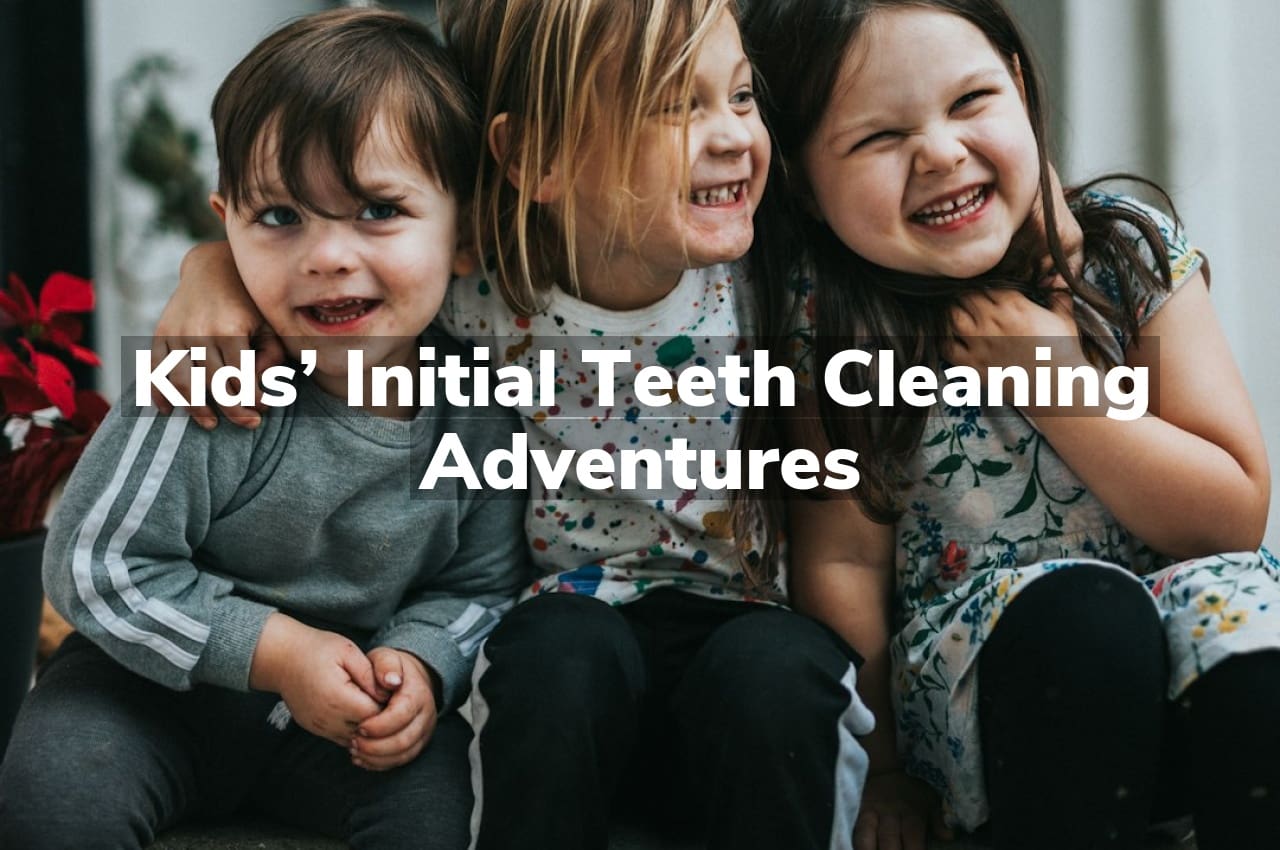
  • Kids’ Initial Teeth Cleaning Adventures

    Kids’ Initial Teeth Cleaning Adventures

    Have you ever wondered what makes kids’ initial teeth cleaning adventures so memorable? It’s a journey filled with curiosity and discovery, as they learn the importance of dental hygiene in a fun and engaging way. This exploration not only introduces them to new routines but also helps in building healthy habits for a lifetime.

    The Importance of Regular Teeth Cleaning

    Embarking on the journey of maintaining oral hygiene from a young age is crucial for ensuring a lifetime of healthy teeth and gums. Regular teeth cleaning, especially for kids, plays a pivotal role in preventing the buildup of plaque and tartar, which are the primary culprits behind cavities and gum disease. It’s not just about keeping the teeth looking bright; it’s about setting a foundation for strong oral health practices that can significantly impact overall well-being.

    Understanding the myths and facts surrounding teeth cleaning can be a game-changer in how we approach oral hygiene. A resource like Unraveling Myths on Teeth Cleanings can shed light on common misconceptions and reinforce the importance of regular dental visits. These cleanings are not just about aesthetics; they are a preventive measure that helps in identifying potential issues early on, ensuring that kids’ initial teeth cleaning adventures set them on the path to a healthy oral hygiene routine.

    What Happens During a Teeth Cleaning?

    A child’s first teeth cleaning adventure can be filled with curiosity and wonder. During a teeth cleaning session, the dental professional gently examines the child’s mouth to ensure everything is developing as it should. They use specialized tools to carefully remove any plaque or tartar buildup on the teeth, which are common culprits of cavities and gum disease. This process is crucial for maintaining oral health and preventing future dental issues. The dental hygienist also polishes the teeth, leaving them feeling smooth and clean. This visit often includes a fluoride treatment, which strengthens the teeth and helps protect them against decay. The entire process is conducted with the child’s comfort and safety in mind, ensuring a positive and educational experience.

    For those seeking Professional dental cleaning and exams near Yorba Linda, it’s essential to choose a provider that understands the importance of a child’s first dental cleaning experience.

    Fun Facts About Baby Teeth

    Baby teeth, also known as primary teeth, play a crucial role in a child’s development, serving as placeholders for adult teeth and aiding in speech and nutrition. Interestingly, the formation of baby teeth begins while the baby is still in the womb, with the first tooth typically making its appearance when a child is between 6 months to a year old. By the age of 3, most children will have a full set of 20 baby teeth. These teeth are not just smaller versions of adult teeth; they are whiter and more delicate, making them an essential part of early childhood growth. Despite their temporary nature, baby teeth set the stage for a lifetime of oral health, highlighting the importance of their care and maintenance.

    Overcoming Fear of the Dentist

    The journey to maintaining oral health begins early in life, and for many children, their initial teeth cleaning can be an adventure filled with apprehension and fear of the unknown. The dentist’s office, with its unfamiliar sounds and sights, can seem daunting to young minds. However, overcoming this fear is a crucial step towards ensuring lifelong dental health. It’s a process that unfolds differently for each child, as they learn to navigate new experiences with curiosity and resilience. For families in our community, Yorba Linda Dentist at Dentique is known for creating a welcoming and gentle environment for children embarking on their dental health journey.

    Celebrating Your Child’s First Cleaning Visit

    The milestone of a child’s first teeth cleaning visit is a significant one, marking the beginning of a lifelong journey towards maintaining oral health. This occasion is not just about ensuring their teeth are clean, but it’s also a celebration of a new chapter in their development. It’s a moment that can help instill the importance of dental hygiene from an early age, setting the foundation for healthy habits that can last a lifetime. Celebrating this event can be a joyful experience for both the child and their family, acknowledging the growth and the steps taken towards taking care of one’s health.

    Conclusion

    Embarking on the journey of initial teeth cleaning adventures is a milestone for every child. For more insights, read reviews on Google Maps. Ready to learn more? Call us at (657) 234-0430.

    Kickstart

    April 2, 2024
  • Unraveling Myths on Teeth Cleanings

    Unraveling Myths on Teeth Cleanings

    Have you ever wondered what truths and falsehoods lie behind the common perceptions of teeth cleanings? This post aims to demystify the process, separating fact from fiction and providing a clearer understanding of what teeth cleanings involve without delving into specifics or advocating for any particular approach.

    Common Misconceptions About Teeth Cleanings

    Teeth cleanings are often surrounded by myths and misconceptions that can deter individuals from seeking regular dental care. One prevalent myth is the belief that teeth cleanings can weaken the teeth by stripping away the enamel. This misconception stems from a misunderstanding of the cleaning process, which, when performed by professionals, is designed to remove plaque and tartar without harming the enamel. Another common fallacy is the idea that teeth cleanings are unnecessary if one maintains good oral hygiene at home. While regular brushing and flossing are crucial, they cannot replace the thorough cleaning provided by dental professionals, who use specialized tools and techniques to clean areas that are often missed by regular home care.

    Moreover, some people believe that teeth cleanings are painful and should be avoided unless absolutely necessary. This fear can be attributed to past experiences or stories from others, but with the Advancements in Teeth Examination Methods, discomfort during cleanings has significantly reduced. Modern dental technology and techniques ensure that teeth cleanings are more comfortable and efficient than ever before. Dispelling these myths is essential in encouraging more individuals to prioritize their dental health and seek regular cleanings, which are vital for maintaining overall oral health.

    Debunking Pain Myths in Cleanings

    One of the most pervasive myths surrounding dental cleanings is the expectation of pain during the procedure. This misconception often stems from anecdotal experiences or outdated information about dental practices. Modern dental techniques and technologies have significantly evolved, focusing on patient comfort and minimizing discomfort. The idea that teeth cleanings are inherently painful is a myth that needs dispelling. Dental professionals are trained to ensure that cleanings are as comfortable as possible, using gentle techniques and communicating with patients throughout the process to address any discomfort.

    Understanding the truth about dental cleanings can alleviate unnecessary anxiety and encourage more people to prioritize their oral health. Regular cleanings are crucial for maintaining healthy teeth and gums, and the fear of pain should not deter anyone from seeking professional care. For those looking to learn more about what to expect during a dental cleaning, exploring reputable dental services can provide valuable insights. For instance, Yorba Linda dental cleaning and exam services offer a comprehensive overview of the process, emphasizing patient comfort and care.

    Frequency Myths of Dental Visits

    When it comes to maintaining oral health, the frequency of dental visits is often surrounded by myths and misconceptions. Many people believe that visiting a dentist only when experiencing pain or discomfort is sufficient for maintaining dental health. However, this belief overlooks the importance of regular check-ups and cleanings in preventing dental issues before they arise. Another common myth is that yearly visits are enough for everyone, disregarding individual needs and conditions that may require more frequent attention. These myths can lead to the neglect of oral health, emphasizing the need for a better understanding of the importance of regular dental visits tailored to each person’s unique dental health requirements.

    Teeth Cleaning and Gum Health Myths

    There are numerous myths surrounding teeth cleaning and gum health that can often lead to confusion about proper oral care. One common misconception is that teeth cleaning can weaken your teeth, which is entirely unfounded. Professional cleanings remove plaque and tartar that brushing alone can’t tackle, thereby strengthening your oral health. Another myth is that bleeding gums during brushing are normal and not a cause for concern. However, this can actually be a sign of gum disease and should not be ignored. Understanding the truth behind these myths is crucial for maintaining a healthy mouth. For those looking to ensure their oral health is on the right track, consulting with a professional, such as a Yorba Linda Dentist, is always a wise decision.

    Myths Surrounding Children’s Teeth Cleanings

    There are numerous myths that cloud the understanding of teeth cleanings, especially when it comes to children. A common misconception is that baby teeth, due to their temporary nature, do not require professional cleanings. This myth overlooks the critical role that baby teeth play in a child’s oral health and development. Another widespread belief is that children’s teeth cleanings are distressing and should be avoided to spare them from fear. However, this notion fails to consider the gentle techniques used by professionals to ensure a comfortable experience. Debunking these myths is essential for fostering a well-informed approach to children’s dental care and emphasizing the importance of regular teeth cleanings from an early age.

    Conclusion

    Unraveling myths about teeth cleanings is crucial for informed dental care decisions. For further inquiries, call us at (657) 234-0430 or read our reviews on Google Maps.

    Kickstart

    April 2, 2024
  • Advancements in Teeth Examination Methods

    Advancements in Teeth Examination Methods

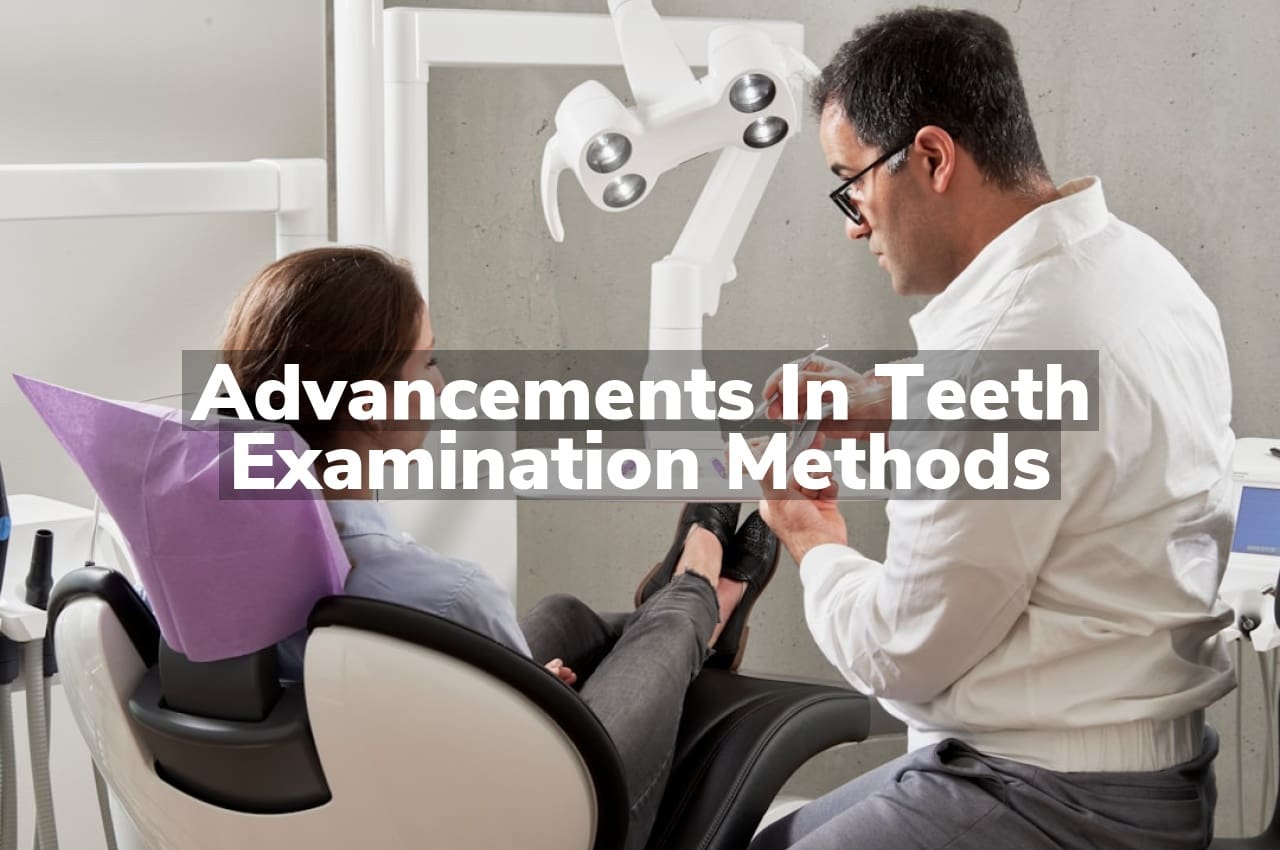
    Have you ever wondered how advancements in teeth examination methods are revolutionizing dental care? These cutting-edge techniques are enhancing the accuracy of diagnoses and enabling dentists to provide more effective treatments, ensuring patients receive the best possible care for their oral health.

    Evolution of Digital Dental Imaging

    The landscape of dental care has undergone significant transformations over the years, with the evolution of digital dental imaging standing out as a pivotal advancement. This technology has revolutionized the way dental professionals examine teeth, offering a clearer, more detailed view of dental structures than ever before. Unlike traditional X-ray methods, digital imaging provides instant results, reducing the waiting time for diagnosis and treatment planning. This leap in dental technology not only enhances the accuracy of diagnoses but also improves the overall patient experience by making dental examinations quicker and more comfortable.

    Incorporating digital imaging into dental practices has also paved the way for more advanced dental treatments and procedures. As dental professionals gain a better understanding of the intricacies of dental anatomy through enhanced imaging, the scope for precise treatments expands. This progress in dental examination methods complements other dental tools and techniques, further enriching the field of dentistry. For those interested in the broader spectrum of dental tools, Exploring Teeth Cleaning Instruments offers insights into how various instruments are used in conjunction with digital imaging to provide comprehensive dental care.

    Innovations in Laser Cavity Detection

    The landscape of dental health and examination has been significantly transformed with the advent of laser technology, particularly in the realm of cavity detection. This innovative approach has revolutionized the way dental professionals identify and assess cavities, offering a more precise and less invasive method compared to traditional techniques. By utilizing specific wavelengths of light, laser cavity detection can accurately pinpoint areas of tooth decay that might not be visible to the naked eye or even on conventional X-rays. This advancement not only enhances the accuracy of diagnoses but also contributes to more effective treatment planning, ensuring that patients receive the most appropriate care for their dental health.

    The integration of laser technology into dental examinations underscores the industry’s commitment to adopting cutting-edge methods for the benefit of patient care. As dental practices continue to evolve with these technological advancements, patients now have access to more efficient and less discomforting examination processes. For those seeking to maintain their oral health with the latest in dental examination technology, affordable dental cleaning and exams in Yorba Linda are available, incorporating these innovative techniques to ensure comprehensive care.

    Advances in 3D Printing for Dentistry

    The realm of dentistry has witnessed a significant transformation with the advent of 3D printing technology. This innovative approach has revolutionized the way dental professionals conduct teeth examinations and create dental appliances. By utilizing 3D printing, dentists can now produce highly accurate and customized dental models, crowns, bridges, and even orthodontic devices with unprecedented speed and precision. This advancement not only enhances the efficiency of dental procedures but also improves patient outcomes by ensuring a better fit and more natural-looking dental solutions. The integration of 3D printing into dentistry marks a pivotal step forward in dental technology, offering a glimpse into the future of dental care.

    Improvements in Saliva-Based Diagnostics

    The landscape of dental health assessments is witnessing a significant transformation with the advancements in saliva-based diagnostics. This innovative approach leverages the diagnostic potential of saliva to detect a wide range of dental health issues, from early signs of gum disease to oral cancer markers. The method stands out for its non-invasive nature, offering a more comfortable experience for patients while providing dentists with critical insights into oral health conditions. As research and technology continue to evolve, saliva-based diagnostics are becoming an increasingly important tool in the arsenal of dental health professionals, enabling more accurate, early detection of dental health issues. For those seeking cutting-edge dental care, Yorba Linda Dentist at Dentique is at the forefront of incorporating these advancements into their practice.

    Integration of AI in Dental Assessments

    The integration of Artificial Intelligence (AI) in dental assessments marks a significant advancement in the field of dentistry, revolutionizing the way teeth examinations are conducted. AI technology has the capability to analyze dental images with high precision, identifying issues that might not be immediately apparent to the human eye. This innovative approach not only enhances the accuracy of diagnoses but also streamlines the examination process, allowing for more efficient patient care. As AI continues to evolve, its application in dental assessments promises to further improve the effectiveness of dental treatments and patient outcomes.

    Conclusion

    Exploring the latest advancements in teeth examination methods reveals the continuous evolution of dental care. For further inquiries, call us at (657) 234-0430 or read our reviews on Google Maps.
    Kickstart

    April 2, 2024
←Previous Page Next Page→

Dentique

Proudly making smiles brighter in the Yorba Linda area.

Book An Appointment

Contact

16960 Bastanchury Rd Suite B, Yorba Linda, CA 92886, United States

(714) 986-1699

Services

  • Cosmetic Dentistry

  • General Dentistry

  • Restorative Dentistry

Hours

Monday: Closed
Tuesday: 9 AM–5 PM
Wednesday: Closed
Thursday: 11 AM–7 PM
Friday: 9 AM–5 PM
Saturday: 8 AM–2 PM
Sunday: Closed

© 2026 Dentique. Website managed by DDS MediaPro.